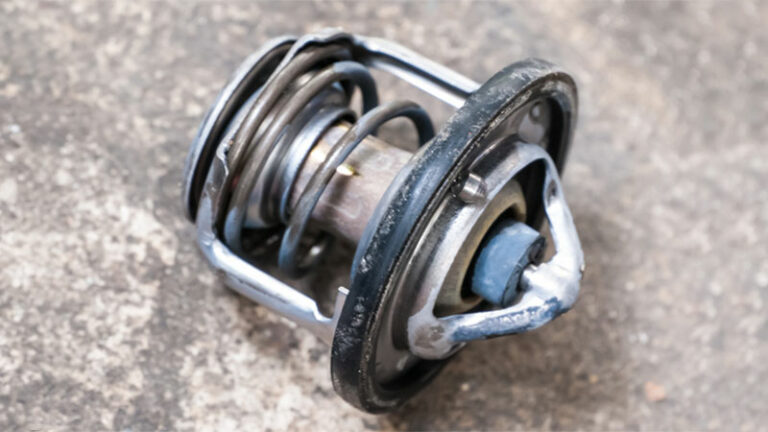
When your car’s thermostat begins to fail, it quickly becomes a ticking time bomb for your engine. This crucial component regulates your vehicle’s temperature by controlling the flow of coolant. A malfunctioning thermostat can lead to overheating or an engine that struggles to reach its ideal operating temperature, adversely affecting performance and fuel economy.
Recognizing the early signs of a failing thermostat is paramount for avoiding costly repairs. Ignoring these symptoms can transform a minor issue into a catastrophic engine failure. Here are five significant indicators that your thermostat may be in dire need of replacement.
The Importance of a Car Thermostat
Your car’s thermostat serves as a crucial valve, meticulously opening and closing to maintain optimal engine temperature. This regulation is vital not just for ensuring efficient combustion and keeping emissions in check, but also for prolonging the life of your engine components.
Symptoms of a Bad Car Thermostat
1. Erratic Engine Temperature Gauge
A fluctuating temperature gauge is often the most glaring warning sign. If the gauge needle spikes into the red zone or drops suddenly after being stable, it indicates that your thermostat might be stuck either open or closed. This serious malfunction disrupts the effective flow of coolant.
2. Persistent Overheating
Constant overheating is a major red flag. If your car overheats even after topping off coolant, a defective thermostat could be the culprit. When stuck closed, it halts coolant circulation through the radiator, causing temperatures to soar dangerously. This situation can wreak havoc on your engine if urgent action isn’t taken. For in-depth car maintenance tips, check out The Ultimate Guide to Car Maintenance.
3. Coolant Leaks
Although coolant leaks can arise from various sources, a failing thermostat housing may also contribute to the issue. Over time, the seal surrounding the thermostat can degrade, resulting in puddles or drips of coolant beneath your vehicle. Regular leak checks should be part of your routine maintenance.
4. Ineffective Heater Performance
Your vehicle’s heater depends on hot coolant from the engine. If the thermostat remains stuck open, your engine may struggle to heat up adequately, leading to insufficient warm air in the cabin. This lack of heat can be particularly uncomfortable during cold-weather drives.
5. The Distinct Smell of Hot Antifreeze
If you detect a strong odor of hot or burning antifreeze, it could indicate an overheating issue tied to a malfunctioning thermostat. This smell typically arises when coolant leaks or boils over due to inadequate circulation. Addressing signs of overheating swiftly is crucial to prevent extensive damage, much like maintaining your tires for safety – learn more in Top-Rated All-Season Tires for SUVs: Performance and Longevity Guide.
How to Diagnose a Bad Thermostat
A simple DIY check involves feeling the upper radiator hose. If your engine is overheating but the hose feels cool, the thermostat is likely stuck closed. Conversely, if the engine remains cool while the hose is hot, it might be stuck open. For the most accurate diagnosis, seeking professional help is recommended.
Understanding Thermostat Replacement Costs
The cost for replacing a thermostat typically ranges from $150 to $300, influenced by your vehicle’s make and model and regional labor rates. While the part itself is relatively inexpensive, labor costs can vary significantly based on access challenges. For further insights into repair costs, consider reading about Car Bumper Repair Costs: DIY vs. Professional Shop Estimates.
Frequently Asked Questions (FAQ)
How long does a car thermostat usually last?
A car thermostat generally lasts between 5 to 10 years or around 100,000 miles, though its lifespan may vary based on maintenance and driving conditions.
Is it safe to drive my car with a bad thermostat?
Driving with a suspected bad thermostat is not advisable, especially if it’s causing overheating. Continuing to drive can lead to severe and costly engine damage.
What occurs if the thermostat is stuck open?
If the thermostat is stuck open, your engine will take an extended time to reach its optimal temperature, resulting in poor fuel efficiency and diminished heater performance.
What happens if the thermostat is stuck closed?
A closed thermostat prevents coolant from reaching the radiator, causing the engine to overheat rapidly. This scenario can lead to significant and costly damage to engine components.
Should I change the thermostat and water pump together?
It is often recommended to replace the thermostat while changing the water pump, as both components are part of the cooling system and tend to have similar lifespans, potentially saving you on labor costs.
Related Articles
- Tesla Model 3 vs. Model Y: Which Electric Car is Cheaper to Insure?
- Reliability Showdown: Toyota Camry vs. Honda Accord Long-Term Ownership
- Rough Ride Ahead? Key Signs Your Car’s Shock Absorbers Need Replacing