Servicing antique vehicle brake systems requires a meticulous approach focused on preserving original specifications while ensuring safety through period-accurate components and fluids. In addition to the functional necessities of brake maintenance, enthusiasts must also understand the historical context and technical specifications that characterize antique vehicle brake systems.
The importance of original components cannot be overstated; maintaining these parts ensures both the safety and integrity of the vehicle, along with optimizing its resale value. A well-maintained brake system increases driving safety significantly, highlighting the necessity of appropriate upkeep to prevent potentially catastrophic brake failure.
What Distinguishes Antique Brake Systems from Modern Ones?
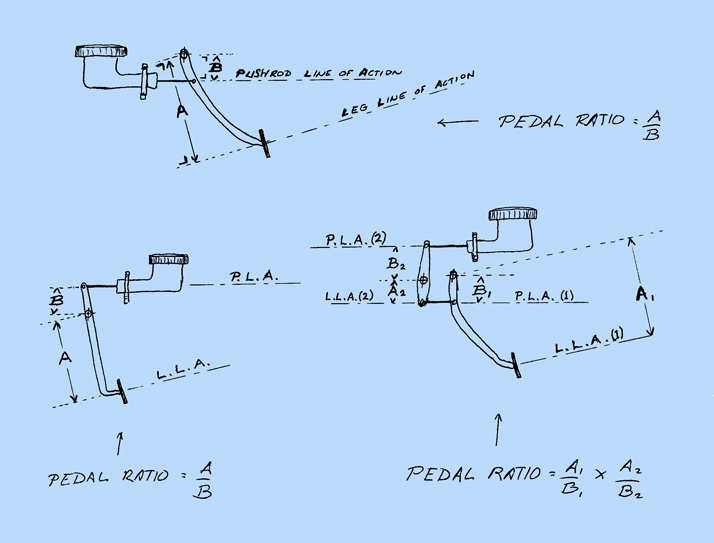
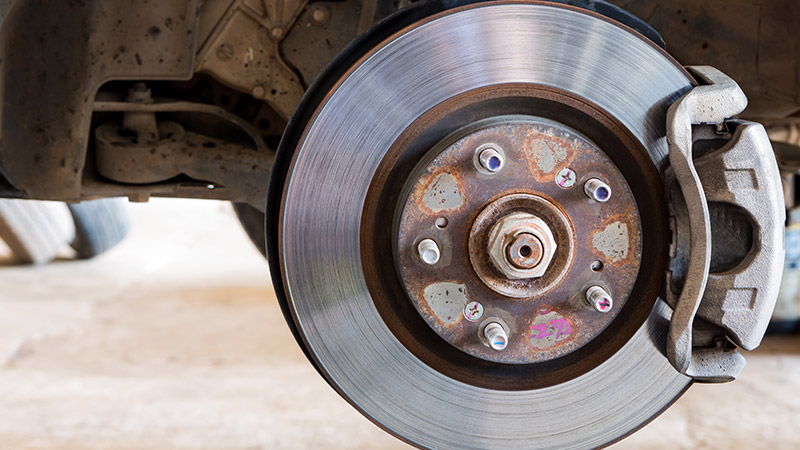
Antique vehicle brake systems often feature single-circuit designs, which starkly contrast with the dual-circuit systems mandated for modern vehicles to provide redundancy and enhance safety during a brake failure scenario. While modern systems efficiently convert kinetic energy into thermal energy via both disc and drum brakes, older systems primarily relied on traditional drum brake designs with limited hydraulic force transmission capabilities. Understanding how brakes function fundamentally is key, but the nuances of older designs are critical for successful preservation and maintenance.
How Does Brake Fluid Compatibility Impact Older Brake Systems?
The interaction between brake fluid and the elastomers used in seals and hoses is paramount, especially in antique systems where material formulations may differ significantly from contemporary standards. Incompatible fluid-material interactions can lead to severe system degradation and potential brake failure due to chemical incompatibility. Older vehicles, particularly those manufactured before the widespread adoption of synthetic fluids, may have utilized natural rubber compounds that react distinctively to modern DOT 3 or DOT 4 fluids.
What are the Specific Fluid Compatibility Concerns for Antique Brakes?
Older brake systems, often utilizing natural rubber for seals and hoses, are highly susceptible to degradation from glycol-based brake fluids like DOT 3 and DOT 4. These fluids can cause swelling or deterioration of older rubber compounds, leading to leaks and reduced braking effectiveness. In contrast, silicone-based DOT 5 fluids, while offering a higher boiling point, are not compatible with systems designed for glycol-based fluids and can result in irreparable damage if inadvertently mixed. Maintaining the fluid’s integrity is crucial because the brake fluid acts as a non-compressible medium that transmits hydraulic force from the brake pedal to the wheel cylinders.
What are the Typical Operating Parameters for Antique Brake Systems?
Antique vehicle brake systems, while converting kinetic energy into thermal energy to halt the vehicle, operated within different nominal pressure ranges and temperature tolerances compared to modern vehicles. For example, a common nominal hydraulic pressure in older systems could range from 800 to 1200 PSI, whereas modern dual-circuit systems often operate at higher pressures, sometimes exceeding 1500 PSI. Understanding these parameters is crucial for maintenance and repair.
The boiling point of brake fluid is also a critical factor; for instance, DOT 3 fluids have a dry boiling point of at least 205°C (401°F) and a wet boiling point of at least 140°C (284°F). In comparison, DOT 4 fluids elevate these values to 230°C (446°F) dry and 155°C (311°F) wet, enhancing performance under extreme conditions. Meanwhile, DOT 5 silicone-based fluids offer a significantly higher dry boiling point of at least 260°C (500°F) but exhibit a lower wet boiling point of 180°C (356°F), which may make them less suitable for vintage applications not specifically engineered to accommodate them.
How Do Different Brake Fluid Standards Affect Performance in Vintage Cars?
Choosing the correct brake fluid directly impacts the performance and longevity of antique brake systems. Historically, vehicles might have used mineral-oil-based fluids or early iterations of glycol-based fluids. The contemporary DOT 3 and DOT 4 fluids, both glycol-ether based, are generally suitable for systems initially designed for them or their direct predecessors, as long as compatibility with the original elastomer types is assured. Additionally, DOT 5 silicone fluid features distinct chemistry and necessitates a completely different compatibility approach with system materials, typically found in specialized restorations or custom builds. Utilizing the wrong fluid type—like putting in a glycol-based fluid into a system meant for silicone—can lead to catastrophic failures due to seal degradation.
What are the Historical Specifications of Antique Brake Components?
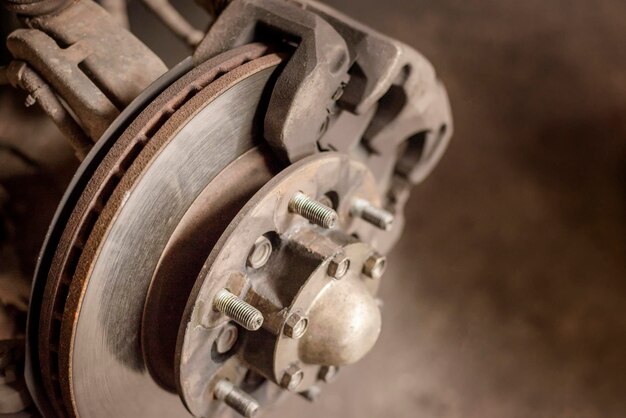
Older brake systems relied on durable components such as cast iron brake drums and single-piston wheel cylinders, unlike modern vehicles that utilize multi-piston calipers and intricate rotor assemblies. For example, a standard master cylinder bore size for a single-circuit system in a 1950s American sedan might measure 1 inch (25.4 mm), designed to displace a specific volume of fluid to actuate wheel cylinders with bore sizes typically ranging from 3/4 inch (19.05 mm) to 1 inch (25.4 mm), depending on the vehicle’s weight and intended application.
| Feature | Antique System (Example: 1960s American Sedan) | Modern System (Example: 2020s Sedan) | Contemporary Performance Classic (Restored/Modified) |
|---|---|---|---|
| Circuit Design | Single-circuit (e.g., 1965 Ford Mustang) | Dual-circuit, diagonally split (e.g., 2023 Toyota Camry) | Dual-circuit, potentially with ABS |
| Brake Fluid Type (Original) | DOT 3 Glycol-based (or earlier equivalent) | DOT 4 or DOT 5.1 Glycol-based | DOT 4 or DOT 5.1 Glycol-based (or specified silicone for DOT 5 systems) |
| Brake Fluid Dry Boiling Point (Min.) | ~205°C (DOT 3) | ~230°C (DOT 4) | ~230°C (DOT 4) to ~260°C (DOT 5) |
| Primary Friction Material | Brake Shoes on Drum | Brake Pads on Disc Rotor | Brake Pads on Disc Rotor (often larger/vented) |
| Master Cylinder Bore Size (Typical) | 1″ (25.4 mm) | 0.75″ – 1″ (19.05 mm – 25.4 mm) | 0.75″ – 1″ (19.05 mm – 25.4 mm) |
| Wheel Cylinder / Caliper Type | Single Piston Wheel Cylinder (Drum) | Multi-Piston Caliper (Disc) | Multi-Piston Caliper (Disc) |
What are the Best Practices for Maintaining Originality in Antique Brake Systems?
Maintaining originality involves sourcing and using components that are either original (NOS – New Old Stock) or exact reproductions meeting the original specifications. This commitment extends to brake fluid selection; if a vehicle originally utilized a specific fluid type (e.g., a pre-DOT standard mineral oil), sourcing a modern equivalent that remains chemically similar and compatible with the original seals is imperative. For many vehicles from the 1960s onwards, using a quality DOT 3 fluid is acceptable as long as it adheres to the minimum dry boiling point of 205°C and a wet boiling point of 140°C. Regular inspections of the brake system are critical to ensure all components function properly and maintain safety during operation.
Frequently Asked Questions
- Can I use modern brake fluid in my antique car?
- Yes, if the original system was designed for glycol-based fluids (common from the 1960s onwards), a DOT 3 or DOT 4 fluid meeting SAE J1703 or J1704 standards is typically appropriate. Always verify compatibility with original rubber components.
- What if my antique car has rubber hoses that are decades old?
- It is strongly recommended to replace all rubber brake hoses regardless of age, as they degrade over time and can collapse internally, compromising braking performance. Use hoses specifically manufactured to meet or exceed the original specifications for your vehicle’s year and model.
- How often should I flush my antique brake system?
- For glycol-based fluids, flushing and replacing every 2 to 3 years is standard practice to prevent moisture absorption that lowers the boiling point and increases corrosion risk. This frequency remains crucial for antique systems using these fluid types.
- What is the typical hydraulic pressure in a single-circuit brake system?
- Single-circuit systems commonly operate within a range of 800 to 1200 PSI, adequately transferring force hydraulically from the master cylinder to the wheel cylinders.
- Is DOT 5 fluid safe for all antique cars?
- No, DOT 5 silicone fluid is not compatible with systems designed for glycol-based fluids due to differing chemical properties and potential seal interactions. It should only be employed in systems explicitly designed or converted for silicone fluid use.