Brake system diagnostics tools are your essential companions in ensuring the safety and performance of your vehicle. These specialized instruments help pinpoint malfunctions, facilitating precise troubleshooting for preventive maintenance and repairs. With the right tools, you can delve deeper than a simple visual inspection, elevating your maintenance capability and contributing directly to your vehicle’s safety on the road.
What are Brake System Diagnostics Tools?
Brake system diagnostics tools comprise a diverse collection of equipment designed to assess the operational integrity and condition of a vehicle’s braking system. From basic measuring devices to advanced electronic scanners, each tool serves a unique purpose in identifying specific issues within the hydraulic, mechanical, and electronic subsystems. By employing these instruments, DIY enthusiasts can discover problems such as fluid contamination, pressure inconsistencies, excessive component wear, and electronic control unit (ECU) faults.
Why are DIY Brake System Diagnostics Essential?
Embracing DIY brake system diagnostics empowers vehicle owners to proactively address brake issues before they escalate into costly repairs. Regular diagnostics enhance vehicle safety, as malfunctioning brakes pose a severe risk. Moreover, conducting diagnostics at home not only builds your understanding of vehicle mechanics but also fosters a sense of self-reliance, saving significant costs compared to professional services. By catching problems like premature wear or fluid degradation early, you can extend the lifespan of your brake components and ensure reliable stopping power.
What Specific Tools Facilitate Home Brake Troubleshooting?
Successful home brake troubleshooting relies on a range of specialized tools, each crafted to evaluate different aspects of the braking system. These instruments provide crucial data, allowing you to make informed decisions about maintenance and repairs.
OBD-II Scanners: How do they assist in diagnosing brake issues?
OBD-II scanners are invaluable in diagnosing brake problems by connecting with the vehicle’s electronic control units (ECUs) to fetch diagnostic trouble codes (DTCs) and live data streams. These tools shine when addressing issues related to the Anti-lock Braking System (ABS), traction control, and electronic parking brake systems. Advanced OBD-II scanners can access ABS-related codes for sensor or hydraulic pump faults and even offer bidirectional control to activate specific brake components during procedures.
Brake Fluid Testers: What do they measure in a brake system?
Brake fluid testers assess the moisture content or boiling point of brake fluid, a vital element in maintaining braking efficiency. Over time, brake fluid absorbs moisture, lowering its boiling point and risking brake fade during vigorous braking. Electronic brake fluid testers use LED indicators to display moisture levels, with readings categorized as good (0-2%), marginal (2-3%), and needing replacement (over 3%). Regular testing helps avoid corrosion and ensures optimal braking performance. For detailed insights on maintaining brake fluid, consult The Ultimate Guide to Brake Fluid Flushes.
Brake Pressure Gauges: How are they used to evaluate hydraulic integrity?
Brake pressure gauges are essential for assessing hydraulic integrity by measuring the fluid pressure in the braking system. These gauges replace the bleeder screw in calipers or wheel cylinders, allowing technicians to monitor pressure readings directly. Consistent pressure—typically between 850 to 1,000 PSI in passenger vehicles—is crucial for effective braking. Deviations may indicate issues like a faulty master cylinder or air in the lines.
Digital Multimeters: What electrical components require multimeter inspection?
Digital multimeters are versatile tools for investigating various electrical components within the brake system. By measuring voltage, current, and resistance, they help diagnose electrical faults. For brake systems, multimeters check the integrity of ABS sensors, wiring harnesses, switches, and connections. They can also evaluate battery voltage and detect brake fluid contamination through galvanic reactions. Ideally, brake fluid should read below 300 millivolts for safety.
Brake Rotor and Drum Micrometers/Calipers: How do these tools assess wear?
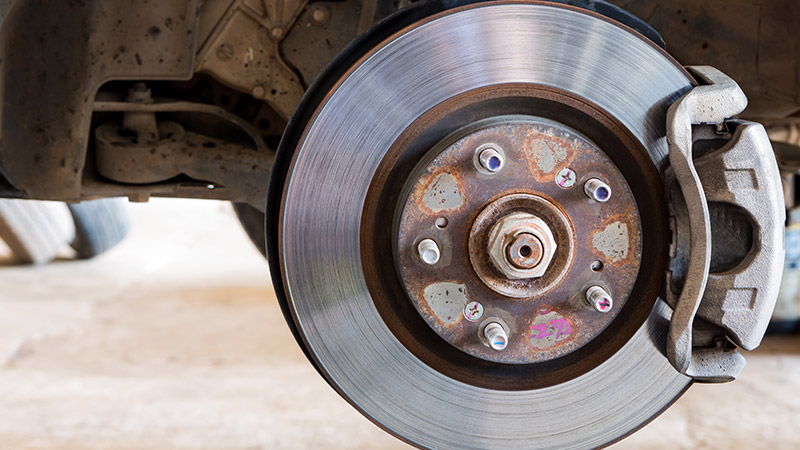
Brake rotor and drum micrometers or calipers play a crucial role in examining wear by precisely measuring the thickness of brake rotors and the internal diameter of drums. Each type of brake component has minimum or maximum specifications; surpassing these can necessitate replacement to maintain safe braking. For instance, a disc brake micrometer accurately measures disc thickness to the nearest thousandth of an inch, highlighting any irregular wear that compromises braking efficiency.
Inspection Cameras (Borescopes): What visual inspections do they enable?
Inspection cameras, or borescopes, offer innovative visual inspections of hard-to-reach areas in the brake system without extensive disassembly. Equipped with a flexible tube and a camera, these tools deliver a live feed of internal components, allowing you to inspect brake lines for signs of damage, examine calipers and pads, and check hydraulic components for obstructions. This non-invasive diagnostic method enhances efficiency and encourages early identification of potential issues.
| Tool Type | Primary Function | Key Measurement/Output | Common Issues Diagnosed |
|---|---|---|---|
| OBD-II Scanner | Reads electronic fault codes and live data from ECUs. | Diagnostic Trouble Codes (DTCs), Live Sensor Data | ABS sensor faults, electronic parking brake malfunctions, control module errors. |
| Brake Fluid Tester | Measures moisture content or boiling point of brake fluid. | Moisture Percentage, LED Indicators (e.g., 0-4%) | Low boiling point, fluid contamination, potential for brake fade. |
| Brake Pressure Gauge | Measures hydraulic pressure in brake lines and calipers. | Pressure in PSI (Pounds Per Square Inch) | Master cylinder failure, restricted brake lines, faulty proportioning valves, air in the system. |
| Digital Multimeter | Measures electrical properties (voltage, current, resistance). | Volts (V), Amps (A), Ohms (?) | Faulty ABS sensors, wiring issues, poor electrical connections, brake light switch malfunctions. |
| Rotor/Drum Micrometer/Caliper | Measures thickness of rotors and internal diameter of drums. | Thickness (mm/in), Diameter (mm/in) | Excessive wear, warping, runout, below minimum thickness specifications. |
| Inspection Camera (Borescope) | Provides visual access to confined or hidden areas. | Real-time visual feed, images/video | Brake line leaks, corrosion, caliper inspection, hidden component damage. |
How Can DIY Diagnostics Prevent Major Brake System Failures?
Conducting DIY diagnostics allows you to catch minor issues before they evolve into major brake system failures. Regular inspections and testing with appropriate tools help you identify brake pad wear, fluid degradation, and hydraulic inconsistencies early. For instance, a timely brake fluid flush, guided by a tester, can prevent fluid from boiling and causing brake fade. Similarly, routinely measuring rotor thickness with a micrometer can signal when replacement is necessary, safeguarding against warped rotors and diminished stopping power. By addressing common brake problems early, as explored in Common Brake Problems and Their Simple Solutions, you’ll significantly prolong the life of your brake components and protect the safety of everyone in your vehicle. This proactive approach keeps your entire braking system, including critical components like brake calipers, functioning optimally. To deepen your understanding of these components, explore The Role of Brake Calipers.
Frequently Asked Questions About Home Brake System Diagnostics
What are common signs indicating brake system problems?
Common signs indicating brake system problems include unusual noises like squealing or grinding during braking, a soft or spongy brake pedal, pulsation felt through the pedal, and the vehicle pulling to one side when stopping. Additionally, visual clues such as a low brake fluid level, discolored fluid, or the illumination of a brake warning light on the dashboard signal potential issues.
Can an OBD-II scanner diagnose all brake issues?
No, an OBD-II scanner cannot diagnose every brake-related problem. While it effectively reads diagnostic trouble codes (DTCs) for electronic brake components, especially in ABS systems, it cannot directly identify mechanical issues like worn brake pads, warped rotors, or leaks in brake lines. These mechanical problems typically require a physical inspection and specialized measurement tools.
How often should I check my brake fluid?
It’s advisable to check your brake fluid level and condition every six months or during regular vehicle maintenance. The owner’s manual will provide specific guidance, but many manufacturers recommend replacing brake fluid every 2-3 years or 40,000 to 60,000 miles, regardless of its appearance. Using a brake fluid tester offers a more accurate evaluation of when a fluid flush is necessary.