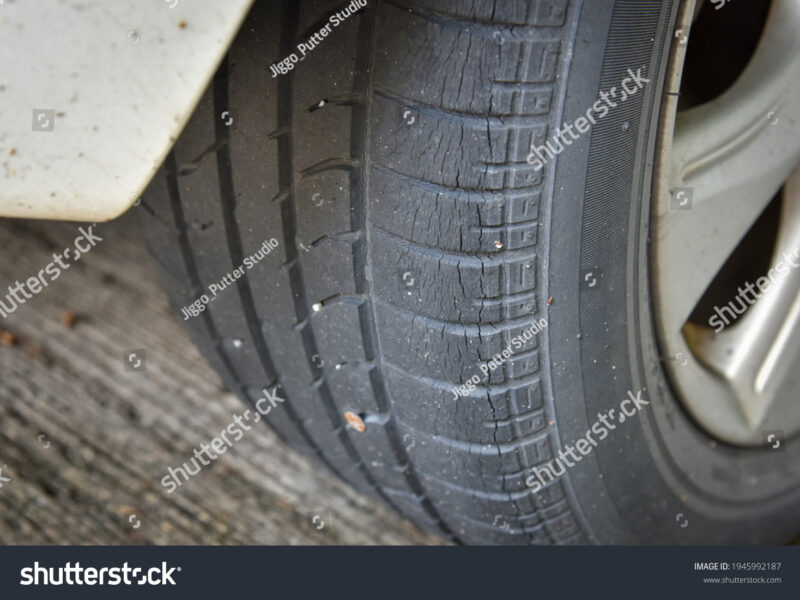
When the temperatures plunge below 7°C (45°F), equipping your vehicle with winter tires becomes essential for maintaining safety on the road. Known as snow tires, these specialized components are meticulously designed to deliver enhanced traction and control on icy, snowy, and slushy surfaces. Unlike all-season or summer tires, winter tires stand out with their unique rubber composition, aggressive tread patterns, and advanced siping technology, ensuring optimal performance even in the most challenging cold-weather conditions.
What is the Unique Composition of Winter Tires?
At the heart of winter tires lies a specially formulated rubber compound that maintains flexibility even in frigid temperatures. This is a critical advantage, as all-season and summer tires stiffen below 7°C (45°F), losing their grip. The unique blend often incorporates a high percentage of natural rubber and silica, enhancing their elasticity and adhesion on slick surfaces. This allows winter tires to retain optimal contact with the road, providing the necessary grip and control required for safe driving in harsh conditions.
How Do Winter Tire Tread Patterns Provide Superior Traction?
The tread patterns on winter tires are a marvel of engineering, crafted with deep grooves and increased siping for maximum traction. These patterns, often featuring V-shaped or directional designs, enable the tires to effectively penetrate snow and expel slush and water, significantly reducing the risk of hydroplaning. The intricate sipes create thousands of tiny biting edges that latch onto ice and packed snow, dramatically improving acceleration, braking, and cornering capabilities. When snow compresses into these broad grooves, it boosts the car’s grip, as snow-on-snow friction proves highly effective.
What are the Different Types of Winter Tires?
Winter tires can be classified into two primary types: studded and studless, each catering to unique driving environments. Studded winter tires feature small metal or ceramic studs embedded in their tread, providing exceptional grip on icy surfaces, especially glare ice or hard-packed snow. However, they can be noisy and may cause road damage, leading to restrictions in some regions. Conversely, Studless winter tires leverage advanced rubber compounds and intricate tread designs without metal spikes. These tires maintain flexibility when temperatures drop and are favored for mixed conditions and urban driving due to their quieter performance and versatility.
Why is the Three-Peak Mountain Snowflake (3PMSF) Symbol Important?
The Three-Peak Mountain Snowflake (3PMSF) symbol, depicted as a snowflake within a three-peaked mountain outline on the tire’s sidewall, indicates that the tire adheres to rigorous U.S. Tire Manufacturer Association (USTMA) standards for severe snow conditions. Tires adorned with this symbol have proven their superior traction under severe snow in independent tests. The 3PMSF certification ensures the rubber compound remains pliable in cold weather (at or below 4°C or 40°F), delivering reliable grip on snow and ice. This symbol serves as a vital signpost for identifying tires meticulously designed for unpredictable winter conditions, and it may also fulfill legal requirements in some areas.
Comparative Analysis: Winter vs. All-Season vs. Summer Tires
Winter, all-season, and summer tires each exhibit distinct characteristics suited for varying temperature ranges and driving conditions. Understanding these differences can help you make informed choices for your vehicle.
| Feature | Winter Tires | All-Season Tires | Summer Tires |
|---|---|---|---|
| Ideal Temperature Range | Below 7°C (45°F) | Above 7°C (45°F), moderate conditions | Above 7°C (45°F), hot conditions |
| Rubber Compound | Soft, flexible, high silica/natural rubber content; remains pliable in cold. | Medium hardness; balances warm and light cold performance. | Hard, stiff; designed to withstand heat, optimal for grip on hot pavement. |
| Tread Pattern | Deep, aggressive grooves, high void ratio, extensive sipes; designed to bite snow and ice, evacuate slush. | Moderate depth, less aggressive grooves, some siping; balances wet/dry traction, limited snow grip. | Shallow, less grooving, large contact patch; optimized for dry grip, water dispersion. |
| Performance on Snow/Ice | Superior traction, shorter braking distances, enhanced handling. | Limited traction in light snow; stiffens in cold, reduced effectiveness. | Poor traction; rubber stiffens, significantly longer braking distances. |
| Performance on Dry Pavement (Cold) | Maintains grip due to flexible compound. | Stiffens, reduced grip. | Stiffens, significant loss of traction. |
| Road Noise | Potentially higher (especially studded). | Generally quieter. | Can be performance-oriented, variable. |
Using winter tires in warmer temperatures above 7°C is inadvisable; their softer compound can wear out rapidly, leading to decreased fuel efficiency and handling. For optimal vehicle health and safety, proper maintenance of all automotive components is key, which includes ensuring your oil filters are in top shape for optimal engine performance, and checking that your brake pads provide reliable stopping power.
What are the Best Practices for Winter Tire Maintenance and Storage?
To ensure the longevity and effectiveness of your winter tires, proper maintenance and storage are crucial. Regular tire pressure checks are vital since cold weather can cause pressure drops, adversely affecting traction and wear. Monitor tread depth, as winter tires become less effective below 4mm. Seasonal tire rotation promotes uniform wear across all tires. When it’s time to store winter tires, clean them thoroughly with mild soap and water to remove any dirt, then dry them completely. Store the tires in a cool, dry, dark, and well-ventilated location—such as a basement or climate-controlled area—shielded from direct sunlight, heat sources, and ozone-emitting devices like electric motors. For added protection against environmental elements, placing each tire in an airtight plastic bag helps retain oils while preventing degradation. Lastly, store tires vertically on racks or clean wood, or horizontally if mounted on wheels, to avoid deformation.
What are the Legal Requirements for Winter Tires?
Legal requirements surrounding winter tires vary significantly by region, with some areas enforcing mandates during specific winter months or under certain weather conditions. For example, Quebec has mandated winter tires from December 1st to March 15th for all vehicles since 2019, with penalties for non-compliance. In British Columbia, winter or all-season tires with the 3PMSF symbol are required between October 1st and March 31st, especially in mountainous regions where chains may also be necessary. While federal mandates do not exist in the United States, many states regulate the use of studded tires, often restricting their usage to certain winter months due to potential road damage. Checking local regulations is vital to avoid fines and ensure road safety, as compliance greatly affects vehicle safety and may even influence insurance claims.
FAQs About Winter Car Tires
When should I install winter tires on my vehicle?
Install winter tires when ambient temperatures consistently drop below 7°C (45°F), typically between October and April, even if there is no snow or ice present. This temperature threshold is crucial because all-season and summer tires harden, significantly reducing their effective grip.
Are all-wheel drive (AWD) vehicles sufficient without winter tires?
No, while all-wheel drive (AWD) systems improve acceleration and traction, they do not significantly enhance braking or cornering on snow and ice without dedicated winter tires. Winter tires are paramount for achieving reliable grip, regardless of the vehicle’s drivetrain, ensuring safe stopping and steering in cold conditions.
How long do winter tires typically last?
The lifespan of winter tires can vary based on driving habits, mileage, and proper maintenance, but they generally last for several winter seasons. Driving on these tires in warmer temperatures above 7°C (45°F) can accelerate wear due to their softer compound. Regular rotation, maintaining correct tire pressure, and ensuring proper off-season storage in a cool, dry place can significantly extend their service life.