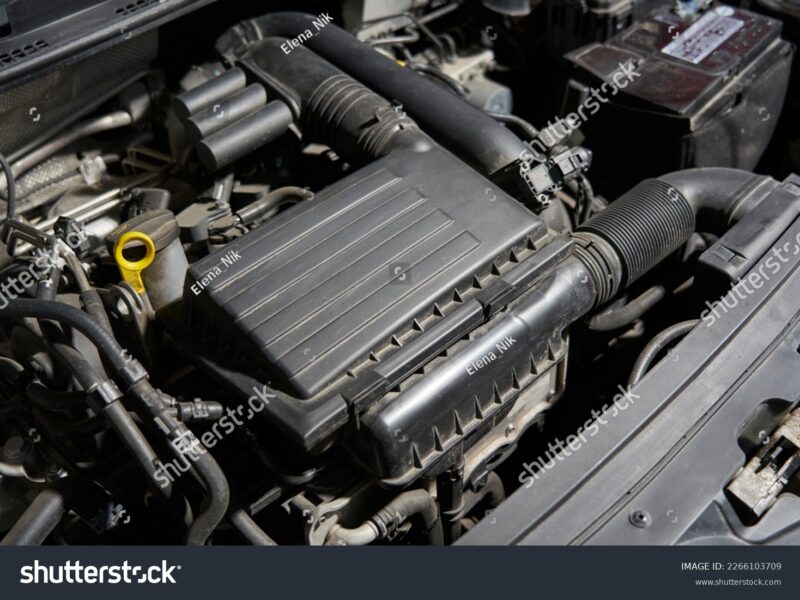
An engine air filter plays an indispensable role in the health of your vehicle’s internal combustion system. Designed to purify the air flowing into the combustion chamber, this vital component traps airborne contaminants like dust, dirt, pollen, and debris. By doing so, it not only ensures an optimal air-fuel mixture but also protects sensitive engine parts from premature wear. A clean air filter is actively working to enhance engine performance and efficiency.
What Happens When an Engine Air Filter Becomes Clogged?
When an engine air filter becomes clogged with excessive particulate matter, it can significantly disrupt airflow into the engine’s intake system. This restriction leads to a lower volume of oxygen for combustion, resulting in an unbalanced air-fuel ratio. Though the engine’s electronic control unit (ECU) may attempt to adjust, ongoing deprivation of clean air results in diminished efficiency and performance. In fact, severely restricted airflow can hinder power generation, increase fuel consumption, and worsen harmful emissions.
7 Critical Symptoms of a Clogged Engine Air Filter
Timely recognition of the symptoms of a clogged engine air filter is crucial to avoid severe engine issues. These signs typically manifest as noticeable changes in vehicle operation and performance.
Reduced Engine Performance
A significant reduction in engine performance is one of the most telling signs of a clogged air filter. When the engine struggles to draw enough air for optimal combustion, drivers may experience a sluggish performance, particularly during acceleration or uphill driving. This “starvation” for oxygen directly impairs the engine’s ability to generate its full horsepower.
Decreased Fuel Efficiency
A clogged air filter can wreak havoc on your vehicle’s fuel economy. With inadequate air entering the engine, the onboard computer compensates by injecting more fuel into the combustion chamber, leading to a richer air-fuel mixture. This often results in incomplete combustion and wasted fuel, causing the vehicle to consume more gasoline or diesel for the same distance, requiring more frequent stops at the pump.
Unusual Engine Sounds
An engine operating with a dirty air filter may produce distinct sounds, such as a whistling or sucking noise from the air intake system. This occurs as the engine works harder to pull air through the restricted filter. Additionally, you may notice a rougher idle marked by vibrations or inconsistent RPMs, indicative of compromised airflow.
Dark or Black Smoke from Exhaust
One of the most visible symptoms of a clogged air filter is dark or black smoke from the exhaust pipe. This occurs due to a rich air-fuel mixture, resulting in incomplete combustion and the expulsion of soot particles. Alongside visible smoke, you may also see increased carbon monoxide and hydrocarbon emissions.
Illuminated Check Engine Light
Modern vehicles feature sophisticated diagnostic systems that monitor various engine functions. If your air filter is seriously clogged, it can trigger the Check Engine Light (CEL). This warning typically indicates that the Mass Air Flow (MAF) sensor detects an incorrect air volume or that oxygen (O2) sensors register an imbalanced air-fuel ratio. The ECU systematically logs a diagnostic trouble code (DTC) related to these abnormalities.
Rough Idling or Misfires
A restricted air filter may lead to rough idling, characterized by excessive vibrations or an unstable engine at a standstill. This instability stems from inconsistent combustion due to fluctuating air intake. In more serious cases, drivers may experience misfires, where one or more cylinders fail to combust efficiently. This leads to noticeable jerkiness or hesitation during operation.
Reduced Acceleration Power
Finally, drivers may notice a significant decline in the vehicle’s acceleration capability. When attempting to speed up, the engine struggles to gain momentum, exhibiting a hesitant response directly tied to inadequate airflow. This inability to increase RPMs promptly translates to compromised acceleration.
How Often Should an Engine Air Filter Be Replaced?
Replacing your engine air filter is essential for maintaining vehicle performance, with a general guideline of every 12,000 to 15,000 miles or once a year. However, factors such as environmental conditions and driving habits may necessitate more frequent changes. For detailed guidance, consult our article on How Often Should You Change Your Car’s Air Filter? The Ultimate Guide.
| Factor | Description | Impact on Replacement Interval |
|---|---|---|
| Driving Environment | Operating in dusty, gravelly, or polluted areas | More frequent replacement (e.g., every 5,000-10,000 miles) |
| Mileage Driven | Accumulated distance covered by the vehicle | Typically every 12,000-15,000 miles for average conditions |
| Vehicle Usage | Heavy towing, off-roading, or frequent short trips | Shorter intervals due to increased engine workload |
| Filter Type | Paper, cotton gauze, synthetic materials | High-performance or reusable filters may last longer with cleaning |
Understanding the cost-benefit analysis of filtration reveals that proper maintenance can extend engine life and preserve your vehicle’s value.
Why is engine air filter maintenance crucial? Regular inspection and replacement are essential for ensuring optimal engine health. A clean filter guarantees a consistent oxygen supply, facilitating efficient fuel combustion, maximizing horsepower, and optimizing fuel economy. Moreover, it prevents abrasive particles from entering the engine, which could lead to significant internal damage and costly repairs.
Can a dirty air filter cause engine damage? Absolutely. A severely clogged air filter can lead to long-term engine damage. When airflow is restricted, the engine works harder, increasing wear and tear on its components. Furthermore, if the filter media suffers degradation or is bypassed due to extreme clogging, unfiltered air may introduce harmful particles into the combustion chamber, leading to scoring on cylinder walls, piston damage, and contaminated engine oil—resulting in accelerated degradation or even catastrophic engine failure.
How can I inspect my engine air filter? Inspecting your engine air filter is a straightforward DIY process. Locate the air filter housing, typically a plastic compartment linked to the engine’s air intake hose, and carefully open it. Remove the filter element and hold it up to a light source. If you can’t see light passing through it, or if it looks heavily discolored, it requires replacement. Even without visible dirt, a dark gray or black appearance compared to a new filter indicates it’s likely clogged.