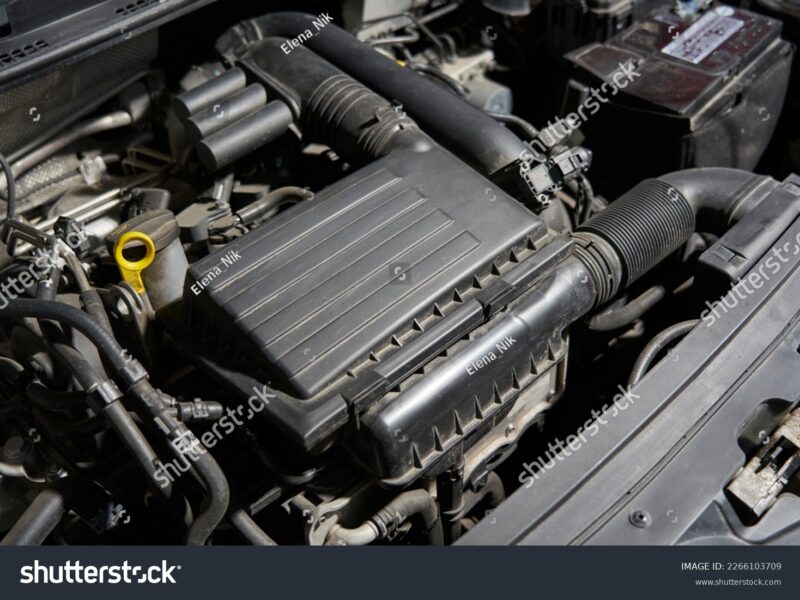
A performance air filter is an essential aftermarket component crafted to optimize the air intake of an internal combustion engine. This innovation can dramatically influence a vehicle’s horsepower and torque output. By reducing airflow restrictions compared to standard original equipment manufacturer (OEM) filters, performance air filters allow engines to draw in a greater volume of colder, denser air, facilitating more efficient combustion and ultimately enhancing engine performance.
What is a Performance Air Filter and How Does it Increase Horsepower?
When you replace the factory-installed air filter in your vehicle’s air intake system with a performance air filter, you provide the engine with superior airflow to its combustion chambers. This increased airflow enables a more complete and efficient combustion process, translating into enhanced horsepower and torque figures. The system works on the principle that the engine requires a precise air-fuel ratio; by allowing more air, you can combust more fuel effectively, resulting in greater power output. While traditional OEM air filters focus on filtration longevity and noise reduction, they often compromise on maximum airflow. In contrast, performance filters strike a balance between effective particulate capture and minimal airflow resistance.
Comparing Performance Air Filter Types: Materials and Characteristics
Performance air filters are categorized by their filtration media, with the most common types being cotton gauze, synthetic dry, and foam. Each material offers a unique combination of airflow characteristics, filtration efficiency, and maintenance requirements. Your choice directly influences not only potential horsepower gains but also the longevity of your engine and overall operational costs.
Cotton Gauze Air Filters
Cotton gauze air filters are constructed using layered woven cotton fabric that is treated with a specialized oil to trap contaminants. These filters are recognized for their high airflow capacity, significantly contributing to potential horsepower gains. Their reusable design necessitates periodic cleaning and re-oiling. However, it’s vital to apply the right amount of oil; insufficient oil reduces filtration efficiency, while excess can contaminate the mass airflow sensor (MAF sensor).
Synthetic Dry Air Filters
Synthetic dry air filters are made from non-woven synthetic fibers, providing excellent filtration without requiring oil. These filters generally offer a good balance between airflow and filtration efficiency, effectively capturing dust and debris. They are also reusable, needing only light cleaning or vacuuming of the filter element, making them a convenient choice. Their dry composition eliminates the risk of MAF sensor contamination associated with over-oiling.
Foam Air Filters
Foam air filters consist of multiple layers of open-cell foam, often treated with oil to capture dirt particles through both surface and depth filtering. While these filters are predominantly used in motorsports and off-road applications due to their superior dirt-holding capacity, they are less commonly found in mainstream street performance applications compared to cotton gauze and synthetic dry filters. Foam filters provide good airflow and filtration efficiency, but they typically require more involved cleaning and re-oiling processes.
| Filter Type | Primary Material | Airflow (Relative) | Filtration Efficiency (Relative) | Maintenance | Reusability | Typical Cost (Initial) |
|---|---|---|---|---|---|---|
| Cotton Gauze | Oiled Cotton Fabric | High | Good | Clean & Re-oil | Yes | Moderate to High |
| Synthetic Dry | Non-woven Synthetic Fibers | Medium-High | Very Good | Clean / Vacuum | Yes | Moderate |
| Foam | Oiled Open-Cell Foam | High | Excellent (Off-road) | Clean & Re-oil | Yes | Low to Moderate |
Factors to Consider When Choosing the Best Air Filter for Your Vehicle
Choosing the right performance air filter involves assessing several critical factors to ensure compatibility with your vehicle, the driving environment, and your personal maintenance preferences. The ideal air filter for horsepower gains isn’t universally applicable; it varies based on specific use cases. When making your decision, consider vehicle fitment, typical driving conditions, your willingness to perform maintenance, and the balance between initial investment and long-term value. For instance, many drivers often wonder, “Are expensive air filters worth the investment?” especially when weighing overall costs.
Vehicle Specificity and Fitment
It’s essential to ensure that the performance air filter you choose is explicitly designed for your vehicle’s make, model, and engine. Proper fitment guarantees an airtight seal within the airbox, preventing unfiltered air from entering the engine and compromising the filter’s effectiveness. Aftermarket filters are expertly engineered to integrate smoothly into existing air intake systems, often serving as direct replacements for OEM units.
Driving Conditions and Environment
The environment in which your vehicle operates greatly influences the necessary level of particulate filtration. For vehicles frequently driven in dusty or off-road conditions, filters that emphasize robust dirt-holding capacities, like certain foam or high-quality synthetic dry filters, are beneficial. Conversely, street-driven vehicles often thrive on filters optimized for maximum airflow while offering adequate filtration without being excessively restrictive.
Maintenance Commitment and Convenience
The maintenance requirements associated with various filter types can differ significantly. Oiled cotton gauze filters require regular cleaning and re-oiling, which can be a more involved process. In contrast, synthetic dry filters often have simpler maintenance protocols, needing only inspections and light cleanings. It’s crucial to evaluate your willingness to adhere to recommended maintenance schedules for sustained performance and optimal engine protection.
Balancing Engine Protection with Performance Gains
While the primary purpose of an air filter is to shield the engine from harmful contaminants, achieving maximum airflow is vital to boosting horsepower. However, this is not at the expense of the filter’s capability to effectively trap dirt and debris. Leading performance air filter manufacturers design their products to strike the right balance, delivering enhanced airflow while maintaining stringent engine protection against abrasive particles that could lead to premature wear.
Installation and Maintenance for Optimal Horsepower Gains
To fully realize the horsepower benefits of a performance air filter and ensure engine longevity, proper installation and diligent maintenance are crucial. An inadequately installed or neglected filter could negate performance gains and even risk engine damage. Adhering to the manufacturer’s guidelines for both installation and cleaning is critical. For an extensive guide, explore resources like “Easy Steps: Your Complete Air Filter Installation Guide.
Proper Installation Procedures
Installing most performance air filters is a straightforward process, typically involving the removal of the OEM filter and its replacement with the aftermarket unit. A secure fit and proper sealing within the airbox are vital to prevent unfiltered air bypass. In some cases, performance air filter systems may require an entire air intake tube replacement, which involves additional steps but remains accessible for most automotive enthusiasts.
Scheduled Cleaning and Re-oiling
Maintenance schedules vary based on filter type and driving conditions. Oiled filters, such as cotton gauze, typically need cleaning and re-oiling every 30,000 to 50,000 miles under ordinary driving conditions, with more frequent service in dusty environments. Synthetic dry filters often follow similar cleaning or replacement intervals, but without the need for re-oiling. Regular maintenance is essential for sustaining consistent airflow and filtration efficiency, safeguarding both horsepower gains and engine health.
Frequently Asked Questions
Q: Do performance air filters void my vehicle’s warranty?
A: Generally, installing a performance air filter does not void your vehicle’s warranty under the Magnuson-Moss Warranty Act in the U.S., provided the filter does not directly cause a component failure. However, a dealership may attribute a related engine issue to the aftermarket part if causality is proven. It is advisable to check with your vehicle manufacturer or dealership for specific warranty concerns.
Q: How often should I clean or replace my performance air filter?
A: The cleaning or replacement interval for a performance air filter varies based on its type (oiled vs. dry), the manufacturer’s recommendations, and your specific driving conditions. Oiled filters typically need servicing every 30,000 to 50,000 miles, while dry filters may have similar or slightly shorter intervals. Vehicles often driven in dusty or extreme conditions will require more frequent maintenance to maintain peak performance and filtration.
Q: Will a performance air filter improve fuel economy?
A: Although the primary benefit of a performance air filter is the increase in horsepower through improved airflow, you may occasionally experience a marginal improvement in fuel economy. This potential boost results from the engine operating more efficiently due to reduced air intake restrictions. However, significant fuel economy enhancements are usually not the main reason for installing a performance air filter, with driving style remaining the most influential factor on fuel consumption.