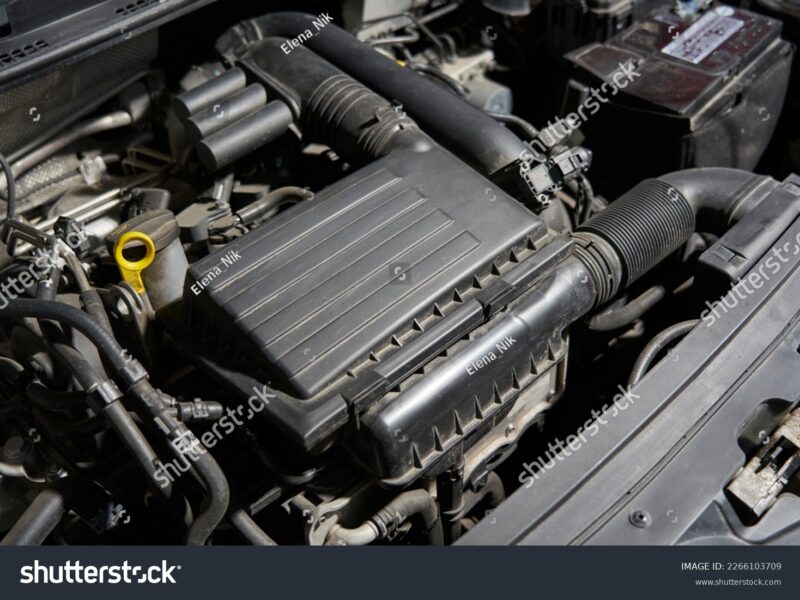
Car air filters play a crucial role in maintaining a vehicle’s engine performance. By removing airborne contaminants, they ensure optimal combustion and protect the engine from harmful particles. Dust, dirt, pollen, and other debris can easily infiltrate an engine’s cylinders, causing mechanical wear and potential oil contamination. The primary aim of an air filter is to guarantee a clean air supply for efficient fuel combustion, ultimately extending the engine’s lifespan.
What is an OEM Car Air Filter?
An OEM (Original Equipment Manufacturer) car air filter is a replacement part made by the same company that originally supplied it when the vehicle was manufactured. These filters are designed to meet the exact specifications and performance standards set by the vehicle manufacturer. This precise fit helps prevent unfiltered air and contaminants from bypassing the filter, ensuring optimal filtration and engine protection.
What is an Aftermarket Car Air Filter?
In contrast, an aftermarket car air filter comes from independent third-party manufacturers rather than the original equipment manufacturer. These filters cater to various vehicle makes and models, often designed to match or exceed OEM specifications. Aftermarket filters offer a wide range of options, from standard replacements to high-performance and reusable designs, generally at a more affordable price point than their OEM counterparts.
How Do OEM and Aftermarket Air Filters Differ in Filtration Efficiency and Materials?
The distinction between OEM and aftermarket air filters lies in their filtration efficiency and material composition. OEM filters typically utilize finely engineered materials, such as pleated paper, with tightly packed pleats that create a vast surface area for trapping debris effectively over time. This design ensures balanced airflow and superior particle prevention.
Conversely, the material quality of aftermarket filters varies widely. While many opts for cotton gauze, foam, or synthetic media, some may feature shallower pleats, which can lead to reduced filtration efficiency compared to OEM filters. Some aftermarket options prioritize airflow, potentially jeopardizing the degree of filtration. However, high-quality synthetic filters can strike a balance, capturing smaller particles while still allowing good airflow.
What are the Performance and Fuel Economy Implications of OEM vs. Aftermarket Air Filters?
Your choice between OEM and aftermarket air filters can significantly impact your vehicle’s engine performance and fuel economy. Regardless of type, a clean air filter is vital, as it facilitates the proper airflow necessary for efficient combustion, consistent performance, and optimal horsepower while minimizing emissions. A clogged filter limits airflow, forcing the engine to work harder, which can lead to decreased fuel efficiency and sluggish acceleration.
OEM filters are crafted to maintain the manufacturer-specified air delivery, ensuring predictable performance and an accurate air-fuel mixture. While modern fuel-injected vehicles adapt to minor variations, a clean filter enhances acceleration and responsiveness. Aftermarket performance filters are often engineered for increased airflow, sometimes adding 3-5 horsepower in certain applications; however, this can come at the cost of filtration efficiency.
Price and Availability: A Cost-Benefit Analysis
When considering a replacement, the cost and availability of car air filters are primary concerns. Aftermarket air filters typically come at a 20-40% lower price compared to OEM filters, making them an appealing choice for budget-conscious consumers. With a wide variety of options available at auto parts stores and online, you might find a budget aftermarket filter priced around $4, while the corresponding OEM filter could range from $10 to $20 more.
On the other hand, the higher cost of OEM filters reflects their superior materials, rigorous testing, and guaranteed fitment. Often available through authorized dealers or specific online retailers, OEM filters, while pricier initially, offer enhanced durability and prolonged lifespan, potentially reducing the frequency of replacements and ultimately saving consumers money.
| Attribute | OEM Car Air Filters | Aftermarket Car Air Filters |
|---|---|---|
| Manufacturer | Original Equipment Manufacturer | Third-party companies |
| Fitment | Exact, precise fit for specific vehicle models; no gaps. | Varies; “will-fit” approach common, potential for imperfect fit or gaps. |
| Material Quality | High-quality, extensively tested materials (e.g., pleated paper). | Varies widely; can be paper, cotton, foam, or synthetic. |
| Filtration Efficiency | Optimal balance between airflow and debris prevention; deep, tightly packed pleats. | Varies; some prioritize airflow over fine particle filtration; shallower pleats. |
| Performance Impact | Maintains factory-specified engine performance and fuel economy. | Some “performance” options offer increased airflow for potential horsepower gains, but may compromise filtration. |
| Cost | Generally higher initial cost. | Typically 20-40% more affordable. |
| Availability | Limited, often through authorized dealers. | Wide, available at auto parts stores and online. |
| Lifespan | Often longer due to superior materials and construction. | Can be shorter; some reusable with cleaning. |
Which Air Filter Type Should You Choose for Your Vehicle?
Choosing the right air filter hinges on multiple factors, including the type of vehicle, driving conditions, budgetary constraints, and performance objectives. For most drivers prioritizing reliability and adherence to manufacturer specifications, an OEM air filter is typically recommended. This choice ensures optimal engine protection, precise fitment, and compliance with the vehicle’s warranty.
Conversely, those seeking budget-friendly alternatives or specific performance enhancements may find aftermarket air filters suitable. When selecting an aftermarket option, thorough research is essential. Opting for reputable brands and filters that meet or exceed OEM specifications can prevent potential harm to engine health. High-quality aftermarket filters can deliver comparable performance and value; for instance, high-flow catalytic converters illustrate how performance parts can enhance a vehicle’s overall performance, akin to selecting an aftermarket air filter tailored to specific performance enhancements without compromising filtration efficiency.
Do aftermarket air filters void car warranties?
No, installing an aftermarket air filter does not automatically void a car’s warranty in the United States. The Magnuson-Moss Warranty Act safeguards consumers by preventing manufacturers from conditioning warranty coverage based on specific brand usage unless those parts are provided at no charge or explicitly permitted by the Federal Trade Commission. However, if an aftermarket air filter causes engine damage, warranty coverage for that specific repair may be denied. For instance, if an over-oiled filter fouls a mass air flow sensor, that replacement might not be included. Therefore, consulting the vehicle’s owner’s manual and selecting aftermarket filters that comply with OEM specifications is advisable.
How often should car air filters be replaced?
Typically, car air filters should be inspected annually or every 15,000 to 30,000 miles, with replacements recommended every 12 months or between 12,000 to 15,000 miles, whichever comes first. However, this interval can vary significantly based on driving conditions, particularly for vehicles used frequently in dusty environments, on unpaved roads, or in heavy traffic. For the most accurate replacement intervals, it’s best to consult the vehicle’s owner’s manual. Regular maintenance, including checking and replacing components like air filters, is crucial for optimal vehicle safety and performance, similar to understanding when to replace tires.
Can a dirty air filter affect engine performance?
Absolutely, a dirty car air filter can severely impact engine performance. When clogged, it restricts airflow to the engine, creating an improper air-fuel mixture. This limitation forces the engine to work harder, leading to decreased horsepower, sluggish acceleration, rough idling, and reduced fuel efficiency. In extreme cases, a dirty air filter may trigger the check engine light, cause engine misfires, produce dark exhaust, and potentially lead to long-term engine damage. Ensuring a clean air filter is critical for providing the engine with the optimal amount of oxygen for combustion and maintaining overall vehicle health. Just as with other maintenance components, such as acquiring discount car tires, timely air filter replacements can prevent costly issues down the line.