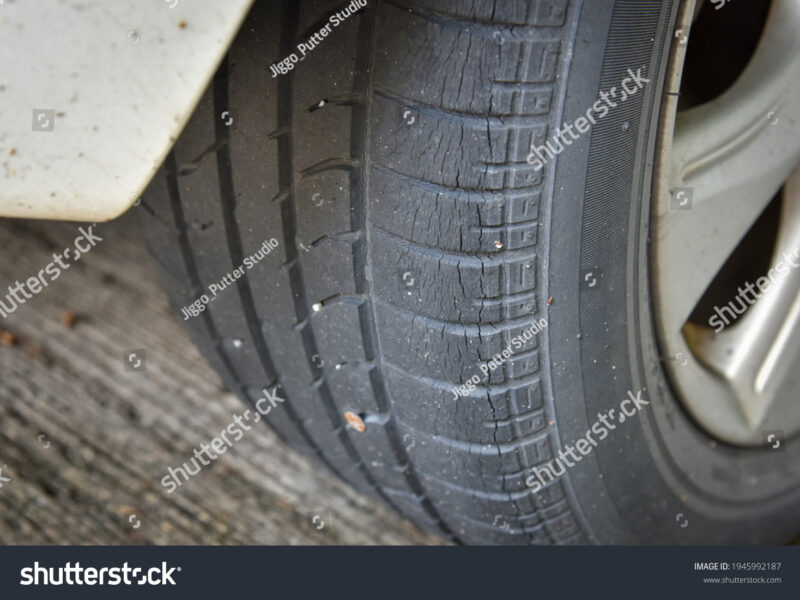
Discount car tires refer to automotive tires offered at a reduced price compared to their standard retail cost, providing a cost-effective solution for vehicle owners. The acquisition of these tires focuses on achieving financial savings while rigorously maintaining essential safety and performance standards. This approach directly addresses the consumer need for economical vehicular operation without compromising critical attributes such as traction, durability, and structural integrity. By understanding the nuances of tire types, specifications, quality, and purchasing options, consumers can navigate the market effectively to find the best deals.
What Defines Discount Car Tires and Why Are They a Viable Option?
Discount car tires are defined by their lower price point, which does not inherently equate to diminished quality or safety. These tires become available through various market mechanisms, including overstock sales, closeouts, manufacturer rebates, and specific retail strategies focused on value. The viability of purchasing such tires stems from the potential for significant cost savings for consumers, enabling them to replace worn tires more frequently or access higher-tier brands within a specified budget. For example, brands like BF Goodrich and Falken often provide quality tires at competitive price points.
Types of Tires: Choosing the Right Option
Understanding the different types of tires is essential in selecting the right option for your vehicle:
- All-Season Tires: These are designed to perform well under various weather conditions, providing a balance of tread life, comfort, and handling. Prices typically range from $50 to $150 per tire.
- Winter Tires: Specifically engineered for cold weather, winter tires feature unique tread patterns and softer rubber compounds that enhance grip on snow and ice. Expect to pay between $80 and $200 per tire.
- Summer Tires: These tires are optimized for performance and grip in warm conditions, excelling in handling and braking. Pricing ranges from $60 to $180 per tire.
Size and Specifications: Finding the Right Fit
Selecting the correct tire size is crucial for both safety and performance. Consider the following:
- Tire Dimensions: Always check the specifications printed on your old tires, which includes the width, aspect ratio, and diameter (e.g., 205/55R16).
- Load Index and Speed Rating: Understanding these ratings ensures the tires support your vehicle’s weight and performance characteristics. The load index indicates the maximum load a tire can carry, while the speed rating defines the maximum speed it can safely maintain.
Quality and Durability: Evaluating Tire Standards
Evaluating the quality of tires involves understanding several factors:
- Rubber Compounds: High-performance tires often utilize specialized rubber blends for different conditions. Premium tires may outperform standard ones in both grip and longevity.
- Tread Depth: A minimum tread depth of 2/32 inches is advised for safe tires. Regularly check for uneven wear, which can indicate alignment issues.
- Brand Analysis: Recognized brands often provide better warranties and customer support compared to lesser-known brands, even at lower price points.
Where to Buy Discount Tires: Exploring Your Options
Consumers have multiple avenues to explore when seeking cost-effective car tires, each presenting distinct advantages and considerations regarding price, selection, and service. Evaluating these channels is crucial for making an informed purchasing decision.
How Do Online Tire Retailers Provide Cost-Effective Solutions?
Online retailers such as Tire Rack and Discount Tire offer extensive inventories and often lower prices due to reduced overhead costs and the ability to buy in bulk. These platforms facilitate comprehensive price comparisons and provide access to a wide selection of brands, sizes, and performance categories not typically available in local stores. Additionally, purchases can be shipped directly to your home or a preferred local installer, streamlining logistics for buyers.
Where Can Local Brick-and-Mortar Stores Offer Competitive Pricing on Tires?
Local shops, including independent tire dealers and national chains, can provide competitive pricing, particularly during promotional events. The major advantage of local stores is their capability for immediate installation and consultation with tire experts. Additionally, these outlets often offer bundled services like free rotations and balance checks, enhancing long-term value.
What Role Do Wholesale Clubs Play in Securing Budget-Friendly Tire Deals?
Wholesale clubs such as Costco and Sam’s Club frequently provide low prices on tires, including installation and balancing services. While a membership may be required, the overall value can be significant. Clubs often stock popular brands, providing competitive warranties that enhance their cost-saving potential.
What Are the Considerations for Buying Used or Blemished Tires?
Purchasing used tires offers a lower initial cost but carries significant safety risks due to potential hidden damage. Consumer Reports warns that buying used tires is generally inadvisable due to difficulties in assessing internal conditions. In contrast, blemished tires (or ‘blems’) are new tires with minor cosmetic flaws that have passed safety inspections. These tires are structurally sound, often retaining the full manufacturer warranty, making them a safer discount option.
How to Ensure Quality When Purchasing Discount Tires
Ensuring the quality of discount tires requires attention to specific metrics and informed decision-making, prioritizing safety and performance alongside cost savings.
Which Key Metrics Indicate Tire Quality and Safety?
Several metrics provide objective data on tire quality and safety:
- Uniform Tire Quality Grading (UTQG): This system rates tires based on treadwear, traction, and temperature resistance. Higher ratings indicate better durability and safety.
- Treadwear Rating: A higher number indicates expected longevity (e.g., a 400 rating shows better longevity compared to a 100 rating).
- Traction Rating: This evaluates a tire’s stopping ability on wet roads. An ‘AA’ rating signifies superior performance.
- Temperature Resistance: Denoted by ratings A, B, or C, assessing how well the tire cools under load to prevent overheating and potential blowouts.
How Do Tire Ratings and Reviews Inform Purchasing Decisions?
Consumer reviews and expert tests provide insights into actual performance. Utilizing resources like Consumer Reports and platforms like Discount Tire, which use a “Good, Better, Best” categorization, can assist buyers in making informed choices. Understanding how different models perform in diverse conditions, such as rain or snow, is critical, as some excel under specific circumstances.
What Are the Implications of Proper Tire Installation and Maintenance?
Proper installation by certified technicians is essential for tire performance. This includes correct mounting, balance, and alignment. Regular maintenance, such as routine tire rotations, pressure checks, and alignments, will significantly extend tire lifespan. Proactive vehicle care, including understanding how your driving habits impact tire wear, mirrors the overall upkeep needed for vehicle safety and longevity.
Comparative Analysis of Discount Tire Purchasing Channels
| Channel | Primary Advantage | Pricing Structure | Selection & Inventory | Installation & Service | Key Consideration |
|---|---|---|---|---|---|
| Online Retailers (e.g., Tire Rack, Discount Tire) | Wide selection, competitive pricing, extensive reviews. | Often lowest upfront prices, potential shipping fees. | Vast, global inventory; specialized options. | Shipped to home or partner installer; separate installation cost. | Logistics of installation. |
| Local Tire Shops (e.g., Independent, Chains) | Personalized service, immediate installation, local support. | Varies; often includes installation; sales/rebates. | Limited by physical space; common models. | Bundled installation, balancing, and post-purchase care. | Potentially higher prices, limited selection. |
| Wholesale Clubs (e.g., Costco, Sam’s Club) | Consistently low prices, bundled services, strong warranties. | Very competitive, often includes installation. | Good for popular brands/sizes; limited specialized options. | Full-service installation and maintenance for members. | Membership requirement, limited selection. |
| Blemished Tire Dealers | New tires at a significant discount due to cosmetic flaws. | Lower than perfect new tires. | Variable; depends on available ‘blems’. | Installation typically separate, same as new tires. | Ensure thorough checks for unseen internal issues. |
Frequently Asked Questions About Discount Tires
Q: Are discount tires always lower quality than full-priced tires?
A: No, discount tires are not inherently lower quality. The term “discount” often refers to pricing strategies, such as sales or manufacturer promotions, rather than defects in manufacturing. Quality is determined by ratings like UTQG and brand reputation, not solely by price.
Q: How can I verify the age of a discount tire before purchase?
A: The manufacturing date of a tire is indicated by a four-digit DOT code on its sidewall. The last four digits represent the week and year of production (e.g., 3524 means the 35th week of 2024). It is recommended to avoid purchasing tires older than five to six years, regardless of tread depth.
Q: Is it advisable to purchase used tires for long-term use?
A: Purchasing used tires is generally not recommended for long-term use due to inherent safety risks. These tires may have unseen internal damage, compromised structural integrity, or significant wear that is difficult to assess, potentially leading to unpredictable performance and safety hazards.