When is the Right Time to Replace Your Vehicle’s Tires?
Tires serve as the crucial point of contact between your vehicle and the road, significantly impacting safety, performance, and fuel efficiency. Ignoring signs of wear or aging in your tires can lead to serious consequences, including reduced traction, prolonged braking distances, and an increased risk of dangerous blowouts. This guide provides a comprehensive analysis of essential indicators that signal the need for tire replacement, incorporating technical data, market trends, and practical tips to ensure your safety and optimize your vehicle’s performance.
What Are the Key Technical Indicators for Tire Replacement?
Several technical specifications directly inform when tires need to be replaced to maintain safety and performance standards.
Tread Depth: The Primary Indicator
Tread depth is the most significant factor for a tire’s ability to adhere to the road, channel water, and maintain traction. New tires typically have a tread depth between 10/32 and 12/32 inches.
- Legal Minimum: The legal minimum tread depth in most U.S. states is 2/32 inch (approximately 1.6 mm). Driving on tires below this level is illegal and extremely dangerous.
- Recommended Replacement Depth: For optimal safety, especially in wet conditions, many experts recommend replacing tires when tread depth reaches 4/32 inch (3.2 mm). Below this depth, the risk of hydroplaning and extended braking distances increases significantly.
- Tread Wear Indicators (TWIs): Tires are manufactured with small raised bars (TWIs) embedded in the bottom of the main tread grooves. When the tread wears down to the same level as these bars, the tire has reached the legal limit of 2/32 inch.
Tire Age: The Silent Deterioration Factor
Rubber compounds degrade over time due to oxidation and exposure to environmental factors, a process known as tire aging. This degradation reduces tire flexibility and strength, increasing the risk of cracks and failures, even if the tread depth seems adequate.
- Manufacturer Recommendations: Most vehicle and tire manufacturers recommend replacing tires between 6 and 10 years from their production date, regardless of tread wear. Some sources suggest a maximum of 10 years, while others recommend 6 years as a general guideline.
- Determining Age: The tire’s age is indicated by the DOT code (Department of Transportation) on the sidewall. The last four digits represent the week and year of manufacture. For example, “3520” means production in week 35 of 2020.
- Spare Tires: It’s crucial to remember that spare tires also age and should be inspected and potentially replaced if they are over 6-10 years old.
Visible Damage: Immediate Safety Concerns
A thorough visual inspection of tires can reveal damages that compromise structural integrity and require immediate replacement.
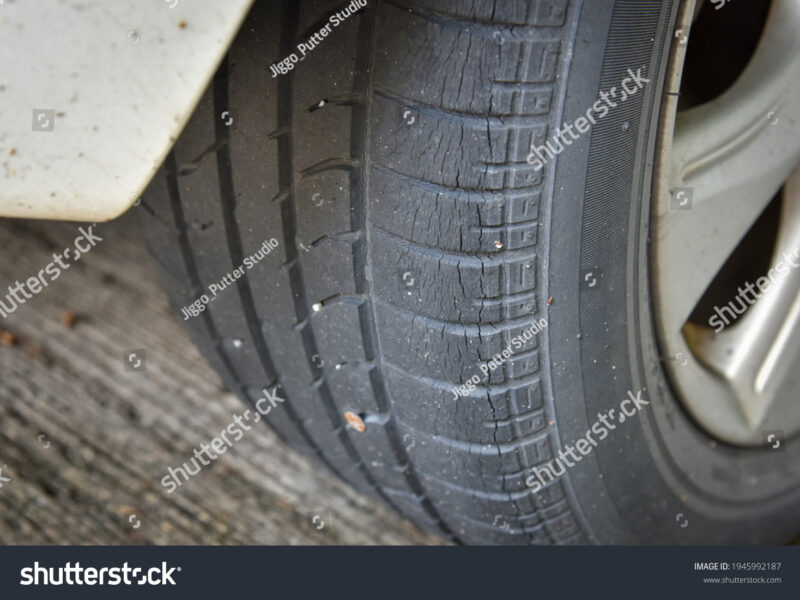
- Sidewall Damage: Look for cracks (dry rot), cuts, abrasions, bulges, or blisters on the sidewalls. These indicate structural compromise and can cause sudden blowouts.
- Irregular Tread Wear: Patterns like edge wear (inner or outer), center wear, or “cupping” can indicate underlying issues such as improper inflation, misalignment, or worn suspension components. This irregular wear decreases tire lifespan and can affect handling.
- Exposed Cords: If steel or fabric cords are visible beneath the tread, the tire is severely damaged and unsafe.
Performance Degradation: Subtle but Critical Signs
Changes in how your vehicle handles or sounds can also indicate tire problems.
- Vibrations and Noise: Increased vibrations through the steering wheel or chassis, or unusual noises emanating from the tires, can indicate imbalance, internal damage, or wear patterns.
- Pressure Loss: Frequent need to add air suggests a slow leak, possibly due to a puncture, valve issue, or damage to the tire or rim.
- Reduced Fuel Efficiency: Under-inflated or excessively worn tires increase rolling resistance, causing the engine to work harder and consume more fuel.
- Poor Wet Performance: A noticeable decrease in grip on wet roads, a higher risk of hydroplaning, or longer stopping distances are clear indicators that the tire tread is no longer effectively evacuating water.
What Factors Accelerate Tire Wear and Aging?
Several external factors and driver habits can significantly shorten a tire’s lifespan and compromise its performance.
| Factor | Impact on Tire Lifespan |
|---|---|
| Driving Habits | Aggressive acceleration, hard braking, and tight cornering generate excess heat and stress, accelerating tread wear. Speeding also contributes. |
| Road Conditions | Driving on rough surfaces, potholes, gravel roads, or debris can cause physical damage and hasten tread abrasion. |
| Environmental Exposure | Extreme temperatures (both hot and cold), prolonged exposure to direct sunlight (UV radiation), and significant temperature fluctuations can deteriorate rubber compounds over time, leading to aging and cracking. |
| Maintenance Practices | Lack of regular tire rotation, incorrect inflation pressure, and neglected wheel alignment can cause premature and uneven wear. |
| Tire Pressure | Under-inflated tires wear faster on the shoulders and generate excessive heat. Over-inflated tires wear faster in the center. Maintaining the recommended pressure by the manufacturer (found on the driver-side door frame label or owner’s manual) is essential. |
| Vehicle Load | Consistently exceeding the vehicle’s load capacity places undue stress on tires, leading to overheating and premature wear. |
| Tire Type | High-performance tires, often made from softer rubber compounds for superior grip, naturally have a shorter lifespan compared to all-season or touring tires. |
What Are the Current Market Trends and Replacement Costs for Tires?
The cost of tires can vary significantly based on numerous factors. Understanding these aspects can aid in budgeting and making informed purchasing decisions.
Average Tire Costs (as of early 2025):
| Tire Category | Price per Tire (USD) | Estimated Cost for a Set of Four (Installed) |
|---|---|---|
| Economy/Budget | $70 – $120 | $460 – $900 (for sedans/compacts) |
| Mid-Range | $120 – $200 | $700 – $1200 (for SUVs/crossovers) |
| Premium/High Performance | $200 – $400+ | $1200+ (for trucks/larger vehicles) |
Factors Influencing Tire Prices:
- Size: Larger diameter and wider tires, commonly found on SUVs, trucks, and high-performance vehicles, generally cost more.
- Type: Specialty tires such as off-road, winter, or ultra-high-performance options usually come at a higher price than standard all-season tires.
- Brand Reputation: Premium brands like Michelin, Bridgestone, and Continental often command higher prices due to perceived quality, technology, and durability.
- Performance Ratings: Tires with higher speed (e.g., V, W, Y) and load ratings are designed for demanding performance and, therefore, are more expensive.
- Labor and Auxiliary Costs: Professional installation typically adds between $25 and $31 per tire. Additional costs can include mounting, balancing, valve stems, pressure monitoring system (TPMS) sensor replacements (around $40 each if needed), and disposal fees for old tires ($2-$5 each).
Long-Term Value Considerations:
While premium tires carry a higher initial cost, they often provide better long-term value through prolonged tread life (e.g., 50,000-70,000 miles versus 30,000-40,000 miles for budget options) and superior performance features, which can contribute to better fuel economy and safety.
What Are the Best Practices for Tire Maintenance to Maximize Lifespan and Safety?
Proactive maintenance is key to ensuring that your tires last longer and perform optimally.
- Regular Tire Rotations: Rotating tires every 5,000 to 8,000 miles (or approximately every six months, often coinciding with oil changes) ensures more even tread wear across all four tires.
- Wheel Alignment and Balancing: Periodic checks and adjustments of wheel alignment and tire balancing are essential. Alignment prevents irregular wear and enhances handling, while balancing minimizes vibrations for a smoother ride and longer tire life.
- Consistent Inflating Pressure Checks: Check tire pressure at least monthly and before long trips, ensuring they are inflated to the manufacturer’s recommended pressure (PSI – pounds per square inch) when cold.
- Check the Spare Tire: Don’t forget about the spare! Regularly check its age, condition, and inflation pressure.
By understanding these technical indicators, wear factors, market prices, and best maintenance practices, drivers can make informed decisions about tire replacement, significantly improving safety and vehicle performance on the road.
FAQs
How often should I replace my tires?
It is generally recommended to replace your tires every 6-10 years, regardless of tread depth. Be sure to check manufacturer guidelines and the condition of your tires regularly.
What are the signs that indicate I need new tires?
Look for visible signs like tread wear indicators being level with the tread, sidewall damage, vibrations during drives, and reduced traction in wet conditions. Checking the age of the tires is equally important.
Can tire maintenance affect my vehicle’s performance?
Yes, properly maintained tires improve fuel efficiency, enhance safety, and ensure better handling. Neglecting maintenance can lead to quicker wear, lower gas mileage, and increased accident risk.
What should I do if my tires show signs of wear?
If you notice any signs of wear or damage, consult with a tire professional to assess whether you need a replacement or repairs.