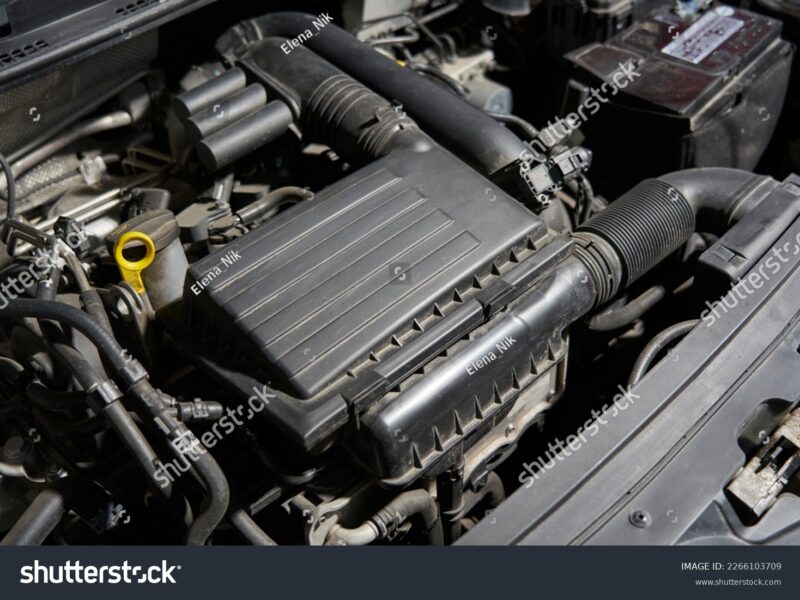
The car air filter, often referred to as the engine air filter, plays a crucial role in your vehicle’s air intake system. This small but mighty component prevents harmful airborne contaminants—such as dust, dirt, pollen, and debris—from entering the engine’s combustion chambers. By ensuring a steady supply of clean air, the air filter is essential for maintaining optimal engine performance, fuel efficiency, and prolonging the lifespan of your engine. It protects vital internal components from abrasive particles that can cause significant damage over time.
What Factors Influence Your Car Air Filter Replacement Interval?
When it comes to deciding how often to replace your car’s air filter, several critical factors can significantly affect its performance and longevity. While your vehicle’s owner’s manual provides baseline recommendations, actual driving conditions may require a more tailored approach.
- Driving Conditions: Vehicles driven in dusty environments—such as unpaved roads or construction zones—tend to accumulate contaminants on the filter much faster than those in clean urban settings. Stop-and-go city driving and high pollution levels can also accelerate filter clogging.
- Mileage: Manufacturers often suggest a replacement interval based on mileage, typically ranging from 12,000 to 15,000 miles. However, this is a general guideline; visual inspection remains essential. Some sources recommend extending intervals up to 30,000 or even 45,000 miles, depending on specific vehicles and driving conditions.
- Vehicle Age and Model: Each vehicle model and its design can influence the size and material of the filter, thereby affecting its usable life. It’s always best to consult your owner’s manual for the most accurate replacement schedule.
- Filter Material: The longevity and filtration capacity of the air filter depend significantly on the material used. Common options include paper (cellulose), foam, and cotton gauze, each offering distinct advantages.
Comparative Table: Driving Conditions vs. Recommended Car Air Filter Replacement Interval
| Driving Condition | Typical Replacement Interval (Miles/Months) | Rationale |
|---|---|---|
| Normal Driving (Urban/Suburban, Paved Roads) | 12,000 – 15,000 miles or 1 year | Standard accumulation of road dust and environmental particles. |
| Dusty/Off-Road Driving (Unpaved roads, construction, desert climates) | 3,000 – 5,000 miles or 3-6 months | High exposure to abrasive sand, dirt, and debris significantly reduces filter life. |
| Heavy Traffic/Polluted Areas (Dense city driving, industrial zones) | 5,000 – 7,500 miles or 6 months | Increased exposure to exhaust particulates and fine airborne pollutants. |
| Seldom Driven/Garage Kept | Annually, regardless of mileage | Filters can degrade over time and accumulate dust even with minimal use. |
How Do You Identify a Clogged Car Air Filter?
Identifying the signs of a clogged car air filter is vital to ensure timely replacement and prevent potential engine damage. Look out for the following symptoms that imply restricted airflow to the engine.
- Reduced Fuel Economy: A dirty air filter limits airflow, causing the engine to work harder and potentially consume more fuel to maintain power output. This impact is more pronounced in older carbureted engines.
- Decreased Engine Performance: If you notice sluggish acceleration, a significant drop in horsepower, or an overall lack of responsiveness when pressing the accelerator, it might be time to check the air filter.
- Unusual Engine Sounds: Coughing, popping, or spitting noises from the engine may indicate an unbalanced air-fuel mixture or misfires due to restricted airflow.
- Dark Exhaust Smoke: An overly rich air-fuel mixture resulting from insufficient air can lead to incomplete combustion, producing dark grey or black smoke from the exhaust.
- “Check Engine” Light Illumination: In modern vehicles, a severely clogged air filter may trigger the “Check Engine” light if the engine control unit detects an incorrect air-fuel ratio.
- Visibly Dirty Filter: Perform a visual inspection to check for dirt and debris accumulation. If light cannot pass through the filter when held up, it’s time for a replacement.
Are Expensive Air Filters Worth the Investment for Extended Intervals?
Investing in higher-priced car air filters—such as those made from cotton gauze or advanced synthetic materials—often means enhanced filtration efficiency, better airflow, and the potential for reusability. While standard paper filters are effective for OEM applications, premium filters can provide significant benefits for specific driving conditions. For a more in-depth analysis, check our article on the value of expensive air filters.
Cotton gauze filters, typically oiled, offer improved airflow and can be cleaned and reused, offsetting their higher upfront cost. Synthetic filters are known for superior filtration capabilities and durability. However, proper maintenance, including cleaning and oiling when necessary, is critical to prevent potential issues.
How Does a Dirty Air Filter Impact Engine Health and Fuel Efficiency?
A dirty air filter adversely affects engine health and fuel efficiency by disrupting the air-fuel mixture and allowing harmful particles into the engine. Engines require a precise balance of air and fuel for complete combustion.
When clogged, the air filter restricts the clean air reaching the combustion chambers, creating an “over-rich” air-fuel mixture (too much fuel, not enough air). This imbalance results in incomplete combustion, decreasing engine power and increasing fuel consumption as the engine compensates. Over time, this can lead to carbon deposits on spark plugs, causing misfires and rough idling. Additionally, a compromised filter permits abrasive contaminants to enter the engine, leading to premature wear on critical components and ultimately shortening the engine’s lifespan.
What are the Steps for Checking and Replacing Your Car’s Air Filter?
Checking and replacing your car’s air filter is a simple maintenance task that most car owners can easily perform. Start by locating the air filter housing, usually a black plastic box in the engine bay, often positioned next to the engine. The housing is secured by clips or screws; carefully disengage these to access the filter. Remove and inspect the old filter for dirt and debris. Place a new, clean filter in the correct orientation, then resecure the housing. For detailed instructions, refer to our complete air filter installation guide.
Frequently Asked Questions About Car Air Filter Replacement
How often should I change my car’s air filter if I drive in dusty conditions?
For those regularly driving in dusty environments—such as unpaved roads or construction areas—inspecting your air filter more frequently is advisable. Expect to replace it every 3,000 to 5,000 miles or every 3 to 6 months. In contrast, typical driving conditions usually allow for a 12,000 to 15,000-mile or annual replacement schedule; however, harsh conditions speed up contamination.
Can a dirty air filter affect my car’s fuel economy?
Absolutely! A dirty air filter can significantly impact your car’s fuel economy. While modern fuel-injected vehicles equipped with advanced engine control units can somewhat compensate for airflow restrictions, a severely clogged filter forces the engine to work harder, resulting in an over-rich air-fuel mixture and increased fuel consumption. Older carbureted vehicles, however, experience a more notable drop in fuel economy. Studies demonstrate reductions of 2-6% in modern cars and 6-11% in carbureted engines with dirty filters.
Is it possible to clean a car air filter instead of replacing it?
Certain car air filters, specifically those made from cotton gauze or particular foam materials, are indeed designed to be cleaned and reused. These filters require specific cleaning solutions and re-oiling processes. However, most standard paper air filters are not suitable for cleaning. Attempting to clean them can damage their filtration media, diminishing their effectiveness and allowing contaminants into the engine. As such, replacement is the recommended course of action for paper filters.