Choosing the right car battery is crucial for ensuring reliable vehicle performance, especially in extreme weather or high electrical demand situations.
What Types of Car Batteries Are Available?
There are several types of car batteries on the market, each designed to meet specific vehicle requirements. Understanding these can help narrow down your options significantly.
- Lead-Acid Batteries: The most common type and generally the least expensive, lead-acid batteries are robust but may struggle in cold climates. Typical prices range from $70 to $120.
- AGM (Absorbent Glass Mat) Batteries: More expensive than lead-acid at approximately $150 to $300, AGM batteries offer advanced technology, enhanced vibration resistance, and can be installed in various positions.
- Gel Batteries: These function similar to AGM but use a gelled electrolyte. While they excel in extreme temperatures, they are sensitive to overcharging and often cost more than AGM batteries.
- Lithium Batteries: Featuring a compact design and lightweight build, lithium batteries offer higher energy density and longevity but come with a high price tag and specific charging requirements.
What Key Technical Specifications Should You Consider?
When evaluating batteries, understanding the specifications that impact performance is vital:
- Capacity (Ah): Amperage-hours indicates how long the battery can supply power. For example, a battery rated at 60 Ah can discharge 1 amp for 60 hours.
- Cold Cranking Amps (CCA): This measure is pivotal for cold weather as it illustrates the battery’s power reserve to start the engine in low temperatures.
- Reserve Capacity (RC): This metric indicates how long a battery can supply current before being fully discharged; essential when the car’s alternator fails.
- Voltage: Most vehicles operate on 12-volt batteries, a standard that should be met by any battery you consider.
Which Brands Are Highly Recommended for Car Batteries?
Several brands are recognized for their reliability and performance when it comes to car batteries:
- Optima: Known for their red and yellow top batteries, renowned for durability and performance.
- DieHard: Offers a range of options that balance performance and affordability.
- Interstate Batteries: A longstanding choice among consumers, with a wide distribution network and solid warranties.
- Exide: Known for reliability and a diverse lineup.
- Bosch: Backup with innovative technology, also offers high-performance batteries.
Comparative Analysis of Battery Types and Costs
| Battery Type | Typical Price Range | Weight | Advantages | Disadvantages |
|---|---|---|---|---|
| Lead-Acid | $70 – $120 | Heavy | Reliable and durable | Poor performance in cold |
| AGM | $150 – $300 | Moderate | Vibration resistant | High cost |
| Gel | $150 – $250 | Moderate | Temperature tolerant | Overcharging sensitive |
| Lithium | $500+ | Lightweight | High energy density | Charging specificity |
What Should I Consider for My Specific Needs?
Assess your vehicle’s electrical demands and climate conditions when selecting a new battery. If you frequently rely on electronic accessories, opt for a battery with a higher Ah rating. A battery with high CCA is ideal for colder regions, ensuring reliable engine starts during winter.
Furthermore, if you often drive in rugged terrains, consider buying a battery with excellent vibration resistance, like an AGM model. Always consult your vehicle’s manual for battery specifications and requirements.
How to Maintain Your Car Battery for Longevity?
Proper maintenance extends your battery life. Ensure terminals remain clean and corrosion-free. Regularly check the electrolyte levels in non-sealed batteries, and secure the battery to prevent damage from vibrations. By following basic maintenance tips, you can maximize your battery’s performance and lifespan.
FAQs
What is the average lifespan of a car battery?
The average lifespan of a car battery is typically between 3 to 5 years, depending on usage and environmental conditions. Drivers in hotter climates may notice a shorter lifespan due to increased heat, which can accelerate battery wear.
How can I tell if my car battery needs replacing?
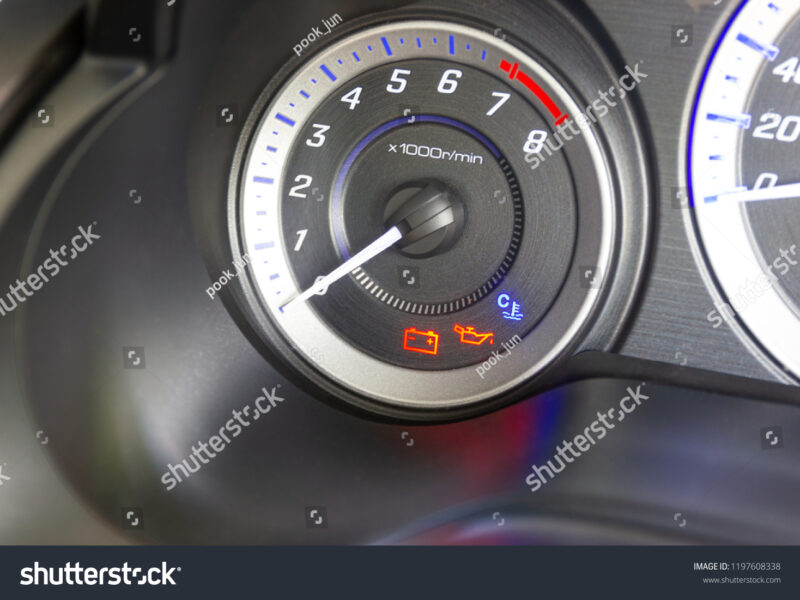
Signs include slow engine cranking, dim headlights, or a battery warning light on your dashboard. Additionally, if your battery is over three years old and shows performance issues, it’s advisable to test it or consider a replacement.
What battery is best for cold weather starting?
Batteries with higher Cold Cranking Amps (CCA) ratings are best for cold weather. A rating of 600 CCA or more is recommended for vehicles driven in cold climates.
Should I choose an AGM battery or a regular lead-acid battery?
If your vehicle has several electronic features or operates in demanding conditions, an AGM battery is advisable due to its greater durability and vibration resistance. However, for basic needs, a lead-acid battery may be sufficient and more budget-friendly.
How often should I check my car battery?
It’s recommended to check your car battery at least twice a year, especially before winter and summer seasons, to ensure it remains in optimal condition.
Top 5 Maintenance Tips for Your Electric Vehicle
Essential Winter Brake Pads: Ensure Your Safety This Season
Is Your Car Radiator Failing? Key Symptoms and Troubleshooting Guide
Maximizing Your EV Battery Life: Essential Maintenance Tips for Longevity
Top-Rated All-Season Tires for SUVs: Performance, Durability, and Value
Cost-Effective Ways to Maintain Your Vehicle
How Often Should You Rotate Your Tires?
Top 5 Tires for Electric Vehicles in 2023
When Should You Replace Your Brake Rotors?
Essential Tips for Prolonging Your Car Battery Life