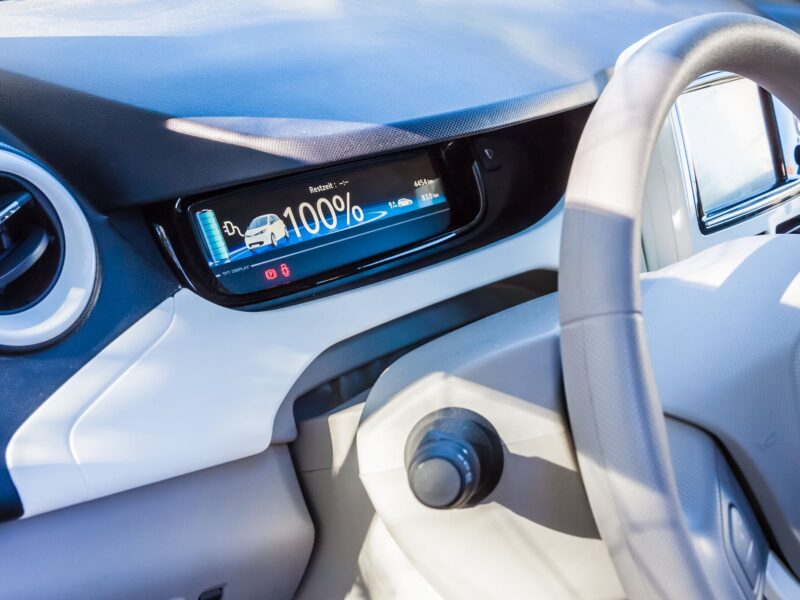
Mastering cost-effective vehicle maintenance is not merely about saving money; it is a strategic approach to maximizing automotive longevity and preserving resale value. This guide provides data-driven, actionable strategies to minimize your annual vehicle expenditure, moving beyond generic advice to offer specific, citable recommendations for both internal combustion engine (ICE) and electric vehicles (EVs).
Adhering to a meticulous maintenance schedule can significantly reduce the probability of catastrophic failures, which often entail repair costs exceeding $1,000 for components like transmissions or engine rebuilds. Proactive care ensures that minor issues are addressed before escalating into major, budget-straining repairs, optimizing your vehicle’s operational efficiency.
What Are the Core Components for Cost-Effective Vehicle Maintenance?
Effective vehicle maintenance hinges on the diligent care of several critical systems: the engine, transmission, battery, tires, and brakes. Each component demands specific attention, with adherence to manufacturer-specified service intervals being paramount for both performance and long-term financial savings.
For instance, an engine oil change, utilizing a high-quality synthetic oil like Mobil 1 Extended Performance and a premium filter such as a Bosch D3330, typically costs between $45 and $80 for parts if performed DIY, versus $75-$125 at a professional service center. Regular changes, ideally every 7,500 to 10,000 miles for modern synthetics, prevent premature engine wear and significantly extend the engine’s operational life.
Similarly, monitoring transmission fluid levels and quality is crucial. Replacing transmission fluid can range from $150 to $400, depending on the vehicle’s make and model (e.g., a Honda Civic’s fluid change might be $200, while a BMW’s could exceed $350). Neglecting this can lead to transmission failure, often incurring repair costs upwards of $2,500 to $5,000, underscoring the value of preventative action.
How Can Proactive Tire Management Significantly Reduce Costs?
Tire maintenance is one of the most impactful, yet frequently overlooked, areas for substantial cost savings. Proper tire inflation alone, maintained at the manufacturer’s recommended PSI (e.g., 32-35 PSI for most passenger vehicles), can improve fuel efficiency by up to 3% and extend tire life by 4,700 miles, as per Department of Energy estimates.
Regular tire rotation, typically recommended every 6,000 to 8,000 miles or with every oil change, ensures even tread wear across all four tires. This practice can extend the overall lifespan of a set of tires by 10,000-15,000 miles, deferring the significant expense of new tires, which can range from $600 to $1,200 for a set of four quality all-season tires like Michelin Defender LTX M/S.
Furthermore, wheel alignment checks, advisable annually or after any significant impact, prevent uneven tire wear and improve vehicle handling. A proper alignment, costing approximately $80-$150, can prevent premature tire replacement due to camber or toe issues, saving hundreds of dollars in tire costs over the vehicle’s lifespan.
What Specific DIY Practices Offer Substantial Savings on Vehicle Upkeep?
Embracing specific do-it-yourself (DIY) maintenance tasks can yield significant financial savings over professional service fees. For instance, replacing your engine air filter, a task taking less than 15 minutes, costs approximately $15-$30 for a premium filter like a K&N or Fram, compared to a garage charge of $40-$70 for parts and labor.
Similarly, replacing cabin air filters, crucial for interior air quality, costs about $20-$40 for a quality filter (e.g., Bosch HEPA filter) and can be done in 10-20 minutes, whereas a dealership might charge $70-$100. Over a five-year period, performing these two tasks yourself can save over $300.
Other accessible DIY tasks include checking and topping off fluid levels (coolant, power steering, brake fluid), inspecting wiper blades (replacement cost: $20-$40 for a pair of Bosch Icon blades vs. $60-$80 professionally), and ensuring all exterior lights are functioning. These small, consistent efforts prevent larger issues and contribute to overall vehicle health, aligning with regular maintenance practices that are crucial for ensuring each component operates effectively.
How Do Electric Vehicle Maintenance Costs Compare to Traditional Vehicles?
The maintenance landscape for electric vehicles (EVs) presents a distinct advantage in terms of cost-effectiveness compared to traditional internal combustion engine (ICE) vehicles. As highlighted in our article, Understanding the True Costs of Electric Vehicle Maintenance in 2026, average EV maintenance costs in 2026 are projected to range from $300 to $600 annually.
This is significantly lower than the estimated average annual maintenance costs for ICE vehicles, which typically range from $800 to $1,200, influenced by factors such as engine complexity, oil changes, and exhaust system upkeep. The absence of traditional engine oil, spark plugs, timing belts, and complex exhaust systems in EVs eliminates numerous costly service items.
EV maintenance primarily focuses on key components such as the battery health, tire replacements (often more frequent due to higher torque and vehicle weight), brake servicing (less frequent due to regenerative braking), and software updates. For comprehensive guidance, consult Essential Maintenance Tips for Electric Vehicles to maximize the lifespan and efficiency of your EV.
| Maintenance Type | Traditional ICE Vehicle (Annual Est.) | Electric Vehicle (EV) (Annual Est.) | Key Contributing Factors |
|---|---|---|---|
| Routine Servicing (Oil, Filters, Fluids) | $200 – $400 | $50 – $100 (No oil, cabin/air filters) | Oil type, filter quality, labor rates vs. minimal fluid checks |
| Brake System Maintenance | $150 – $300 | $50 – $150 (Regenerative braking reduces wear) | Pad/rotor replacement frequency, fluid flushes |
| Tire Rotation, Balance, Alignment | $80 – $150 | $80 – $200 (Higher torque, heavier vehicles) | Service frequency, tire type, vehicle weight distribution |
| Major Component Replacements (e.g., spark plugs, timing belt) | $150 – $350 (Average over lifespan) | $0 (Not applicable) | Engine complexity, specific manufacturer intervals |
| Software/Diagnostic Updates | $0 – $50 (Often bundled) | $50 – $100 (Crucial for performance, often OTA) | Manufacturer policy, diagnostic complexity |
| Total Estimated Annual Cost (2026) | $800 – $1,200 | $300 – $600 |
In conclusion, adopting a proactive and informed approach to vehicle maintenance is the most effective strategy for long-term savings. By understanding specific service intervals, leveraging DIY opportunities, and recognizing the inherent cost efficiencies of modern electric vehicles, owners can significantly reduce their automotive expenditure.
These detailed strategies, from meticulous fluid management to precise tire care, ensure not only a reduction in immediate out-of-pocket expenses but also contribute to the sustained reliability and higher resale value of your investment. Prioritize these practices to maintain your vehicle with unparalleled cost-effectiveness.
Frequently Asked Questions About Cost-Effective Vehicle Maintenance
What is the optimal interval for an oil change to maximize cost-efficiency?
For most modern internal combustion engine (ICE) vehicles using synthetic oil, the optimal interval for an oil change to maximize cost-efficiency is typically every 7,500 to 10,000 miles, or annually, whichever comes first. Adhering to manufacturer specifications, often found in your owner’s manual (e.g., 7,500 miles for a Toyota Camry or 10,000 miles for a Mercedes-Benz), ensures engine longevity and avoids unnecessary premature changes, saving an average of $75-$125 per service.
How much can I save annually by performing basic DIY vehicle maintenance?
By consistently performing basic DIY vehicle maintenance tasks such as engine air filter replacement, cabin air filter replacement, wiper blade changes, and fluid checks, an average vehicle owner can save approximately $200-$400 annually. For instance, replacing both air filters and wiper blades yourself costs about $75-$100 in parts, compared to professional service charges exceeding $200 for the same tasks, demonstrating a clear financial advantage.
Are electric vehicles truly more cost-effective to maintain than gasoline cars?
Yes, electric vehicles (EVs) are demonstrably more cost-effective to maintain than gasoline cars. In 2026, average EV maintenance costs are projected to be $300-$600 annually, significantly lower than the $800-$1,200 for traditional ICE vehicles. This saving is primarily due to fewer moving parts, the absence of oil changes, and reduced brake wear thanks to regenerative braking, leading to a substantial reduction in routine service expenses over the vehicle’s lifespan.