Electric vehicles (EVs) represent a paradigm shift in automotive engineering, offering reduced emissions and often lower operational costs compared to internal combustion engine (ICE) vehicles. However, dismissing the necessity of structured maintenance for EVs would be a critical oversight. While EVs boast fewer moving parts, they possess highly sophisticated systems that demand specific, proactive care to ensure optimal performance, extended lifespan, and preserved resale value. This comprehensive guide outlines the essential maintenance tips for electric vehicles, focusing on data-driven strategies and component-specific recommendations that transcend generic advice.
Adhering to a meticulous maintenance regimen for your electric vehicle is paramount for maximizing its longevity and efficiency. Proactive measures not only safeguard your investment but also optimize critical systems like the high-voltage battery and regenerative braking. Studies project annual maintenance costs for electric vehicles to range from $300 to $600, a significant advantage over the $400 to $800 typical for gasoline or diesel vehicles. This cost efficiency is largely attributable to the absence of traditional engine oil changes, spark plug replacements, and complex exhaust system upkeep. Understanding these nuances is crucial for any EV owner aiming for peak performance and long-term savings, as further detailed in our analysis of Understanding the True Costs of Electric Vehicle Maintenance in 2026.
What are the Core Principles of EV Battery Maintenance?
First and foremost, high-voltage battery maintenance is vital since it directly affects the vehicle’s range, charging efficiency, and overall functionality. While the provided data suggests annual maintenance costs for batteries ranging from $100 to $250, improper upkeep can lead to premature wear and a significant reduction in lifespan. Lithium-ion battery degradation affects most EV batteries by approximately 2-3% annually under typical driving conditions, which emphasizes the critical importance of regular inspections and preventative measures. For instance, a Tesla Model 3 Long Range battery, initially rated at 75 kWh, could experience a reduction of 1.5-2.25 kWh per year if not properly managed, directly impacting its usable range. Comprehensive strategies for mitigating this degradation are extensively covered in our article on Maximizing Your EV Battery Life: Essential Maintenance Tips for Longevity.
One highly effective maintenance technique is performing a visual inspection of the battery pack for any signs of physical damage, leaks from the thermal management system, or corrosion on the 12V auxiliary battery terminals, which can impede electricity flow and even lead to system faults. It’s also crucial to keep the battery housing clean and dry, preventing accumulation of debris or moisture that could compromise electrical connections or insulation. Monitoring the battery’s temperature range is absolutely essential; ideally, modern lithium-ion batteries, such as those found in a Porsche Taycan or a Rivian R1T, should consistently operate within a narrow band of 20°C to 25°C (68°F to 77°F) for optimal performance and maximum longevity. Deviations outside this range, particularly prolonged exposure to temperatures above 45°C (113°F) or below -10°C (14°F) during charging or aggressive driving, can accelerate internal chemical degradation and permanently reduce capacity. Many EVs feature sophisticated Battery Management Systems (BMS) that actively manage thermal conditions, but owners should be aware of factors that can strain these systems, such as frequent DC fast charging in extreme heat.
How Do Optimal Charging Habits Preserve EV Battery Lifespan?
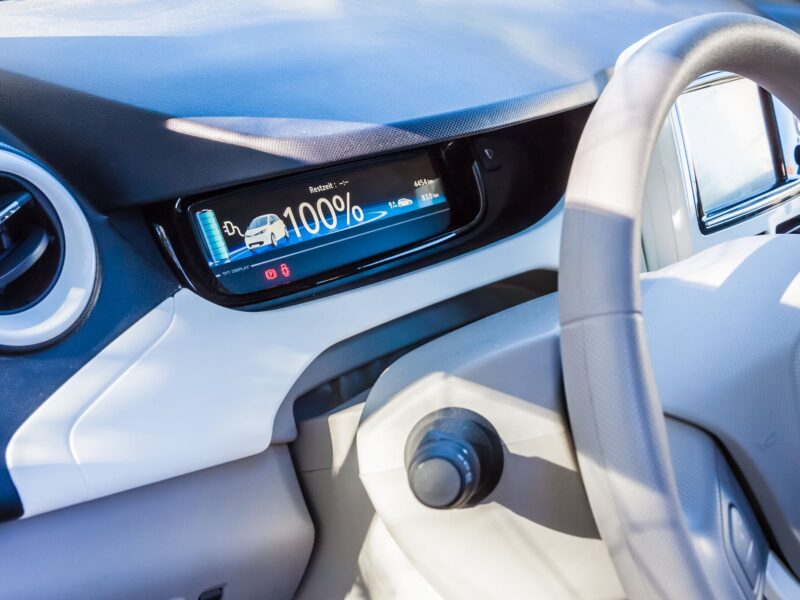
Optimizing charging habits is one of the most impactful strategies for extending an EV battery’s lifespan and maintaining its rated capacity over time. For daily use, it is generally recommended to keep the state of charge (SoC) of a lithium-ion battery between 20% and 80%. This avoids the high-stress states of full charge (100%) and deep discharge (below 20%), which can induce greater electrochemical strain and accelerate degradation. For example, a Nissan Leaf owner who consistently charges to 80% for commuting will likely observe slower degradation rates over five years compared to an owner who routinely charges to 100%, even if both drive similar mileages. Most modern EVs, including the Hyundai Kona Electric and Kia EV6, allow users to set charging limits through their infotainment systems or companion mobile apps, making adherence to this recommendation straightforward.
For long-term storage, especially if the vehicle will be inactive for several weeks or months, maintaining the battery’s charge level around 50% is crucial. This specific percentage minimizes internal stress and self-discharge rates, preventing both over-discharge and prolonged high-charge states that can be detrimental. Storing an EV like a Ford Mustang Mach-E at 100% charge for an extended period, particularly in warm climates, can lead to measurable capacity loss more quickly than storing it at 50%. Additionally, parking the vehicle in a climate-controlled environment, if possible, further protects the battery from extreme ambient temperatures, which, as previously noted, are significant contributors to accelerated battery degradation. Understanding and implementing these specific charging protocols is a cornerstone of effective EV maintenance, contributing directly to the 8 to 10 years or 100,000 miles typically covered by an average electric car battery warranty.
What Specific Considerations Apply to EV Tire Maintenance?
Tire maintenance for electric vehicles ensures both safety and energy efficiency, with costs for rotations typically between $50 to $100 every 5,000 to 10,000 miles, depending on the service provider and region. EV-specific tires are not merely a marketing ploy; they are crucial due to the distinctive weight distribution, instantaneous torque characteristics, and often higher gross vehicle weight (GVW) of electric vehicles. For instance, heavier models such as the Tesla Model 3 and Audi e-tron often require tires with higher load ratings and specialized compounds that can support their additional battery weight while delivering efficient energy use through reduced rolling resistance. Brands like Michelin with their e.Primacy series and Goodyear with the ElectricDrive GT offer tires specifically engineered to meet these demands, featuring lower rolling resistance for improved range and enhanced durability to withstand higher torque outputs, which can otherwise accelerate wear on conventional tires. This specialized engineering directly impacts both performance and the intervals between tire replacements, making the correct tire choice a fundamental aspect of EV upkeep.
Beyond selecting the appropriate EV-specific tires, diligent monitoring of tire pressure, regular rotations, and precise wheel alignments are paramount. The recommended tire pressure for EVs, often specified on a placard inside the driver’s door jamb, must be strictly adhered to; a deviation of even 5 PSI from the manufacturer’s recommendation can significantly impact range efficiency and tire wear. For example, underinflated tires on a Chevrolet Bolt EUV can reduce its 259-mile EPA estimated range by 5-10%, translating to a loss of 13 to 26 miles. Tire rotations, typically performed every 5,000 to 7,500 miles or according to the vehicle manufacturer’s schedule (e.g., Tesla recommends every 6,250 miles), ensure even tread wear across all four tires, prolonging their overall lifespan. Furthermore, due to the rapid acceleration capabilities and heavier curb weight of EVs, wheel alignment should be checked more frequently than with ICE vehicles, ideally every 15,000 to 20,000 miles or if any uneven tire wear is observed, to prevent premature tire degradation and maintain optimal handling dynamics.
Why is Brake System Maintenance Different for EVs?
The braking system in an electric vehicle operates distinctly from traditional ICE vehicles, primarily due to the integration of regenerative braking. This system, which converts kinetic energy back into electrical energy to recharge the battery during deceleration, significantly reduces the mechanical wear on friction brake components (pads, rotors, calipers). For example, a typical EV driver might only use their friction brakes for the final 10-20% of their braking events, largely relying on regenerative braking for the majority of deceleration. This can extend the lifespan of brake pads and rotors by two to three times compared to an ICE vehicle, with some EV owners reporting over 100,000 miles on their original pads and rotors, whereas ICE vehicles often require replacement every 30,000 to 60,000 miles.
Despite the reduced wear, it is crucial not to neglect the conventional hydraulic brake system. Regular inspections, ideally every 12 months or 12,000 miles, are still necessary to check for rust accumulation on rotors (especially in regions with high humidity or road salt), ensure proper caliper function, and verify adequate brake fluid levels and quality. Brake fluid, a hygroscopic substance, absorbs moisture over time, which can lower its boiling point and compromise braking performance. Manufacturers such as BMW (for its iX models) and Volkswagen (for its ID.4) typically recommend brake fluid replacement every two years, irrespective of mileage, to maintain optimal system integrity and safety. Proper brake maintenance ensures that the friction brakes are ready to perform effectively in emergency situations, complementing the primary regenerative braking system.
What Role Does the Cooling System Play in EV Maintenance?
The cooling system in an electric vehicle is a sophisticated thermal management network crucial for the longevity and performance of its most vital components: the high-voltage battery pack and the electric motor(s). Unlike ICE vehicles that primarily cool the engine, EVs manage the temperature of the battery, motor, and power electronics (such as the inverter and onboard charger). Maintaining the battery within its optimal temperature range (20°C to 25°C) prevents accelerated degradation, especially during fast charging or high-performance driving. A properly functioning cooling system in an EV like a Lucid Air or a Tesla Model S ensures that these critical components operate efficiently, preventing overheating that can lead to power reduction, reduced range, and long-term damage.
Maintenance of this system typically involves checking the coolant levels and its quality, along with inspecting hoses, pumps, and radiators for any signs of leaks, blockages, or wear. Most EV manufacturers specify a unique coolant designed for electrical systems, often a specialized ethylene glycol or propylene glycol blend that provides both cooling and corrosion protection. The replacement interval for EV coolant varies by manufacturer but can range from every 50,000 miles to 100,000 miles, or every five to ten years. For example, a Hyundai Ioniq 5 might have a different coolant service schedule than a Polestar 2. Ignoring these intervals can lead to diminished cooling efficiency, potentially triggering thermal throttling of the battery or motor, impacting vehicle performance, and significantly shortening the lifespan of expensive components. Regular professional inspection of the thermal management system is therefore a non-negotiable aspect of comprehensive EV maintenance.
Essential EV Maintenance Schedule: A Comparative Overview
Maintaining an electric vehicle involves specific tasks distinct from gasoline-powered cars, often resulting in lower overall costs but requiring attention to specialized components. The following table provides a general overview of essential maintenance tasks for EVs, outlining typical frequencies and estimated costs, drawing comparisons where relevant to traditional ICE vehicles.
| Maintenance Task | Recommended Frequency (EV) | Estimated Cost (EV) | Notes & ICE Comparison |
|---|---|---|---|
| High-Voltage Battery Health Check | Annually or every 12,000 miles | $0 – $150 (diagnostic) | Crucial for longevity. No direct ICE equivalent. |
| Tire Rotation & Inspection | Every 5,000 – 7,500 miles | $50 – $100 | Similar to ICE, but EV-specific tires often higher initial cost due to specialized compounds. |
| Brake System Inspection | Every 12 months or 12,000 miles | $80 – $150 | Pads/rotors last 2-3x longer than ICE due to regenerative braking. |
| Brake Fluid Replacement | Every 2 years | $100 – $200 | Similar to ICE vehicles, critical for safety. |
| Coolant for Thermal Management System Check/Flush | Check annually; Flush every 50,000 – 100,000 miles or 5-10 years | $150 – $400 (flush) | Unique to EVs, crucial for battery/motor health. Replaces ICE engine coolant. |
| 12V Auxiliary Battery Check | Annually or every 12,000 miles | $0 – $50 (diagnostic) | Powers accessories and pre-boot. Similar check to ICE, but less prone to starter strain. |
| Cabin Air Filter Replacement | Annually or every 15,000 – 20,000 miles | $40 – $100 | Identical to ICE vehicles, important for air quality. |
| Software/Firmware Updates | As released (often Over-The-Air) | Typically Free | Enhances performance, range, and features. No direct ICE equivalent beyond infotainment. |
| Charging Port/Cable Inspection | Monthly (visual) | $0 (visual) | Ensures safe and efficient charging. No ICE equivalent. |
What is the Importance of the 12V Auxiliary Battery in an EV?
While the high-voltage battery powers the EV’s propulsion, the 12V auxiliary battery plays a critical, often overlooked, role in the vehicle’s operation. This smaller battery, similar to those found in ICE vehicles, is responsible for powering all the low-voltage electronics, including the infotainment system, lights, power windows, central locking, and the vehicle’s computer systems (ECUs) that initiate the start-up sequence. Without a functional 12V battery, the high-voltage system cannot be engaged, effectively “bricking” the vehicle even if the main battery is fully charged. For instance, a Tesla Model S or a Volkswagen ID.4 relies on its 12V battery to wake up its systems before the high-voltage contactors close, allowing the vehicle to drive. Regular attention to this component can prevent unexpected breakdowns, as highlighted in our guide on Essential Car Battery Maintenance Tips for Longer Life and Reliability.
Maintenance for the 12V auxiliary battery mirrors that of a conventional car battery. This involves periodic visual inspections for signs of corrosion on the terminals, ensuring connections are clean and tight, and checking the battery’s voltage output. A healthy 12V battery should typically read above 12.6 volts when the vehicle is off. While less prone to the heavy starter motor drain of an ICE vehicle, the 12V battery in an EV still experiences discharge cycles and can degrade over time, especially with frequent short trips or prolonged periods of inactivity. Many EVs will provide warnings on the dashboard when the 12V battery health is declining, often prompting replacement every 3-5 years, similar to ICE vehicle schedules. Proactive monitoring and replacement of this relatively inexpensive component can prevent the inconvenience and potential towing costs associated with a dead 12V battery.
How Do Software Updates Impact EV Performance and Maintenance?
Software and firmware updates are not merely aesthetic enhancements in electric vehicles; they are fundamental to maintaining and even improving the vehicle’s performance, efficiency, safety, and overall functionality. Modern EVs, such as those from Rivian, Lucid, and Tesla, are essentially computers on wheels, and their capabilities are heavily influenced by the underlying software. Over-the-air (OTA) updates, a hallmark of many advanced EVs, can introduce new features, optimize battery thermal management algorithms, refine regenerative braking characteristics, enhance motor control for improved power delivery, and even patch security vulnerabilities. For example, a software update might extend a vehicle’s range by optimizing energy consumption during specific driving conditions or improve charging speeds by fine-tuning the battery’s acceptance rates. These improvements are often delivered seamlessly to the owner, much like a smartphone update, without requiring a dealership visit.
Beyond performance enhancements, software updates are critical for addressing potential issues and ensuring the long-term reliability of complex EV systems. Manufacturers often push updates to correct bugs, improve diagnostic capabilities, or even recall specific functionalities that might have safety implications. Owners are strongly encouraged to accept and install these updates promptly, as deferring them can lead to suboptimal performance, missed safety improvements, or even system incompatibilities. While most updates are OTA, certain critical updates or hardware-related issues may still necessitate a visit to an authorized service center. Therefore, staying informed about manufacturer announcements and regularly checking for available updates through the vehicle’s infotainment system or associated mobile app is an integral, yet often passive, aspect of essential EV maintenance.
What is the Correct Way to Maintain EV Charging Ports and Cables?
The charging port and associated cables are the primary interface between your EV and its power source, making their proper maintenance crucial for safe, efficient, and reliable charging. Neglecting these components can lead to slow charging, connection failures, or even electrical hazards. A fundamental maintenance tip involves regular visual inspections of the charging port on the vehicle and the connectors on both ends of your charging cables. Look for any signs of physical damage such as cracks, bent pins, discoloration from overheating, or foreign objects lodged within the port. For example, a bent J1772 or CCS pin on a Chevrolet Bolt’s charging port could prevent successful charging or create a short circuit.
Beyond visual checks, keeping the charging port and cables clean and dry is paramount. Dust, dirt, and moisture can compromise electrical connections and increase resistance, potentially leading to overheating during charging. Use a dry, clean cloth to gently wipe down the port and cable connectors. Avoid using water or harsh chemicals. When not in use, always store charging cables properly, either coiled neatly in the vehicle’s designated storage area or hung on a wall mount, to prevent kinking, tripping hazards, or damage from being run over. Protecting the charging cable from direct sunlight and extreme temperatures also helps prolong its lifespan. Furthermore, always ensure that the charging connector is fully seated and latched into the vehicle’s port before initiating a charge, as a loose connection can lead to arcing and damage to both the vehicle’s port and the charging cable itself.
In conclusion, essential maintenance tips for electric vehicles extend beyond simply ‘plugging it in.’ From diligent battery thermal management and optimized charging protocols to specialized tire care and proactive software updates, a comprehensive approach ensures the longevity, efficiency, and safety of your EV. While the projected annual maintenance costs for electric vehicles remain significantly lower than their internal combustion engine counterparts, proactive engagement with these specific maintenance practices is crucial. By adhering to manufacturer-recommended schedules and understanding the unique needs of EV components, owners can maximize their vehicle’s investment, reduce long-term operational costs, and confidently contribute to a sustainable automotive future. For additional strategies on minimizing overall vehicle expenditure, consult our guide on Cost-Effective Ways to Maintain Your Vehicle.