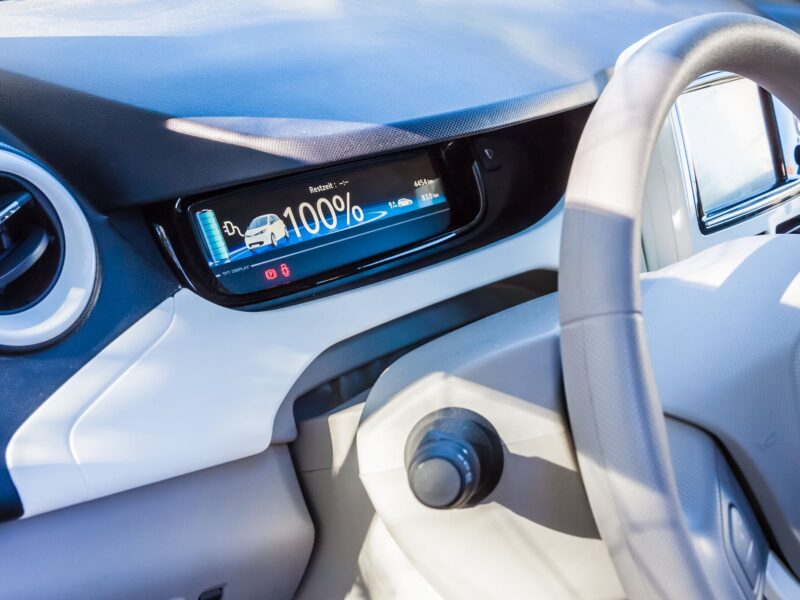
Electric Vehicle Maintenance Tips are vital for ensuring the longevity and efficiency of your EV. Below are the essential maintenance tips to keep your electric vehicle in optimal condition.
1. How to Verify Your EV Battery System?
The battery system is the heart of any electric vehicle. Most EVs utilize lithium-ion batteries, which typically last between 8 to 15 years. To ensure maximum efficiency, you should regularly check the battery’s charge capacity, voltage levels, and operating temperature.
Maintaining the battery’s charge between 20% and 80% can significantly extend its life. Failure to adhere to these guidelines may lead to a costly battery replacement, which averages between $5,000 and $15,000, depending on the vehicle model.
The performance and longevity of the battery can be impacted by factors such as temperature extremes and charging habits, so it’s crucial to monitor these aspects closely.
2. Why is Software Update Crucial for Electric Vehicles?
Electric vehicles frequently come equipped with sophisticated software that controls everything from navigation to battery management. Many manufacturers, such as Tesla, offer over-the-air (OTA) updates that can enhance the vehicle’s performance and introduce new features.
Regular checks for software updates are essential. While most updates are free, there may be costs for additional premium features. Keeping software updated ensures that the vehicle’s systems are running optimally and securely.
3. How to Review Electric Vehicle Brake Systems?
Electric vehicles often use regenerative braking, which helps recharge the battery while slowing down, consequently reducing wear on brake pads. However, it’s still vital to perform regular inspections on brake fluid and the braking system.
Typically, brake pads in electric vehicles need to be replaced less frequently, around every 30,000 to 50,000 kilometers. The cost for brake pad replacement varies, ranging from $150 to $300, depending on the vehicle model and service location.
4. What Role Does Tire Maintenance Play in EV Care?
Tires are particularly crucial for electric vehicles since they directly affect energy efficiency and range. It’s recommended to routinely check tire pressure, tread depth, and overall condition. Electric vehicles often require specific tire types, which can range in cost from $400 to $1,200 for a complete set.
Regular tire rotations every 5,000 to 8,000 miles can enhance performance and prolong tire life. It’s also critical to balance the tires to prevent uneven wear and maximize efficiency.
5. How to Manage the EV Cooling System?
The cooling system in electric vehicles is vital for maintaining optimal battery temperatures. Poor cooling can lead to reduced performance and lifespan of the battery. Regularly check the coolant levels and look for any signs of leaks or contamination.
Repairs or replacements of coolant systems can be costly, ranging from $300 to $1,000, making preventative checks more economical. Ensure that the cooling system functions correctly to avoid expensive repairs later.
6. What Preventive Measures Are Essential for Electric Motors?
Unlike traditional combustion engines, electric motors require minimal maintenance. However, it’s important to inspect connectors and wiring for corrosion. Regular checks can prevent unforeseen failures and ensure the motors are operating efficiently.
Periodic maintenance, such as checking the insulation and bearings, should not be overlooked, even though electric motors are considered lower maintenance.
7. How to Optimize Charging Practices?
An important element of electric vehicle maintenance is developing efficient charging habits. A Level 2 home charger can significantly expedite the charging process and is often recommended for daily use.
Using fast chargers frequently can strain the battery, potentially leading to rapid degradation. Strive to maintain a regular charging schedule, especially if your EV supports smart charging features, to optimize battery health.
| Component | Average Lifespan | Replacement Cost |
|---|---|---|
| Battery | 8-15 years | $5,000 – $15,000 |
| Brake Pads | 30,000 – 50,000 km | $150 – $300 |
| Tires (set) | Varies | $400 – $1,200 |
| Cooling System Repair | N/A | $300 – $1,000 |
FAQs
What are the best practices for EV battery maintenance?
To maintain your EV battery effectively, ensure to charge it between 20% and 80%, avoid extreme temperatures, and regularly check its condition and software updates.
How often should I replace my EV brake pads?
Brake pads typically need to be replaced every 30,000 to 50,000 kilometers depending on usage and driving conditions, although electric vehicle systems tend to wear pads more slowly due to regenerative braking.
What are the signs of a failing electric vehicle cooling system?
Common indicators of a failing cooling system include warning lights on the dashboard, unusual noises, or noticeable leaks. Regular maintenance and checks for coolant levels are crucial.
How do I know when to replace my tires?
Tires should be replaced when tread depth is below 2/32 of an inch or if there are visible signs of damage such as cracks or bulges. Regular inspections every 5,000 to 8,000 miles can help you spot these issues early.
Where can I find more Electric Vehicle Maintenance Tips?
You can find detailed advice on battery selection, tire choices, and more in our curated resources, including How to Choose the Best Car Battery for Your Needs and Top 5 Maintenance Tips for Your Electric Vehicle.