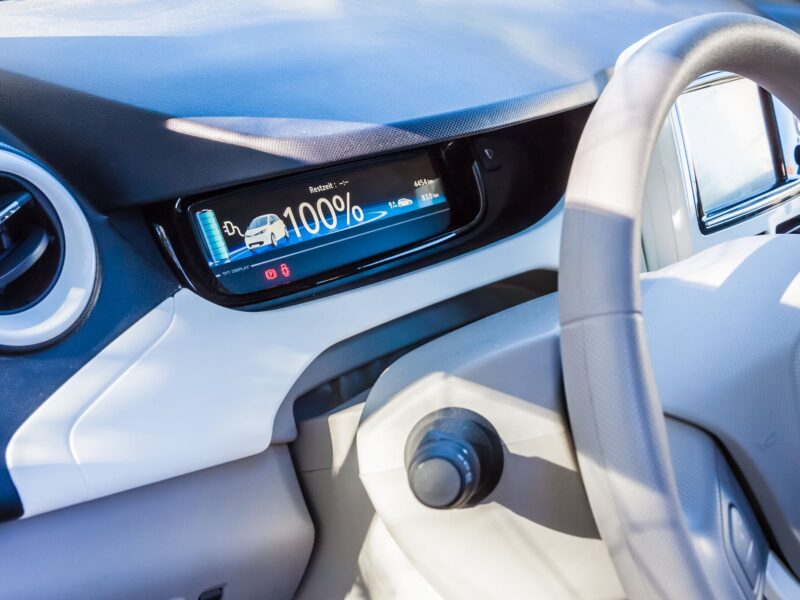
Maintaining your electric vehicle (EV) is crucial to ensure optimal performance and longevity. Here are the top five electric car maintenance tips that every EV owner should follow.
1. How to Monitor Battery Health for Your EV?
The most critical component of any electric vehicle is its battery, primarily composed of lithium-ion technology. Regularly monitoring the battery’s state of health is essential, as it directly influences performance and range. The battery’s lifespan typically spans 8 to 15 years, depending on various factors such as charging practices and temperature conditions.
To keep your battery in top shape, utilize the manufacturer’s app to check battery status frequently. Overcharging or discharging excessively can significantly reduce battery life. Many manufacturers provide features for battery optimization; make sure to enable these settings. In extreme temperature conditions, it’s advisable to maintain your EV in a climate-controlled environment to avoid battery degradation.
By following these practices, you can maximize your battery’s life and efficiency, helping you to avoid costly replacements.
For more detailed battery longevity tips, check this guide.
2. Why is Regular Tire Maintenance Important for Electric Vehicles?
Electric vehicles are often heavier due to their battery packs, leading to unique tire wear patterns. Regular tire maintenance is important for safety and performance. Checking tire pressure should be done monthly, as improper inflation can affect mileage and handling. The manufacturer’s recommendations should be strictly adhered to regarding tire specifications.
Rotating your tires every 5,000 to 7,500 miles will help achieve even wear, significantly extending the life of your tires. Special EV tires designed for low rolling resistance can improve range but may cost between $150 to $300 each. Investing in the right tires can be cost-effective in the long run, enhancing performance while mitigating premature wear.
For an in-depth look at the best tires for your electric vehicle, visit this article.
3. How Do Software Updates Affect Your EV’s Performance?
Modern EVs, such as those from Tesla, Rivian, and Lucid, feature advanced technology allowing for over-the-air (OTA) software updates. These updates are not merely optional; they can enhance vehicle performance, introduce new features, and even remediate issues. Ensuring your EV’s software is up-to-date is a simple yet powerful maintenance task.
Failure to update software may hinder the EV’s performance and efficiency. Many manufacturers offer alerts for available updates, so enabling notifications is crucial. Checking for updates regularly ensures you’re benefiting from the latest improvements and safety enhancements.
To explore the significance of regular software updates, see this guide.
4. When Should You Inspect the Brakes on Your Electric Vehicle?
The braking system in electric vehicles is often equipped with regenerative braking technology, which helps improve efficiency. Nonetheless, routine brake inspections remain vital and should be performed at least every 12,000 miles. Electric and conventional brakes both require maintenance, including checking levels and the health of brake pads and rotors.
Ignoring brake maintenance can lead to performance issues and potential safety hazards. If you notice any unusual noises or a decrease in braking efficiency, seek an inspection immediately. Investing in high-quality brake pads designed for EVs can also enhance braking performance and longevity.
For tips on brake maintenance, check out this article.
5. Why Is Regular Maintenance Essential for Your Overall EV Performance?
In summary, regular maintenance practices are the backbone of ensuring your electric vehicle operates at peak efficiency. From monitoring battery health to regular software updates and tire maintenance, each aspect contributes to the overall lifespan and functionality of your EV.
Being proactive about maintenance will not only enhance your driving experience but can also save you from costly repairs that may arise from neglect. Staying informed on the latest maintenance techniques and technologies is essential for all EV owners.
For more cost-effective maintenance tips, don’t miss this guide.
| Maintenance Aspect | Frequency | Typical Costs |
|---|---|---|
| Battery Health Check | Monthly | N/A |
| Tire Rotation | 5,000 – 7,500 miles | $150 – $300 per tire |
| Brake Inspection | 12,000 miles | $100 – $500 (pads/rotors) |
| Software Update | As Available | N/A |
Frequently Asked Questions
How often should I check the battery health of my EV?
Battery health should be monitored monthly using the manufacturer’s app. Regular checks can identify potential issues early and maintain optimal performance.
How much does it cost to maintain an electric vehicle annually?
Annual maintenance costs can vary but typically range from $400 to $1,200, depending on the extent of service required and vehicle type.
Are there specific tires for electric vehicles?
Yes, specific tires for electric vehicles are designed to withstand the additional weight and provide low rolling resistance, enhancing efficiency. Typical costs range from $150 to $300 per tire.
How can temperature affect my EV battery life?
Extreme temperatures can significantly impact battery life, with both hot and cold conditions potentially accelerating degradation. Keeping the battery in moderate temperatures helps maintain health.
What are the signs that my brakes need maintenance?
Signs include unusual noises, reduced braking efficiency, or vibrations when braking. Regular inspections are essential to ensure safety and performance.