Regenerative braking serves as an innovative energy recovery system in electric vehicles (EVs) and hybrid cars. It transforms kinetic energy—often wasted as heat during deceleration—into valuable electrical energy, allowing the vehicle’s battery to recharge. This remarkable system not only enhances efficiency but also extends the range of electric vehicles, reclaiming energy during braking events.
What is Regenerative Braking and How Does it Differ from Traditional Braking?
At its core, regenerative braking is a cutting-edge technology that repurposes the kinetic energy of a moving vehicle during slowing or stopping. Unlike traditional friction brakes, which squander kinetic energy as heat through mechanical friction, regenerative braking actively harnesses this energy and converts it into electricity. This reclaimed energy is subsequently stored in the vehicle’s high-voltage battery, making the entire system significantly more efficient.
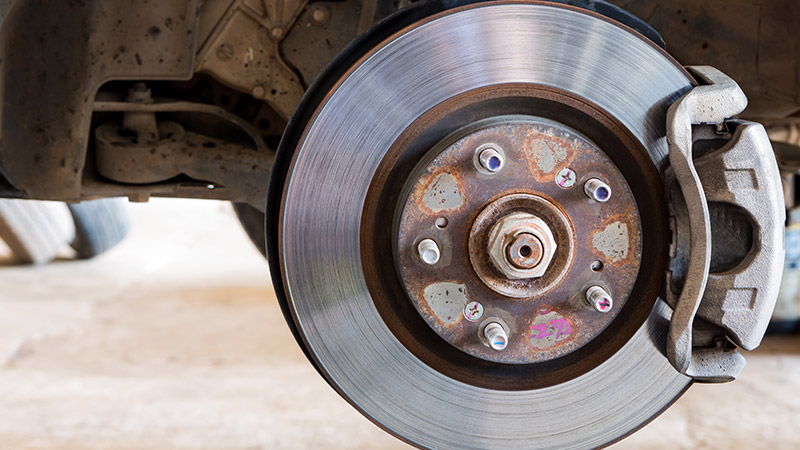
In conventional braking systems, physical resistance from automotive brakes generates friction between brake pads and rotors. This process slows the vehicle by converting kinetic motion into heat. Contrastingly, regenerative braking cleverly utilizes the electric motor in reverse, effectively transforming it into a generator. This crucial distinction allows EVs to boost their energy efficiency while minimizing dependence on mechanical brake components.
What are the Core Components and Mechanism of Regenerative Braking?
The essential components of a regenerative braking system include the electric motor/generator, inverter, and battery or energy storage unit. These elements work harmoniously to facilitate the energy conversion process during deceleration.
Here’s how the mechanism of energy recovery unfolds:
- When the driver lifts their foot off the accelerator pedal or applies the brakes, the vehicle’s control unit responds by signaling the electric motor.
- In this moment, the electric motor, which normally propels the wheels, switches its function into generator mode.
- As the wheels continue to spin due to the vehicle’s momentum, they drive the motor/generator.
- This mechanical rotation induces an electrical current, converting the vehicle’s kinetic energy into electrical energy through electromagnetic induction.
- The generated electricity is channeled through an inverter, which alters it into a form suitable for storage.
- Finally, the electrical energy is directed to the high-voltage battery pack or other energy storage units, such as capacitors, where it is stored for future use, powering either the vehicle’s propulsion or auxiliary systems.
How does Kinetic Energy Transform into Electrical Energy during Braking?
The transformation of kinetic energy into electrical energy during regenerative braking hinges on the principle of electromagnetic induction. As the electric motor switches to generator mode, its rotating components move through magnetic fields, inducing an electric current. The resistance produced by this electrical generation serves as a braking force, slowing down the vehicle. The more fervently the motor operates as a generator, the stronger the braking effect, leading to greater electricity production and storage in the battery.
What are the Key Benefits of Regenerative Braking in Electric Vehicles?
Regenerative braking provides numerous advantages for electric vehicles, particularly in terms of efficiency, range, and reduced maintenance needs.
- Enhanced Energy Efficiency: By capturing energy that would otherwise dissipate as heat, regenerative braking systems significantly enhance the energy efficiency of EVs. This process can recover approximately 60% to 70% of the kinetic energy during braking, drastically minimizing energy waste.
- Extended Driving Range: The reclaimed electrical energy helps recharge the battery, which directly contributes to an increase in the vehicle’s overall driving range. Depending on driving conditions, regenerative braking can add an impressive 10-20% to an EV’s total range.
- Reduced Wear on Friction Brakes: With the electric motor managing a substantial portion of deceleration, conventional hydraulic friction brakes are used less frequently and less intensely. This reduced usage leads to decreased wear on critical components such as brake calipers, pads, and rotors, lowering maintenance costs while increasing their longevity.
- Smoother Driving Experience: Regenerative braking promotes a smoother, more controlled deceleration process. In many EVs, this allows for “one-pedal driving,” where the driver can largely control the vehicle’s speed using just the accelerator pedal.
How does Regenerative Braking Impact Conventional Brake System Longevity?
Regenerative braking has a profound effect on the longevity of a vehicle’s conventional brake system by significantly lightening its workload. The electric motor, acting as a generator, handles much of the stopping power. As a result, the friction brakes (pads and rotors) engage less frequently and with lesser intensity. This decreased engagement directly leads to less material wear, extending the time interval before brake pad replacements and other maintenance tasks.
What are the Different Modes and Control Strategies for Regenerative Braking?
Modern electric vehicles often come equipped with various modes and control strategies for regenerative braking, allowing drivers to customize their experience and optimize energy recovery. These strategies manage the integration of regenerative and friction braking for optimal performance and driver comfort.
A common mode is one-pedal driving, where the vehicle slows down, and in certain situations even comes to a complete stop, simply by releasing the accelerator pedal. This mode utilizes robust regenerative braking to achieve considerable deceleration. Many EVs also allow drivers to adjust the intensity of regenerative braking through paddle shifters or in-car settings, adapting to varied driving conditions or personal preferences.
Additionally, contemporary EVs utilize advanced electronic control units (ECUs) that seamlessly blend regenerative braking with traditional friction braking. This “brake-by-wire” technology ensures a consistent braking feel, even as the system fluctuates between electrical regeneration and mechanical friction to deliver the desired stopping power.
| Feature | Regenerative Braking | Friction Braking |
|---|---|---|
| Mechanism | Converts kinetic energy to electrical energy via electric motor/generator. | Converts kinetic energy to heat via mechanical friction. |
| Energy Fate | Energy is recaptured and stored in the battery. | Energy is dissipated as wasted heat. |
| Efficiency | High (recovers 60-70% of braking energy). | Low (energy is lost). |
| Brake Component Wear | Significantly reduced. | Subject to regular wear and tear. |
| Primary Application | Electric and Hybrid Vehicles. | All vehicle types (EVs use it as a supplement). |
| Stopping Power | Effective for gradual deceleration, less at low speeds. | Provides maximum stopping force for all situations, including emergencies. |
What are the Limitations and Challenges of Regenerative Braking?
While regenerative braking excels in energy recovery, it also faces certain limitations. Its effectiveness diminishes at lower speeds, resulting in minimal energy recovery as the vehicle nears a complete stop. Additionally, the battery’s state of charge (SoC) can restrict regenerative braking; a fully charged battery cannot accept more incoming electrical energy, limiting regeneration capabilities. Cold temperatures further hinder the battery’s ability to accept charge, adversely affecting regenerative braking performance.
The perceived “feel” of the brake pedal can differ from that in traditional vehicles, often described as spongy or inconsistent, which may require some adjustment for drivers. Furthermore, although regenerative braking is notably efficient, it often doesn’t provide sufficient stopping power for emergency scenarios, necessitating the seamless integration with conventional friction brakes for reliable performance.
Frequently Asked Questions About Regenerative Braking
Does regenerative braking bring an EV to a complete stop?
Regenerative braking can significantly slow an EV, and in advanced systems featuring “one-pedal driving,” it can even bring the vehicle to a full stop on level surfaces. However, conventional friction brakes remain present and engage automatically to supply additional stopping force, especially during abrupt stops or to keep the vehicle in place.
How much energy does regenerative braking actually recover?
Regenerative braking systems are capable of recovering between 60% and 70% of the kinetic energy that would typically be lost during braking. This reclaimed energy is redirected to the battery, potentially extending an EV’s driving range by an estimated 10-20%.
Is regenerative braking always active in an EV?
Regenerative braking is typically active whenever an EV decelerates, either by releasing the accelerator pedal or by applying the brake pedal. However, its intensity can fluctuate based on several factors including vehicle speed, battery state of charge, ambient temperature, and driver-selected settings. Modern EVs tend to incorporate regenerative braking seamlessly with conventional friction brakes, with the vehicle’s computer determining the ideal balance for optimal performance.