Brake pedal feel adjustment is a crucial process that involves fine-tuning various components of a vehicle’s braking system. This adjustment significantly enhances the driver’s interaction with the brakes, leading to improved responsiveness, modulation, and overall confidence in stopping power. When executed properly, it ensures that the braking system not only operates at peak efficiency but also bolsters safety and driving performance.
What Constitutes Optimal Brake Pedal Feel?
Optimal brake pedal feel is defined by a firm, consistent pedal response throughout its travel range, providing predictable and progressive braking force. An ideal brake pedal presents slight initial resistance, smoothly escalating braking power with added pressure. This allows drivers to achieve effective brake modulation, giving them precise control over the braking force applied. In racing contexts, a pedal described as “rock hard” with minimal travel is often preferred, enhancing trail braking capabilities and promoting muscle memory. In contrast, a spongy or excessively soft pedal may indicate serious issues within the hydraulic system, such as air in the lines or fluid leaks.
Why is Brake Pedal Feel Adjustment Critical for Vehicle Dynamics?
Adjusting brake pedal feel is vital for maintaining accurate vehicle control, particularly under dynamic driving conditions and during emergencies. An improperly tuned brake pedal can compromise driver confidence and concentration, potentially leading to hazardous situations. For example, a pedal that sits too low may result in insufficient pressure application, leading to increased stopping distances. Conversely, a pedal positioned too high may cause brakes to drag, resulting in premature wear and overheating. The accuracy of brake pedal setup—including height and free play—directly affects braking effectiveness and road safety.
Which Components Influence Brake Pedal Feel?
Several interrelated components within the braking system contribute to brake pedal feel, each playing a pivotal role in converting driver input into stopping power.
The Brake Pedal Assembly and Pushrod
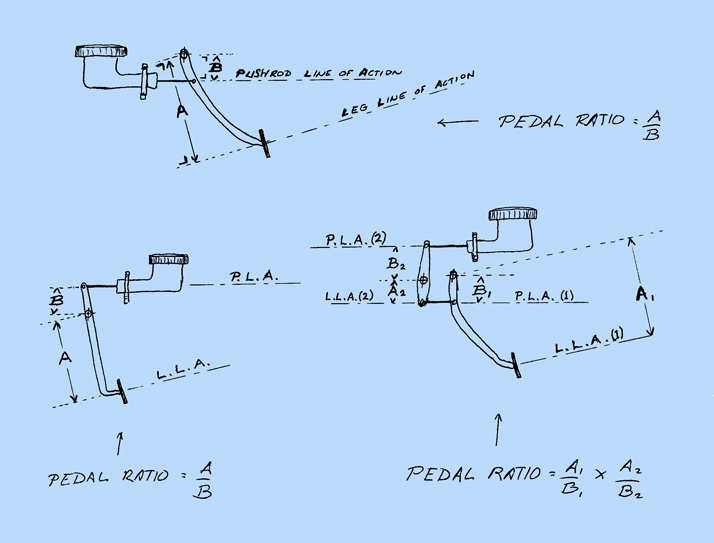
The brake pedal assembly serves as the driver’s primary interface, mechanically connected to the master cylinder via a pushrod. The length and adjustment of this pushrod critically influence the pedal’s height and free play. Pedal height is defined by its resting position relative to the floor, while free play refers to the initial movement of the pedal before engagement. A misaligned pedal height can delay quick pressure application, while incorrect free play can create a spongy feel (too much play) or brake drag (too little play). Notably, the brake light switch—usually positioned behind the pedal—also requires adjustment parallel to pedal height to ensure accurate brake light activation.
The Master Cylinder and Brake Booster
The master cylinder converts the mechanical force from the pedal pushrod into hydraulic pressure, which is then delivered through the brake lines. A brake booster, typically vacuum-assisted, amplifies the driver’s input, reducing the physical effort needed to actuate the brakes. The precise alignment of the pushrod from the booster into the master cylinder piston is vital. An inaccurate pushrod length may create preload on the master cylinder, leading to dragging brakes or excessive pedal travel, which can yield a soft pedal experience. It is generally recommended to maintain a clearance of approximately 0.020 inches (about 1/16th of an inch) between the pushrod and master cylinder piston to avoid these complications.
Hydraulic System Integrity (Brake Fluid, Lines, Calipers)
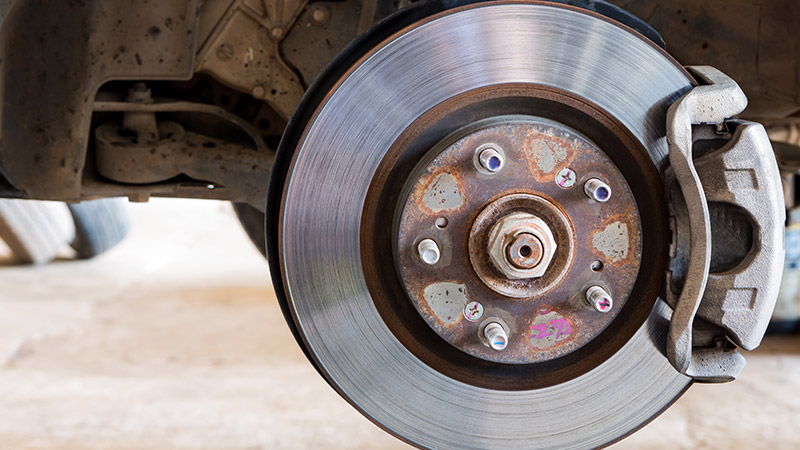
The entire hydraulic system’s integrity plays a crucial role in determining pedal feel. Brake fluid serves as a non-compressible medium that transmits force effectively. Air introduced into the brake lines—commonly during component replacement or due to leaks—can lead to a spongy pedal feel since air is compressible. Additionally, worn or deteriorating rubber brake hoses can diminish pedal firmness and increase travel distance. The brake calipers, which contain the pistons that press the brake pads against the rotors, are also influential. The rigidity of the calipers and their mounting can significantly affect pedal travel and overall firmness. Regular brake fluid flushes are essential for sustaining hydraulic system performance.
How to Perform a Brake Pedal Feel Adjustment?
Adjusting brake pedal feel typically requires a series of mechanical adjustments to the pedal assembly and pushrod. Always consult the vehicle’s service manual for detailed procedures, as adjustment methods may vary.
- Park and Prepare: Position the vehicle on a level surface and engage the parking brake. Ensure the engine is off.
- Locate the Pushrod: Identify the brake pushrod connecting the brake pedal to the master cylinder, usually found under the dashboard near the firewall.
- Loosen Lock Nuts: Loosen the lock nuts securing the pushrod adjustment mechanism.
- Adjust Brake Pedal Height: Turn the pushrod clockwise to enhance pedal height or counterclockwise to lower it. Utilize pliers if necessary. Aim for a height that provides ergonomic comfort and sufficient clearance from the accelerator pedal.
- Set Brake Pedal Free Play: Measure the distance the pedal moves before resistance is felt. Most vehicles require a minimal amount of free play, typically around 10 mm (less than half an inch), to avoid brake drag and ensure proper master cylinder function. Adjust the pushrod length accordingly to achieve the desired free play.
- Modify Master Cylinder Pushrod Length (Booster to Master Cylinder Gap): Ensure the pushrod has the appropriate length to prevent preload or excessive travel at the critical interface between the brake booster and master cylinder. Specialized tools can assist in accurately measuring piston depth and adjusting the pushrod to achieve the recommended 0.020-inch (1/16th inch) clearance. Some boosters feature threaded pins for adjustment, while others may require grinding.
- Tighten Lock Nuts: Securely tighten all lock nuts to prevent further movement and maintain the adjustment made.
- Test Brake Light Switch: Confirm that the brake lights illuminate and extinguish properly upon pedal application and release. Adjust the brake light switch independently if its positioning is affected by changes in pedal height.
- Road Test: Conduct a low-speed road test in a safe environment to verify the proper function of the brakes and the feel of the pedal.
| Characteristic | Poor Brake Feel Symptoms | Optimal Brake Feel Characteristics |
|---|---|---|
| Pedal Firmness | Spongy, soft, mushy, goes to floor | Firm, consistent, increasing resistance with pressure |
| Pedal Travel | Excessive travel, “long pedal” | Limited, precise, appropriate for full braking force |
| Responsiveness | Delayed engagement, requires deep press | Immediate initial bite, quick engagement |
| Modulation | Difficult to control braking force, inconsistent | Linear, predictable, allows for fine control |
| Noise/Vibration | Grinding, shaking, pulsating | Smooth, silent operation |
Common Brake Pedal Feel Issues and Their Solutions
Various issues can manifest as poor brake pedal feel, often necessitating specific diagnostic and corrective measures. A spongy brake pedal typically points to air in the hydraulic lines or a brake system leak. To address this, bleeding the brake lines or repairing any leaks is essential. Conversely, a pedal that feels excessively hard or requires significant effort may signal a malfunctioning brake booster. Additionally, a pedal exhibiting excessive travel before engagement could result from incorrect pushrod length or worn brake components. For an in-depth exploration of common brake issues, refer to our article on Common Brake Problems and Their Simple Solutions.
Frequently Asked Questions about Brake Pedal Feel Adjustment
How often should brake pedal feel be checked?
Brake pedal feel should be regularly monitored during routine vehicle inspections and immediately following any noticeable changes in braking performance or pedal sensation. Component wear, fluid leaks, and air intrusion can all alter pedal feel over time.
Can different brake pads affect pedal feel?
Absolutely, the material and type of brake pads play a significant role in pedal feel. Softer compounds, like ceramic or organic pads, often lead to a softer pedal experience, while semi-metallic pads usually offer a firmer response. The “bite” and release characteristics of the pads are essential for effective modulation.
Is brake pedal adjustment different for vehicles with ABS?
While the fundamental mechanical adjustments for pedal height and free play remain consistent, vehicles equipped with ABS (Anti-lock Braking System) feature electronic components that influence the overall braking system. ABS is primarily designed to prevent wheel lock-up during hard braking, thus maintaining steering control, rather than solely shortening stopping distances in all situations. Adjustments to the mechanical pedal must still ensure seamless communication with the ABS system and avoid any interference with its operation. For further details, explore our guide on ABS Brakes: What They Are and How They Keep You Safe.