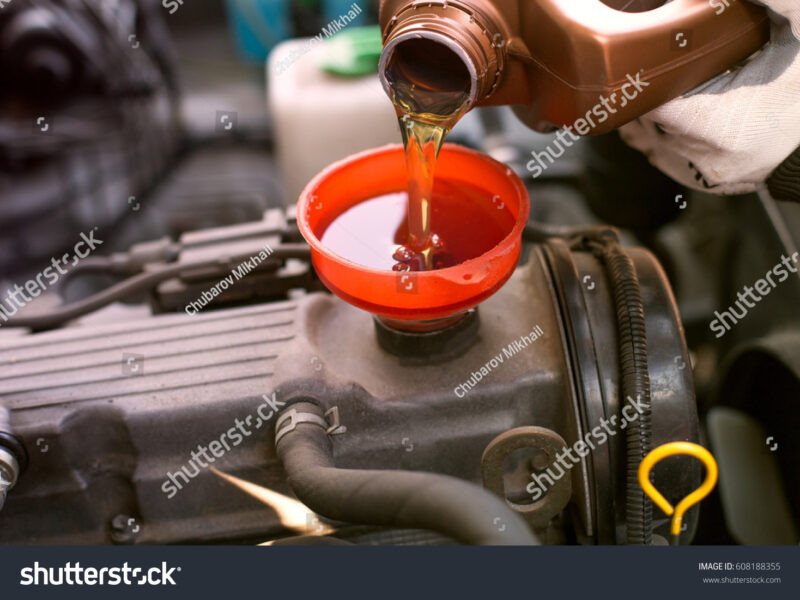
Imagine driving a powerful engine without knowing the silent guardian that works tirelessly inside—your oil filter. This crucial automotive component is designed to eliminate contaminants from engine oil, thereby preventing abrasive wear and preserving the integrity of your engine. Effective oil filtration is not merely beneficial; it’s essential for extending the lifespan of your engine and ensuring it performs reliably. Without this robust filtration system, harmful particles would accelerate the deterioration of your engine’s vital components.
What is an Oil Filter and How Does it Function?
At its core, an oil filter is a sophisticated device that safeguards your engine by removing harmful particles from the circulating engine oil. As the oil pump propels oil through the filter, it passes through specially designed filter media that traps dirt, metal shavings, and other debris. This continuous process is vital for preventing premature wear on engine components, ensuring that only clean oil lubricates the intricate moving parts. The filtration mechanism relies on pleated filter media, effectively capturing contaminants according to their size and the media’s pore structure.
Why is Effective Oil Filtration Crucial for Engine Health?
The importance of effective oil filtration cannot be overstated; it is the frontline defense against abrasive particles that can inflict serious damage on your engine’s internal components. Contaminants as small as 10-20 microns, often invisible to the naked eye, can lead to significant wear on bearings and cylinders. A high-quality oil filter plays a pivotal role in mitigating friction and wear, ultimately extending your engine’s life and ensuring its optimal function. In contrast, a clogged or ineffective filter permits dirty oil to circulate, dramatically increasing wear and heightening the risk of engine failure.
What Key Components Constitute a Modern Oil Filter?
The construction of modern oil filters involves several integral components that work in harmony to ensure effective purification of engine oil. The filter media acts as the first line of defense, physically trapping contaminants. A sturdy center tube provides essential structural support and directs the purified oil out of the filter. Encasing all these elements is the housing or canister, designed for robust durability. Key valves include the anti-drain back valve (ADBV), a rubber membrane that retains oil in the filter and engine galleries during engine shutdowns. This ensures immediate oil pressure upon startup, reducing the chances of “dry starts.” The bypass valve opens when the filter becomes clogged, allowing unfiltered oil to reach the engine rather than risk oil starvation, which could prove more damaging than having no oil at all. Finally, a gasket creates a secure seal between the filter and engine block to prevent leaks.
How Do Filtration Media Types Impact Oil Filter Performance?
The performance of an oil filter is heavily influenced by the type of filtration media used, which directly affects efficiency, capacity, and flow rate. Different media types are tailored to capture various particle sizes and endure different operating conditions. Here’s a closer look at the primary types:
- Cellulose Media: Often referred to as “paper” filters, these are made from treated paper or cellulose fibers and are commonly the most affordable option. They typically filter particulates in the range of 20 to 40 microns. However, while they are effective for regular driving, their lower dirt-holding capacity means they can become saturated quickly.
- Synthetic Media: These filters, constructed from synthetic fibers like micro-glass or polyester, offer superior filtration capabilities and longevity. Their ability to capture even smaller contaminants—often achieving efficiencies of 5 to 10 microns, with some filtering down to 2 microns—ensures your engine oil remains cleaner for longer. Synthetic media also boasts a higher dirt-holding capacity and resilience under pressure.
- Blended Media: A combination of cellulose and synthetic fibers, blended media provides a cost-effective solution without sacrificing performance. The incorporation of synthetic or glass fibers enhances particle efficiency, and models like the Bosch Premium Oil Filters utilize this exclusive blend to achieve an impressive 99% filtration efficiency.
The efficiency of a filter is quantified as a percentage at a specific micron rating. For instance, a filter that claims to be 95% efficient at 20 microns effectively captures 95% of particles measuring 20 microns or larger. Notably, particles between 10 and 20 microns are particularly notorious for causing engine damage over time.
What are the Leading Oil Filter Brands on the Market Today?
The oil filter market boasts several prominent brands, each with unique technologies and performance attributes. When choosing the right filter, it’s essential to consider your vehicle’s requirements, the type of oil used, and your desired maintenance intervals.
Wix Filters: Precision Engineering for Optimal Filtration
Wix Filters have gained acclaim for their robust construction and exceptional filtration efficiency. Featuring a solid metal base plate for enhanced strength and a silicone anti-drain back valve, they maintain flexibility in extreme conditions to prevent dry starts. Many Wix filters incorporate glass-enhanced media, effectively capturing contaminants sized between 10 to 12 microns. Their XP series, designed specifically for synthetic oils, boasts over 99% dirt-trapping efficiency for intervals of up to 20,000 miles.
Mann-Filter: OEM Quality and Advanced Filtration Solutions
Mann-Filter is a leader in the global market, often providing original equipment (OE) filters for numerous European vehicles. Their filters are synonymous with high-quality construction, superior filtration, and excellent dirt retention. Utilizing cutting-edge multi-layer filtration media, Mann-Filter also integrates anti-drain back valves and bypass valves to guarantee a steady oil flow and protection for the engine, particularly in frigid conditions where oil may become thick.
Fram Oil Filters: A Range for Every Driver
Fram presents a diverse array of oil filters, including the highly-rated Ultra Synthetic model. Tailored for enhanced performance with synthetic oil, the Fram Ultra Synthetic features dual-layer synthetic media, achieving over 99% filtration efficiency and incorporating a silicone anti-drainback valve. These filters are built for extended oil change intervals, reaching up to 20,000 miles, while other Fram lines, like Extra Guard, utilize a blend of cellulose and glass fibers suitable for high-flow applications.
Mobil 1 Extended Performance Oil Filters: Designed for Synthetic Oils
Mobil 1 Extended Performance Oil Filters are specifically engineered for full synthetic motor oils, providing remarkable protection for up to one full year or 20,000 miles. With a synthetic blend media achieving filtration efficiency of over 99%, they capture particles as small as 8-10 microns. These filters also feature a heavy-duty canister and a silicone anti-drain back valve, ensuring protection against dry starts and demonstrating durability even under high pressure.
K&N Performance Gold Oil Filters: High Flow and Durability
K&N Performance Gold Oil Filters were inspired by rigorous auto racing demands, focusing on high flow rates and robust design. Their filters employ resin-impregnated cellulose or pleated synthetic media to yield maximum filtering surface while ensuring optimal oil flow. Many models come equipped with a 1-inch nut welded onto the canister for easier removal, and their construction guarantees superior protection. The anti-drainback valve also has components designed to minimize dry starts.
Bosch Premium Oil Filters: Robust Construction and Efficiency
Bosch Premium Oil Filters utilize an innovative blend of natural and synthetic materials in their media, ensuring 99% filtration efficiency and the ability to hold up to 14 grams of dirt. These filters are engineered to provide outstanding oil filtration and robust engine protection, working seamlessly with conventional, semi-synthetic, and synthetic oils. Key characteristics include a metal spiral-wound center tube, a silicone anti-drainback valve, and a relief valve to prevent oil restriction.
PurolatorONE and PurolatorBOSS: Innovating Everyday Filtration
Purolator’s offerings include the PurolatorONE and PurolatorBOSS lines, known for their premium performance. The PurolatorBOSS filters are celebrated for their fully synthetic media, promising extended protection and excellent contaminant removal, rated for intervals up to 15,000 to 20,000 miles. Meanwhile, PurolatorONE provides a high-efficiency synthetic blend media, balancing performance and affordability for both conventional and synthetic oils. While specific data on micron ratings or dirt-holding capacity isn’t readily available, these filters are generally acknowledged as strong contenders within their respective categories.
| Brand/Filter Line | Media Type | Efficiency (at specified microns) | Dirt Holding Capacity (grams) | Anti-Drain Back Valve | Bypass Valve |
|---|---|---|---|---|---|
| Wix XP | Hybridized Synthetic Fibers | >99% (unspecified microns) | High (ideal for dirty conditions) | Silicone | Up-front design |
| Mann-Filter | Multi-layer (synthetic fibers) | Superior (removes impurities) | Excellent dirt-retention capacity | Non-return membrane (silicone) | Present (in spin-on filters) |
| Fram Ultra Synthetic | Dual-layer Synthetic | 99%+ (unspecified microns) | High (up to 20,000 miles) | Silicone | Present |
| Mobil 1 Extended Performance | Synthetic Blend | 99%+ (8-10 microns), 99.6% (unspecified microns) | 28 grams, 2X other leading brands | Silicone | Bypass system for flow during cold starts |
| K&N Performance Gold | Resin-impregnated Cellulose / Pleated Synthetic | 99% (unspecified contaminants), as small as 10 microns | High dirt-holding capacity | Present (where applicable) | Not consistently mentioned as a feature but usually present. |
| Bosch Premium | Blend of Cellulose and Glass Fiber | 99% (at 20 microns) | Up to 14 grams | Silicone | Relief valve present |
How to Select the Optimal Oil Filter for Your Vehicle?
Choosing the ideal oil filter for your vehicle involves careful consideration of several key factors beyond merely brand reputation. Always start by referring to your vehicle’s owner’s manual for manufacturer recommendations, as specific vehicles may necessitate particular filter types to maintain warranty compliance. The type of oil you use also plays a significant role; synthetic oils, especially those formulated for extended drain intervals, benefit most from filters made with synthetic or synthetic-blend media, which offer higher efficiency and dirt-holding capacity. Take into account your driving conditions: vehicles that endure extreme temperatures, dusty environments, or frequent towing should rely on robust, heavy-duty filters featuring superior construction and bypass valves to prevent clogging. The filtration efficiency percentage—indicating how effectively the filter traps particles, ideally at small micron sizes—serves as a key indicator of engine protection. Lastly, ensure you assess the durability of the filter and the presence of critical components, such as a high-quality silicone anti-drainback valve to avert dry starts and ensure consistent lubrication. Understanding material choices is crucial for optimal component longevity, akin to selecting the right brake line materials. Copper vs. Steel Brake Lines: Choosing the Best Material for Durability and Performance.
What Are Common Misconceptions Regarding Oil Filters?
Several misconceptions surrounding oil filters can lead to poor maintenance practices. A prevalent myth is that “all oil filters are essentially the same,” suggesting that a cheaper filter offers equivalent protection to a premium one. This couldn’t be further from the truth; filters differ greatly in filtration media, construction quality, efficiency, and dirt-holding capacity. Another belief is that “more filter material equals better filtration.” While media surface area is crucial, the type of material (cellulose vs. synthetic) and its structural integrity often weigh more heavily on efficiency and capacity. Some may view the oil filter bypass valve as detrimental because it allows unfiltered oil into the engine. In reality, the bypass valve is a vital safety feature, ensuring oil flow to prevent catastrophic engine damage from oil starvation when primary media becomes clogged. Finally, relying solely on a filter’s micron rating without considering its efficiency percentage can be deceptive; a lower micron rating does not guarantee high capture efficiency. Understanding how each component influences overall vehicle performance—from oil filters to advanced braking systems—remains essential for high-performance driving. Brake Fade Prevention: Strategies for Steep Descents and High-Performance Driving.
Frequently Asked Questions (FAQs)
How often should an oil filter be replaced?
The general guideline is to replace your oil filter with every oil change, even if you’re adhering to extended oil change intervals. This practice ensures that new oil remains uncontaminated and effectively protects your engine from accumulated grime. Modern filters are built to last and often align with extended synthetic oil intervals, enduring up to 10,000 to 20,000 miles.
Can a “better” oil filter extend oil change intervals?
Utilizing a high-quality oil filter, particularly those designed with synthetic media and superior dirt-holding capacity, can indeed support longer oil change intervals, especially when coupled with synthetic engine oils. Always adhere to the vehicle manufacturer’s recommended service schedules and consider each specific oil’s limitations.
Is it necessary to use an OEM oil filter?
While opting for an Original Equipment Manufacturer (OEM) oil filter is not strictly required, it’s crucial to choose an aftermarket filter that meets or exceeds OEM specifications for fitment, filtration efficiency, and component quality. Many reputable aftermarket brands offer equivalent or even superior performance compared to OEM alternatives.