Brake pad wear sensors are compact yet essential components of a vehicle’s braking system. Their primary function is to monitor the thickness of brake pads and alert drivers when it’s time to make a replacement. By providing precise data about brake pad lifespan, these sensors enhance vehicle safety and help avert costly damage to other braking system parts.
What is the Purpose of a Brake Pad Wear Sensor in a Vehicle’s Braking System?
The central aim of a brake pad wear sensor is to deliver an early warning when brake pads hit a critical wear threshold. This timely alert facilitates necessary maintenance, ensuring optimal braking performance and minimizing the risk of accidents. By keeping drivers informed, wear sensors play a crucial role in enhancing road safety.
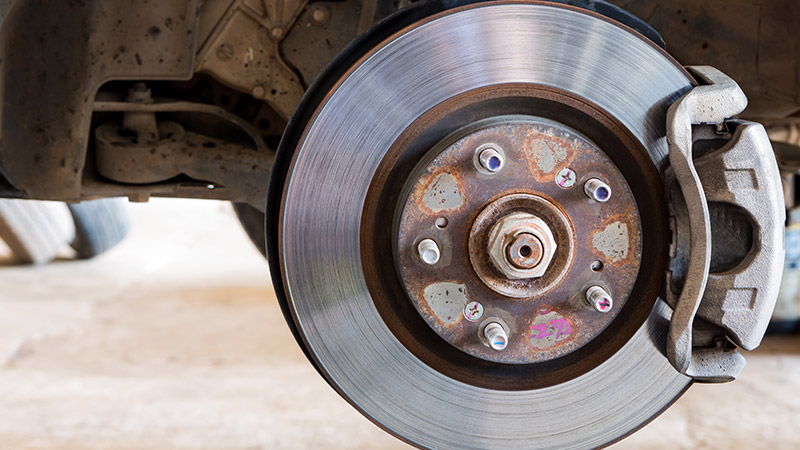
When you press the brake pedal, the brake calipers clamp the brake pads against the rotating rotors, generating the friction needed to decelerate or halt the vehicle. Brake pads are engineered for gradual wear, yet their longevity can vary significantly based on factors such as driving habits, vehicle type, and environmental conditions. On average, you can expect brake pads to last between 30,000 and 70,000 miles; however, aggressive driving or frequent stops typical in city driving might reduce that figure to just 15,000–20,000 miles. Without a wear sensor, many drivers may remain unaware of worn pads until they lead to more significant and costly issues.
How Do Brake Pad Wear Sensors Function to Alert Drivers?
Brake pad wear sensors operate using either mechanical or electronic principles to notify drivers when brake pads are becoming too thin. Strategically positioned within the braking system, these sensors often reside near the brake calipers for optimal monitoring.
How Do Mechanical Brake Pad Wear Sensors Work?
Mechanical brake pad wear sensors, often referred to as acoustic indicators or squealers, include thin metal tabs or wires that are integrated into the brake pad material. As the brake pad wears away, the metal tab eventually makes contact with the brake rotor, producing a high-pitched squeal or scraping noise. This audible warning notifies the driver that it’s time for a replacement. While mechanical sensors are straightforward and cost-effective, their reliance on sound means some drivers might overlook or misinterpret the alert.
How Do Electronic Brake Pad Wear Sensors Operate?
Electronic brake pad wear sensors are more sophisticated, utilizing electrical resistance or magnetic signals to activate a warning on the dashboard. A typical design includes a sensor with a resistor loop that carries a low electrical current. As the brake pad wears, the resistor wire loop breaks or contacts the rotor, creating an open circuit. This triggers an electrical signal to the vehicle’s onboard computer, illuminating a warning light on the dashboard, usually labeled “BRAKE” or “BRAKE PAD WEAR,” and could display messages like “Check Brakes.” This warning typically activates when the brake pad wears down to a preset thickness, usually between 3–5mm. Some advanced systems feature two-stage sensors with multiple resistor circuits at varying depths, allowing the system to estimate the remaining pad life and offer more detailed alerts.
What are the Key Types of Brake Pad Wear Sensors?
Brake pad wear sensors fall into several categories, including mechanical, electronic (one-stage and two-stage), and magnetic types. Each offers distinct detection methods for pad wear. Most modern vehicles manufactured after 2010 are typically equipped with these sensors, although older models may use simpler solutions or lack them entirely.
| Sensor Type | Detection Method | Warning Output | Key Characteristic |
|---|---|---|---|
| Mechanical (Acoustic) | Metal tab contacts rotor due to wear. | High-pitched squeal. | Simple, audible warning, low-cost. |
| Electronic (One-Stage) | Embedded wire breaks or contacts rotor when pad wears. | Dashboard warning light. | Electrical circuit completed/broken, quieter. |
| Electronic (Two-Stage) | Multiple resistor circuits at different depths. | Calculates remaining mileage, then warning light. | Predictive capability, more advanced data integration. |
| Magnetic | Magnetic field changes as distance to rotor diminishes. | Dashboard warning light. | Monitors proximity without direct contact for primary alert. |
Why is it Crucial Not to Ignore a Brake Pad Wear Sensor Warning?
Disregarding a brake pad wear sensor warning can have severe consequences, including compromised vehicle safety, increased stopping distances, and potential damage to other components of the braking system.
When brake pads are excessively worn, the efficiency of the braking system is diminished, leading to longer stopping distances. In emergency situations, this delayed response could be the critical factor that turns a near miss into a collision. Beyond the immediate safety concerns, ignoring these warnings can result in harmful metal-on-metal contact as the backing plate of the pads grinds against the brake rotor. This contact can cause significant rotor damage, such as warping or deep grooves, which necessitate expensive replacements. Furthermore, it places additional stress on other components like brake calipers, potentially leading to premature failure and even pricier repairs.
Many modern vehicles will fail an MOT inspection if the brake pad warning light is illuminated, signaling worn or damaged pads. Thus, acting promptly upon receiving a sensor warning not only prevents safety hazards but also averts costly repairs and regulatory issues. Regular replacement of brake pads and associated sensors is essential for maintaining optimal braking performance and prolonging the life of the vehicle.
When Should Brake Pad Wear Sensors Be Replaced?
Brake pad wear sensors are typically designed to be consumable components that should be replaced alongside new brake pads. Even if a sensor hasn’t activated a warning light, it may have suffered damage from the heat generated during braking, leading to hardened wire insulation or corroded internal wiring. To ensure ongoing reliability, replacing the sensor during a brake pad service is a cost-effective preventative measure, as sensors are generally affordable. It’s also essential for technicians to reset the brake life service indicator after changing the pads and sensors.
What Are Common Issues and Troubleshooting for Brake Pad Wear Sensors?
Brake pad wear sensors can experience several challenges beyond simply indicating worn pads, such as false warnings or complete failures to signal.
- False Warnings: These may occur due to corroded wiring, damaged sensors, or debris on the rotor. Inspecting for corrosion, cleaning the rotor, or replacing a damaged sensor can resolve these alerts.
- No Warning When Pads Are Worn: A broken mechanical tab or a malfunctioning electronic sensor might prevent a warning. Signs of physical damage like frayed wires or a broken tab often indicate a faulty sensor.
- Physical Damage: Heat generated from braking can gradually wear down the sensor’s wiring and clips. Additionally, external debris or improper installation can dislodge or damage proximity sensors.
If the dashboard warning light for brake pad wear stays illuminated after an inspection or you suspect a faulty sensor despite adequate pad thickness, it’s time to seek professional assistance. Addressing any brake system alerts promptly is critical to maintaining vehicle safety. Moreover, understanding unusual brake sounds is also a key aspect of brake system maintenance.
Frequently Asked Questions About Brake Pad Wear Sensors
When does a brake pad wear sensor typically activate?
A brake pad wear sensor generally activates when the brake pad material wears down to approximately 3–5mm thickness, triggering a warning light on the dashboard.
Can I continue driving if my brake pad wear sensor light is on?
While you may drive a short distance after the brake pad warning light illuminates, it is strongly recommended to have your brakes inspected by a professional at the earliest opportunity to avoid further damage and ensure safety.
Are brake pad wear sensors included with new brake pads?
Many premium brake pads come with new wear sensors included; however, some models may sell sensors separately as add-on components that require replacement with the pads.