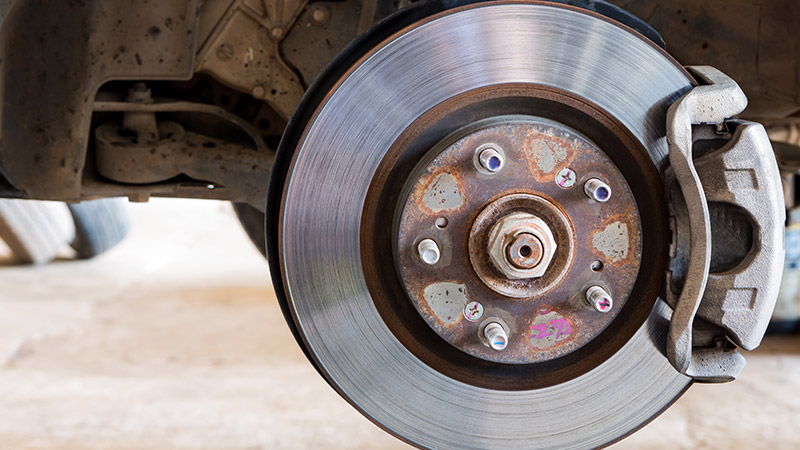
Brake dust shields, or “brake dust protectors,” are automotive accessories meticulously designed to mitigate the unsightly and corrosive accumulation of brake dust on vehicle wheels. Typically mounted behind the wheel, these shields function as a physical barrier that intercepts particles generated during braking, preserving the visual appeal of the wheels while reducing the frequency and intensity of cleaning required. Comprehensive studies indicate that the efficiency of these dust shields can significantly decrease visible brake dust accumulation, making them a worthwhile investment for automotive enthusiasts.
What Are Brake Dust Shields and How Do They Function Technically?
Brake dust shields are thin, often circular plates crafted from materials such as aluminum, stainless steel, or specialized composites. These shields are engineered to fit the specific dimensions of a vehicle’s braking system and wheels. Their primary function is to block and redirect microscopic particles—referred to as brake dust—before they adhere to the wheel surface. The dust typically comprises up to 92% iron filings from the iron rotors, along with graphite and various friction modifiers, binders, and reinforcement fibers from the brake pad, such as copper, steel fibers, and carbon. By creating a physical barrier, these shields prevent hot dust particles from directly contacting the wheel finish, thereby minimizing potential damage.
What Are the Primary Benefits of Installing Brake Dust Shields?
The installation of brake dust shields yields considerable advantages in vehicle aesthetics and maintenance reduction. The most prominent benefit is the notable decrease in visible brake dust accumulation on the wheels, thereby preserving the wheel finish and lessening the need for frequent and intensive cleaning. Brake dust contains corrosive compounds such as iron oxide and acidic particles that can etch, stain, and damage the clear coat on wheel surfaces (including those made from steel, aluminum, and magnesium alloys) over time. Reducing this dust helps mitigate long-term damage and extends the lifespan of critical brake components, including calipers, disks, and brake pads, by lowering residue build-up between friction surfaces.
What Are the Possible Disadvantages and Considerations When Using Brake Dust Shields?
Despite their benefits, brake dust shields come with potential drawbacks, particularly relating to heat dissipation and added unsprung weight. Their presence can slightly impede the natural airflow designed to cool brake components, which might result in a slight increase in operating temperatures during intense braking. In extreme scenarios or during aggressive driving, this temperature elevation can contribute to brake fade, a decrease in braking efficacy caused by overheating — as brake discs can reach temperatures of 500-550°C during intense stopping. Furthermore, the installation process may require minor modifications or specific tools, and shields add a small amount of unsprung weight, typically between 0.43 kg and 0.68 kg per shield, according to the model and material.
Are Brake Dust Shields Effective in Reducing Dust Accumulation?
Yes, brake dust shields demonstrate substantial efficacy in reducing brake dust accumulation on wheels. Their physical barrier function prevents a significant percentage of iron oxide and carbon particles from reaching the wheel surface. Some claims suggest that these shields can reduce internal brake pad wear by up to 50% and offer dust filtration efficiencies of up to 70% in advanced designs. However, complete elimination is not achievable, as some fine particles may still migrate or adhere, particularly during aggressive braking or when using certain brake pad compounds. The visible cleanliness improvement is significant, making them a viable solution for those prioritizing wheel aesthetics and minimizing cleaning efforts.
Comparative Analysis: Brake Dust Shields vs. Low-Dust Brake Pads
The choice between brake dust shields and low-dust brake pads involves assessing their different mechanisms and impacts on vehicle dynamics and maintenance. Low-dust brake pads, such as ceramic options, can reduce dust generation at the source and are particularly relevant for heavy towing applications. The following table summarizes the key distinctions:
| Key Feature | Brake Dust Shields | Low-Dust Brake Pads |
|---|---|---|
| Primary Mechanism | Physical barrier to deflect dust and road debris. | Altered friction material composition to produce less dust, often incorporating 5% ceramic content. |
| Impact on Cooling | Potential to slightly hinder airflow and elevate brake temperatures under extreme conditions. | No direct impact on brake cooling. |
| Installation | Requires physical placement behind the wheel, between rotor and hub. | Direct replacement for standard brake pads. |
| Cost | One-time purchase for shields (e.g., Mr. Gasket pair for $20-30). | Higher initial cost per set, recurring with brake pad replacements. |
| Level of Dust Reduction | Significant visible dust reduction on wheels, up to 70% in advanced filtration designs. | Reduction of dust generation at the source, resulting in less sticky and clearer dust. |
| Braking Performance | Minimal direct impact; potential thermal effects under prolonged braking. | Formulated for specific performance characteristics; some may vary from OEM. For high-performance applications, consider options like carbon ceramic brakes. |
How Is Brake Dust Generated and What Are Its Corrosive Components?
Brake dust is generated through the abrasive friction between brake pads and disks during vehicle deceleration. This mechanical wear process releases microscopic particles from both components. The primary constituents of brake dust include iron filings from cast iron rotors, which can comprise up to 92% of the total composition, along with graphite and various friction additives, binders, and reinforcement fibers from brake pad material. These materials may include copper, steel fibers, carbon, and other synthetic compounds, depending on brake pad formulation. The presence of these metallic and abrasive particles—especially iron oxide and copper particles—renders brake dust particularly aggressive and corrosive to wheel finishes, potentially leading to oxidation, pitting, and degradation of the clear coat if not cleaned weekly.
What Factors Influence the Overall Effectiveness of Brake Dust Shields?
The overall effectiveness of brake dust shields is influenced by several critical factors, including design precision and fit to the specific brake system of the vehicle, materials used in construction (like aluminum or corrosion-resistant steel), the type of brake pads installed, and the driver’s driving habits. A well-designed, precisely fitting shield (such as OEM or quality replacements like Dorman, which can weigh around 1.36 kg per pair) maximizes its ability to capture and redirect dust. The choice of brake pads, particularly those known for high dust production or formulations with elevated copper levels (which California and Washington are limiting to less than 0.5% by 2025), may challenge the shield’s capacity to maintain cleanliness. Aggressive driving or frequent heavy braking generates more dust and heat, which might exceed the shield’s ability to keep wheels clean.
Are Brake Dust Shields a Universal Solution for All Vehicle Types?
Brake dust shields are not a universal solution for all vehicle types due to variations in brake system designs, wheel clearances, and cooling requirements. While they are available for many common passenger vehicles and typically mount easily on the wheel bolts for most rear-wheel drive vehicles with 14, 15, and 16-inch wheels, specialized applications such as high-performance sports cars or vehicles with large brake calipers may have insufficient clearance for installation without modifications. Additionally, vehicles designed with specific airflow patterns for brake cooling may experience adverse effects from the introduction of a dust shield, necessitating careful consideration of manufacturer recommendations and potential thermal impacts, especially if rotor temperatures may exceed 650°C.
Frequently Asked Questions About Brake Dust Shields
Do brake dust shields affect braking performance?
Overall, brake dust shields do not directly affect the mechanical performance of the braking system. However, during sustained and high-performance braking, their presence can slightly alter airflow, potentially causing a minor increase in brake temperature and contributing to brake fade.
Can brake dust shields be installed on any vehicle?
Installation compatibility depends on the specific brake system and wheel design of the vehicle, requiring adequate clearance between brake components and the wheel. While many aftermarket options are available for popular models (e.g., most rear-wheel drive vehicles with 14-16 inch wheels), some vehicles with tight tolerances or unique brake configurations may not accommodate them without modification.
Is it worth investing in brake dust shields for aesthetic purposes?
For individuals who prioritize clean wheels and minimal maintenance, brake dust shields offer substantial value by significantly reducing visible brake dust accumulation. This preserves the appearance of expensive wheels and decreases the time and effort spent on cleaning, mitigating also long-term corrosive damage caused by iron oxide and acidic brake dust particles.
Do brake dust shields protect other vehicle components?
Yes, in addition to safeguarding the wheels, brake dust shields also act as barriers against water splash, rocks, and dirt, protecting other vital components of the braking system and suspension, such as calipers, wheel speed sensors, ball joints, and brake lines. This helps prevent premature wear and maintains braking efficiency.
How often should brake dust shields be replaced?
Brake dust shields should be replaced approximately every 30,000 miles or sooner depending on driving conditions, especially if the vehicle is frequently driven in muddy terrain or off-road where exposure to dirt and debris is greater.