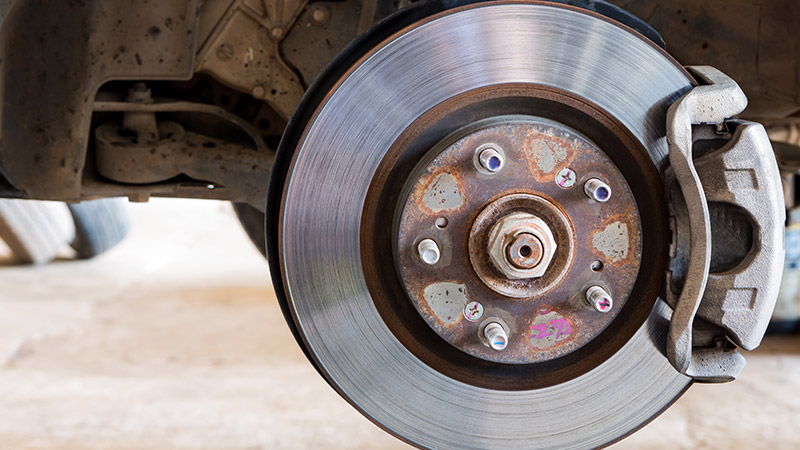
Carbon ceramic brakes, also known as Carbon Ceramic Matrix (CCM) or Carbon-Fiber Reinforced Ceramic (CFRC) brakes, represent the pinnacle of braking technology for high-performance vehicles. Crafted for extreme conditions, these systems boast a composite material that leverages carbon fibers embedded in a silicon carbide matrix, ensuring exceptional stopping power and heat resistance that far surpass traditional cast iron or steel brakes.
What are Carbon Ceramic Brakes and How Do They Function?
The heart of carbon ceramic brakes lies in their meticulously engineered rotors made from a specialized ceramic composite. Primarily composed of carbon fibers mixed with phenolic resin and silicon carbide, the manufacturing process is intricate, often spanning around 20 days. It begins with the creation of a porous preform from carbon fibers and resins. This preform is then subjected to immense pressure and heat. In what is known as the “green body” stage, it undergoes carbonization at approximately 900°C, followed by silicon infiltration at staggering temperatures of 1,550°C to 1,700°C in a vacuum environment. This transformative process allows molten silicon to react with carbon, yielding silicon carbide—a material known for its hardness and thermal stability. When paired with specialized brake pads, which contain a unique blend of metallic and ceramic compounds, these rotors generate friction that effectively converts kinetic energy into heat, allowing for efficient slowdowns. Carbon ceramic materials shine in high-temperature scenarios, relying on thermal expansion to maximize performance.
Key Advantages of Carbon Ceramic Braking Systems for Performance Vehicles
For performance-focused vehicles, carbon ceramic brakes offer a suite of compelling advantages that uniquely enhance handling, safety, and longevity.
- Reduced Unsprung Weight: These braking systems are remarkably lightweight, often reducing unsprung weight by as much as 50%. This significant cut in mass boosts vehicle handling, acceleration, and suspension responsiveness, culminating in a more dynamic driving experience.
- Superior Heat Resistance and Fade Prevention: Capable of enduring temperatures surpassing 1,000°C, carbon ceramic brakes resist fade—maintaining consistent performance even under the strain of intense driving conditions. For a deeper understanding of strategies to manage brake fade, explore Brake Fade Prevention: Strategies for Steep Descents and High-Performance Driving.
- Enhanced Stopping Power and Consistency: With a higher coefficient of friction than traditional iron or steel components, carbon ceramic rotors provide superior stopping power with less pedal pressure, resulting in quicker response times and shorter stopping distances.
- Extended Lifespan and Durability: Resilient against wear and corrosion, carbon ceramic disks can potentially last over 100,000 miles—often outlasting the vehicle itself under standard driving conditions.
- Reduced Brake Dust and Aesthetics: Compared to conventional systems, these brakes produce less brake dust that is often blown away by airflow, minimizing maintenance and keeping wheels cleaner.
- Corrosion Resistance: Highly resistant to rust, these discs hold up well against moisture and various environmental conditions.
Disadvantages and Considerations of Carbon Ceramic Brakes
While the benefits are impressive, potential buyers should be aware of the disadvantages associated with carbon ceramic brakes.
- High Initial and Replacement Cost: The premium price tag for carbon ceramic brake systems can add thousands to the vehicle’s overall cost. Replacement components are also costly due to the sophisticated materials and manufacturing processes involved.
- Operating Temperature Limitations (Cold Performance): These brakes struggle to perform optimally when cold, necessitating a specific temperature range to achieve proper friction. Consequently, drivers may experience reduced bite and longer stopping distances at lower temperatures.
- Potential for Noise: Carbon ceramic brakes can produce characteristic noises, such as squealing or honking, particularly at slower speeds or during light braking. This is a normal trait rather than a defect.
- Fragility: Though they withstand extreme heat, carbon ceramic rotors are more brittle than their steel counterparts, making them prone to cracking or chipping upon impact from road debris or improper installation.
- Specific Maintenance and Compatibility: These brakes demand particular care and expertise for repair and replacement. It’s crucial to choose the right high-temperature brake fluid for optimal performance—an essential topic covered in Unlocking Track Potential: The Benefits of High-Temp Racing Brake Fluid.
Carbon Ceramic vs. Traditional Steel Brakes: A Comparative Analysis
When selecting between carbon ceramic and traditional steel brakes, personal driving style, performance goals, and budget play pivotal roles. For enthusiasts who prioritize durability and performance in extreme conditions, Choosing the Right Performance Brake Fluid for Your Vehicle becomes integral to decision-making.
| Characteristic | Carbon Ceramic Brakes | Traditional Steel Brakes |
|---|---|---|
| Material Composition | Carbon fibers, silicon carbide ceramic matrix | Cast iron or high-quality steel |
| Weight | Significantly lighter (up to 50% less unsprung weight) | Heavier (50-60% heavier than CCB) |
| Heat Resistance | Superior (stable up to 1,000°C) | Reliable up to 600-650°C, then fade begins |
| Fade Resistance | Exceptional, virtually fade-proof under repeated heavy braking | Susceptible to fade under continuous heavy braking |
| Stopping Power/Friction | Higher coefficient of friction, shorter stopping distances | Consistent, but may require more pedal pressure |
| Longevity | Significantly longer lifespan (often >100,000 miles) | Shorter lifespan (30,000-60,000 miles for rotors) |
| Initial Cost | Much higher premium | More budget-friendly |
| Replacement Cost | Very high | Affordable |
| Cold Performance | Suboptimal, requires warm-up | Strong bite from cold, ideal for daily use |
| Brake Dust | Minimal, less corrosive | More pronounced, visible dust |
| Noise | Can exhibit squealing/honking, especially when cold or during light braking | Generally quieter in normal operation |
Are Carbon Ceramic Brakes a Prudent Investment for Your Performance Car?
The choice to invest in carbon ceramic brakes hinges on individual driving habits, preferences, and budget. For dedicated track enthusiasts or owners of ultra-high-performance vehicles subjected to extreme braking, the advantages are evident. These include enhanced fade resistance, increased stopping power, lower unsprung weight, and prolonged lifespan—all crucial factors for track performance, safety, and lower long-term maintenance needs despite the hefty initial cost. The global market for carbon ceramic brakes is anticipated to reach approximately $1.49 billion by 2029, featuring a compound annual growth rate (CAGR) of 10%, reflecting their rising popularity in high-performance and luxury vehicles. However, for those primarily using their performance cars for daily commutes or sporadic spirited drives, the high costs and considerations, such as reduced efficiency in cold weather and noise, may outweigh the benefits. In such cases, advanced steel systems can deliver comparable performance at a significantly lower price.
Frequently Asked Questions about Carbon Ceramic Brakes
Q: Do carbon ceramic brakes perform well in cold weather?
A: Generally, carbon ceramic brakes need higher operating temperatures for optimal performance. Their effectiveness may diminish in cold conditions or during the initial braking phase before they reach the appropriate temperature.
Q: How long do carbon ceramic brakes last compared to steel brakes?
A: Carbon ceramic brakes boast a much longer lifespan than traditional steel brakes. They can outlast 100,000 miles and may even last for the vehicle’s entire life under normal driving conditions, while steel rotors typically last between 30,000 to 60,000 miles.
Q: Why do carbon ceramic brakes sometimes squeal?
A: Squealing can occur with carbon ceramic brakes due to the unique characteristics of their materials and high-friction conditions. This sound is common, especially at lower speeds or during light braking, and does not usually indicate a defect.