Off-Road Vehicle Brake Upgrades are essential modifications that enhance a vehicle’s braking system, ensuring optimal stopping power, improved heat dissipation, and increased durability for the rigors of off-road conditions. These upgrades effectively address the limitations of standard braking components, particularly when vehicles are subjected to the added weight of modifications, larger tires, and the challenges posed by steep descents, mud, rocks, or water crossings.
Why are Standard Brakes Insufficient for Off-Road Vehicles?
Standard braking systems, primarily designed for on-road use, often falter under the immense demands of off-road driving. They lack the ability to manage the significant variables introduced by off-road conditions, such as modifications that increase vehicle mass from heavy bumpers, winches, and cargo, as well as larger, heavier tires that amplify rotational inertia. In these scenarios, prolonged braking during steep descents or repeated deceleration can lead to excessive heat generation. This heat quickly overwhelms OEM components, resulting in diminished braking efficiency or complete brake fade. Standard brakes simply do not possess the thermal capacity or structural rigidity necessary for sustained performance in these challenging environments.
What are the Essential Components of an Off-Road Braking System Upgrade?
How do Heavy-Duty Brake Pads Enhance Off-Road Performance?
Heavy-duty brake pads are engineered with friction materials that can withstand higher temperatures and provide a greater coefficient of friction compared to standard pads. This design delivers more consistent stopping power and superior fade resistance. These pads often incorporate materials such as metallic, ceramic, or semi-metallic compounds, each offering unique benefits. For example, metallic pads excel in high-temperature performance and durability, making them ideal for aggressive off-road use, while ceramic pads offer quieter operation and reduced dust production.
What Benefits do Upgraded Rotors Provide for Off-Road Braking?
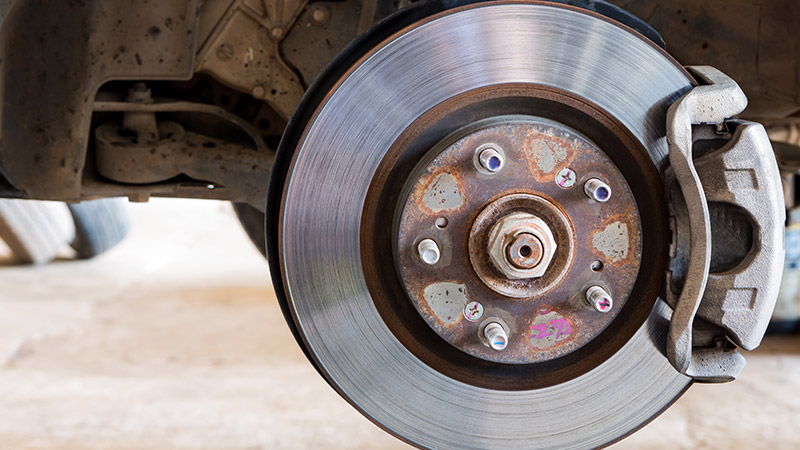
Upgraded brake rotors deliver significant benefits, including enhanced thermal management and an increased surface area that contributes to improved stopping performance. Options like larger diameter rotors provide greater leverage against wheel rotation, while rotors featuring ventilation designs, such as slotted or drilled patterns, assist in heat dissipation. Slotted rotors are particularly effective at sweeping away brake dust and gases, ensuring a consistent friction surface. Heavy-duty rotors, often constructed from specialized cast iron alloys, maintain structural integrity under extreme conditions, preventing warping or cracking, which is critical for consistent braking force.
Why are Performance Calipers Crucial for Off-Road Applications?
Performance calipers are designed to increase clamping force and enhance heat distribution across the brake pads. These calipers typically feature multiple pistons—such as 4-piston or 6-piston designs—compared to the single or dual-piston configurations commonly found in stock systems. The additional pistons enable more even pressure distribution over the brake pad, which enhances braking efficiency and reduces uneven pad wear. Made from stiffer materials like forged aluminum, performance calipers resist flex under intense pressure, providing a more responsive pedal feel and consistent stopping power during aggressive off-road driving.
How do Stainless Steel Braided Brake Lines Improve Off-Road Braking Feel?
Stainless steel braided brake lines replace traditional rubber lines that can expand under hydraulic pressure, which often leads to a spongy pedal feel. The stainless steel braiding prevents this expansion, maintaining consistent fluid pressure and resulting in a firmer, more responsive brake pedal. This enhanced response allows for precise modulation of braking force, which is crucial for maneuvering through technical off-road situations. Additionally, braided lines show improved resistance to abrasion and punctures, augmenting their durability in harsh environments.
Which Brake Fluid is Optimal for High-Performance Off-Road Braking?
In high-performance off-road situations, brake fluid with a high boiling point—both dry and wet—is essential to prevent vapor lock caused by excessive heat. DOT 4 and DOT 5.1 fluids are preferred over DOT 3 due to their superior thermal resistance. These fluids maintain hydraulic pressure effectively even as components heat up, ensuring reliable pedal feel and stopping power. Choosing the right fluid is vital for the overall performance and integrity of the braking system, particularly when faced with the thermal demands of steep descents or rapid deceleration. For a deeper understanding of fluid selection, explore Choosing the Right Performance Brake Fluid for Your Vehicle.
Does an Upgraded Master Cylinder Affect Off-Road Braking Power?
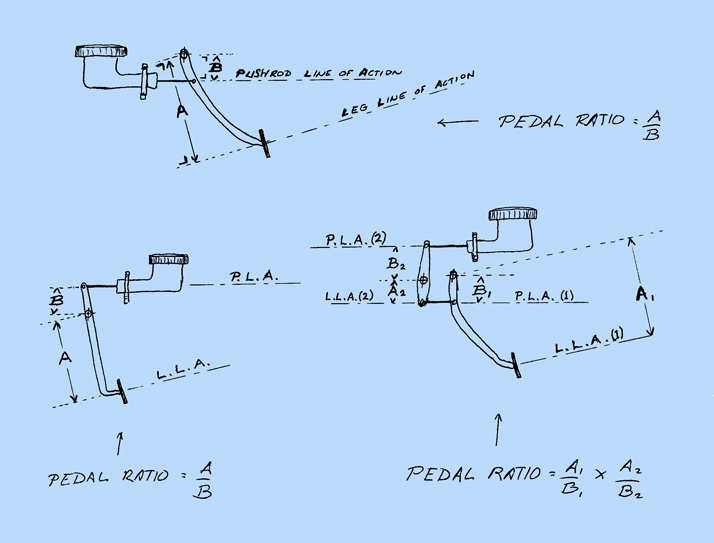
An upgraded master cylinder can significantly enhance off-road braking power by displacing a larger volume of fluid or by offering a firmer pedal feel. A larger bore master cylinder can push more fluid, especially beneficial when paired with multi-piston calipers that require higher fluid volumes for actuation. Furthermore, performance master cylinders are engineered to provide a direct pedal feel, allowing for better brake modulation and heightened driver feedback—key elements for precise control in varied off-road conditions.
What Factors Determine the Best Off-Road Brake Upgrade for a Vehicle?
Selecting the ideal off-road brake upgrade hinges on several critical factors: the specific make and model of the vehicle, its curb weight and any modifications, the size and weight of the installed tires, the typical terrain encountered, the driver’s unique driving style, and the available budget. A well-balanced approach that considers these variables ensures that the braking system is appropriately equipped for the vehicle’s specific demands.
| Component | Standard Off-Road | Heavy-Duty Off-Road | Extreme Performance Off-Road |
|---|---|---|---|
| Brake Pads | Organic/Semi-Metallic (OEM) | Performance Semi-Metallic/Ceramic | Aggressive Metallic/Carbon-Ceramic (specialized) |
| Brake Rotors | Solid/Vented (OEM size) | Larger diameter, Vented, Slotted/Drilled | Oversized, Two-piece, Slotted/Drilled, Advanced Metallurgy |
| Calipers | Single/Dual Piston (floating) | Multi-Piston (fixed), More rigid construction | High-performance Multi-Piston (fixed), Forged Aluminum |
| Brake Lines | Rubber | Stainless Steel Braided | Heavy-duty Stainless Steel Braided |
| Brake Fluid | DOT 3/4 | High-temp DOT 4 / DOT 5.1 | Racing-grade DOT 4 / DOT 5.1 |
| Master Cylinder | OEM | Upgraded Bore/Design | Performance-tuned, Larger Bore |
What are the Common Challenges Addressed by Off-Road Brake Upgrades?
Off-road brake upgrades primarily tackle issues such as brake fade, extended stopping distances, and premature component wear. Brake fade occurs when excessive heat causes brake pads to lose friction or the brake fluid to boil, severely diminishing stopping power. Upgraded systems, designed with enhanced heat dissipation and tolerances for higher temperatures, combat this significant safety hazard. The combined weight of modified vehicles and larger tires demands more braking force, which stock systems struggle to deliver, resulting in longer stopping distances. Improved components, including larger rotors and multi-piston calipers, provide the necessary mechanical advantage. Additionally, the abrasive nature of off-road environments significantly accelerates the wear of standard pads and rotors, whereas heavy-duty components are engineered for greater resilience and longevity. Effective strategies to mitigate brake fade are vital for maintaining safety and control in demanding driving conditions. For further insights, refer to Brake Fade Prevention: Strategies for Steep Descents and High-Performance Driving.
What is a Big Brake Kit (BBK) and its relevance to off-roading?
A Big Brake Kit (BBK) is a comprehensive upgrade package that typically includes larger diameter rotors, multi-piston calipers, high-performance brake pads, and sometimes stainless steel braided lines. BBKs are especially relevant for off-roading as they provide a marked increase in thermal capacity and clamping force, perfectly addressing the demands placed by heavier vehicles in extreme environments. The larger components more effectively dissipate heat and deliver superior stopping power and modulation compared to isolated component upgrades, making BBKs a crucial enhancement for both safety and performance.
How often should off-road brake components be inspected?
Off-road brake components require more frequent inspection than those on standard vehicles, ideally before and after every significant off-road outing. This routine inspection schedule facilitates early detection of wear, damage from debris, or signs of overheating. Factors such as water crossings can introduce contaminants, while aggressive driving over rocky or muddy terrain can inflict physical damage or accelerate wear on pads and rotors. Regular checks are essential to ensure the system remains reliable and safe.
Can larger tires necessitate immediate brake upgrades?
Absolutely. Installing larger tires invariably calls for immediate brake upgrades. The larger tires increase the rotating mass and circumference of the wheel assembly, causing additional stress on the braking system to achieve the same deceleration rates. The increased leverage reduces the effective braking force. Failing to upgrade leads to longer stopping distances, heightened brake fade, and accelerated wear on stock components. Therefore, synchronizing brake system upgrades with larger tire installations is crucial for preserving safety and performance.