The braking system is arguably the most critical safety feature in your vehicle. While brake pads and rotors often get the spotlight, there’s a less visible but equally vital component working tirelessly behind the scenes: brake fluid. This hydraulic fluid is essential for translating your foot’s pressure on the pedal into stopping power at the wheels. However, brake fluid degrades over time, necessitating a timely brake fluid change or flush. Understanding when and why to perform this service is crucial for maintaining safe stopping capabilities and preventing dangerous driving situations.
What is Brake Fluid and Why is it Important?
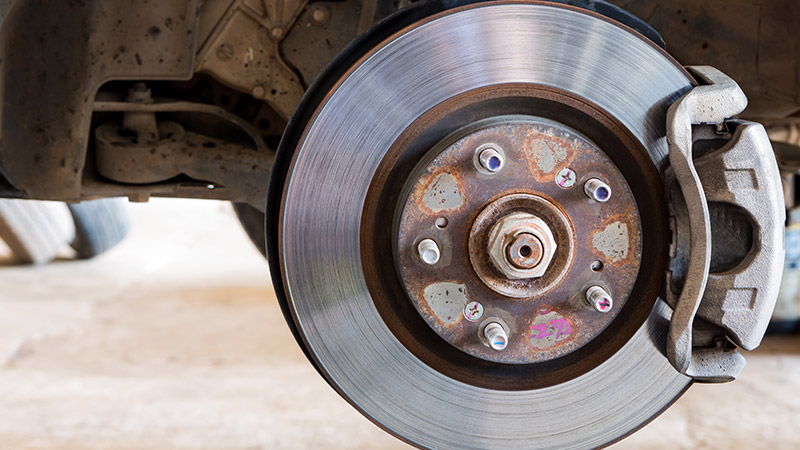
Brake fluid is a non-compressible hydraulic fluid that transmits force within your vehicle’s braking system. When you press the brake pedal, this fluid is pushed through the brake lines, forcing the calipers to squeeze the brake pads against the rotors. This friction slows and ultimately stops your vehicle. Without adequate and high-quality brake fluid, your pedal force wouldn’t reach the wheels effectively, leading to significantly reduced braking performance.
Modern vehicles rely on a complex hydraulic system that often incorporates advanced features such as Anti-lock Braking Systems (ABS) and Electronic Stability Control (ESC). These systems depend on precise and consistent brake fluid performance to function correctly, making the integrity of this fluid indispensable.
Why a Brake Fluid Change is Crucial for Your Safety
Unlike engine oil, which may be consumed over time, brake fluid deteriorates primarily due to its hygroscopic nature, meaning it readily absorbs moisture from the air. Even in a sealed system, water can seep in through microscopic pores in rubber hoses and seals over the years. This absorbed moisture poses a significant threat to your braking system.
The Hygroscopic Nature of Brake Fluid
Most brake fluids (DOT 3, DOT 4, and DOT 5.1) are hygroscopic, which means they readily absorb moisture from the atmosphere. Over time, this leads to a higher water content in the fluid. Since water has a significantly lower boiling point than brake fluid, the presence of moisture can drastically reduce the overall boiling point of the fluid.
Boiling Point Reduction
During heavy braking, friction generates immense heat that is transferred to the brake fluid. As moisture contaminates the fluid, its boiling point drops. If the fluid reaches boiling point, the water turns into vapor bubbles, leading to a spongy brake pedal feel and a dramatic loss of braking power—a dangerous phenomenon known as brake fade. This can be catastrophic, especially during prolonged braking situations, such as descending a steep hill.
Corrosion and Component Damage
In addition to reducing boiling point, water in brake fluid promotes internal corrosion within the braking system. Rust and debris build-up can lead to leaks and premature component failure, necessitating costly repairs. Contaminated fluid can also harm sensitive components like the ABS module’s valves and pumps, which often come with high repair costs.
Performance Degradation
Old, contaminated brake fluid also results in inconsistent and reduced braking performance, requiring longer stopping distances. A fresh brake fluid change helps maintain optimal pressure and provides more consistent braking power. For further insights into common brake issues, check our article on Common Brake Problems and Their Simple Solutions.
When to Get a Brake Fluid Flush: Recommended Intervals
The timing for a brake fluid flush can vary based on several factors but is generally a critical maintenance item.
Manufacturer Recommendations
Always consult your vehicle’s owner’s manual for specific brake fluid change intervals recommended by the manufacturer. Common guidelines suggest servicing every two years or 20,000 to 30,000 miles, but some manufacturers extend this interval to three years or 45,000 miles. Others may recommend routine inspections instead of strict changes.
Driving Conditions and Habits
Your driving style and environmental conditions can influence the frequency of brake fluid changes. For instance, frequent driving in mountainous regions, towing heavy loads, being involved in track days, or residing in high-humidity areas can necessitate annual fluid changes. For tips on prolonging your braking system’s life, see our guide on Extend Your Brake Life: Essential Maintenance Tips You Need to Know.
Signs You Need a Brake Fluid Flush
In addition to mileage and time, there are several indicators your vehicle may exhibit suggesting a brake fluid change is overdue:
- Spongy or Soft Brake Pedal: If the pedal feels mushy or sinks lower than normal, it indicates air (or vaporized water) in the lines.
- Inconsistent Braking Performance: Longer stopping distances or an uneven braking feel are strong indicators of potential problems.
- Brake Warning Light: Many modern vehicles have sensors that monitor brake fluid condition and may illuminate a warning light when it’s time for a change.
- Dark, Dirty Fluid: Fresh brake fluid is typically clear or light yellow. If the fluid in your reservoir appears dark brown or black, it’s contaminated and requires replacement.
- Unusual Noises: While many brake noises are associated with pads, compromised fluid can lead to overall system stress. Watch for and address any strange sounds, and refer to What’s That Noise? Decoding Common Brake Sounds and What They Mean.
The Brake Fluid Flush Process: What to Expect
A brake fluid flush is a comprehensive service where all the old, contaminated brake fluid is entirely removed from the braking system—including lines, hoses, calipers, and the master cylinder—and replaced with fresh, new fluid. This differs from a simple “brake bleed,” which typically only removes air bubbles from the lines without fully replacing the fluid.
The process usually entails using specialized equipment for pressure bleeding the system, ensuring all old fluid and any trapped air are expelled, and then refilling with the correct type of new fluid. The average cost for a professional brake fluid flush ranges from $80 to $205, depending on the vehicle type and labor rates.
DIY vs. Professional Brake Fluid Change
While conducting a DIY brake fluid change is a possibility, it demands careful attention to detail, the right tools (such as a brake bleeding kit), and strict adherence to safety precautions. Incorrect procedures—such as introducing air into the lines or using the wrong fluid type—can not only impair braking performance but also damage the system.
For most drivers, particularly considering the critical safety implications, it’s highly advisable to seek a professional mechanic’s services. Technicians possess the expertise and equipment to perform the flush accurately, ensuring optimal functionality of your brakes. For complex systems—such as those in luxury or performance vehicles—going to a dealership may be prudent, as their mechanics are trained in specialized components and typically use OEM parts.
The Benefits of a Timely Brake Fluid Flush
Regular brake fluid maintenance yields a multitude of benefits:
- Improved Braking Performance: Ensures optimal pressure transfer, leading to more responsive and effective stopping power.
- Enhanced Safety: Reduces the risk of brake fade and maintains vehicle control in critical braking situations.
- Extended Brake System Life: Protects internal components from corrosion and wear, preventing costly repairs to parts like the master cylinder, calipers, and ABS module.
- Peace of Mind: Knowing your braking system is functioning at its best provides vital confidence on the road.
Choosing the Right Brake Fluid
Brake fluids are categorized per U.S. Department of Transportation (DOT) standards, notably DOT 3, DOT 4, DOT 5, and DOT 5.1.
- DOT 3 and DOT 4: Glycol-based and hygroscopic, with DOT 4 featuring a higher boiling point than DOT 3, making it more suitable for demanding performance vehicles. They are generally interchangeable; however, DOT 4 offers superior performance.
- DOT 5: Silicone-based and hydrophobic (repels water). It has a stable boiling point but cannot be mixed with glycol-based fluids due to incompatibility. DOT 5 is generally not recommended for vehicles equipped with ABS due to its compressibility and higher viscosity.
- DOT 5.1: Also glycol-based and compatible with both DOT 3 and DOT 4 systems. It provides a very high boiling point, making it a preferred option for modern vehicles, especially those with ABS.
Always refer to your owner’s manual or the brake fluid reservoir cap to determine the correct fluid type for your vehicle. Using the incorrect fluid can lead to damage and potentially dangerous situations. The global automotive brake fluid market was valued at approximately $1.5 billion in 2023 and is predicted to continue growing, with DOT 3 fluid still dominating due to its wide compatibility and affordability in conventional systems. The National Highway Traffic Safety Administration (NHTSA) sets the safety standards for brake fluids under Federal Motor Vehicle Safety Standards (FMVSS) such as FMVSS No. 116.
Conclusion
A regular brake fluid change is not a mere suggestion; it’s a critical safety measure that protects you, your passengers, and the vehicle’s braking system. By understanding the significance of fluid quality, recognizing the signs of degradation, and adhering to recommended service intervals, you can ensure your car can stop reliably and effectively. Do not overlook this essential aspect of preventative maintenance—your safety depends on it.
For further exploration, discover how much a brake fluid flush costs and why it’s worth the investment in our article How Much Does a Brake Fluid Flush Cost? (And Why It’s Worth It). If you’re considering a DIY approach, be sure to check out the essential tools you need for your DIY Brake Fluid Change. Additionally, learn about upgrading brake systems in classic vehicles with our resource on Improving Brake Systems in Classic Vehicles: All You Need to Know.