In the realm of Electric Vehicles (EVs), the significance of effective troubleshooting and repair of battery cooling systems cannot be understated. These systems play a crucial role in safeguarding battery health, curbing rapid degradation, and ensuring optimal vehicle performance and safety. Specifically, they are engineered to maintain the battery temperature within a narrow operational range, ideally between 20°C and 25°C. Straying from these temperatures can have dire consequences on longevity and usable capacity.
What are the primary functions of an EV battery cooling system?
The primary roles of an EV battery cooling system include preventing thermal runaway, maintaining optimal operating temperatures, and supporting efficient charging and discharging. Lithium-ion batteries are notorious for generating considerable heat during both operation and fast charging sessions. Exceeding temperatures of 40-45°C can lead to accelerated degradation. For example, EVs subjected to frequent DC fast charging exceeding 100 kW can experience an annual degradation rate of up to 3.0%, starkly contrasting the average degradation rate of 2.3% for EV batteries in 2026.
Active thermal management systems are the key to regulating battery temperatures effectively. Well-implemented liquid cooling systems can enhance cell life by approximately 30%. This vital regulation preserves the battery’s state of health (SoH) and prevents premature capacity loss, which directly affects vehicle range and power output. These sophisticated systems work in tandem with the vehicle’s Battery Management System (BMS) to ensure continuous monitoring and necessary adjustments.
What components comprise a typical EV battery thermal management system?
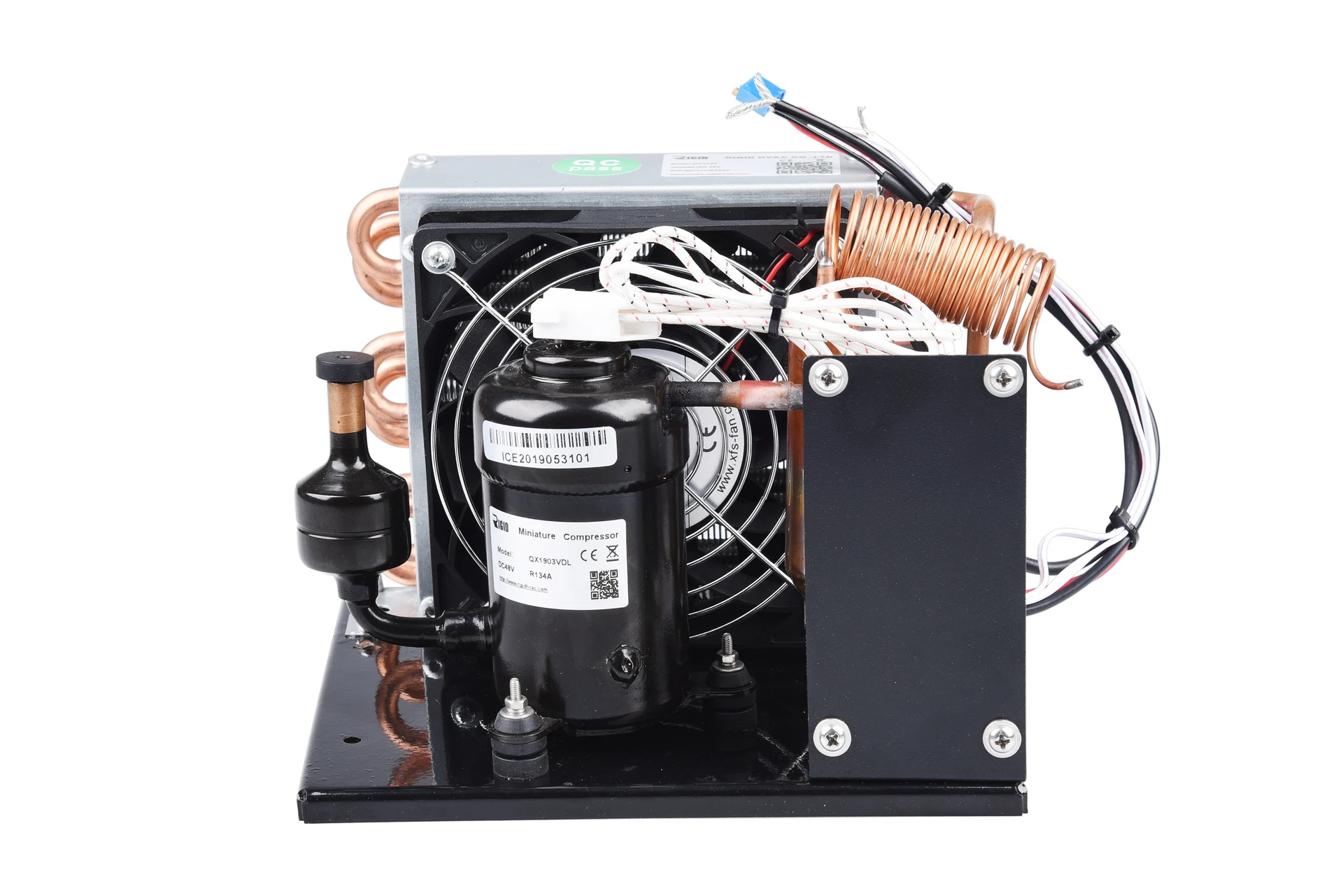
A typical EV battery thermal management system is a blend of several essential components. Key elements include cooling plates or channels, liquid coolants, electric pumps, radiators or chillers, and an array of sensors. Cooling plates encircle battery cells, facilitating efficient heat transfer across a broad surface area.
The liquid coolants, generally water-glycol mixtures—either ethylene or propylene glycol combined with de-ionized water and additives—circulate through these channels. They absorb heat from the battery and transfer it to a radiator or chiller for dissipation. Electric pumps are responsible for driving this coolant circulation, while temperature sensors, such as NTC thermistors and thermocouples, are embedded within the battery pack to provide real-time thermal data to the BMS. Advanced systems may even employ refrigerant cooling or immersion in dielectric fluids for superior temperature control.
What specific symptoms indicate an EV battery cooling system malfunction?
Detecting a malfunction in an EV battery cooling system requires vigilance in recognizing performance anomalies and diagnostic indicators. Early detection is critical; just as early identification of transmission solenoid failures can save a car’s gearbox, identifying cooling system issues can prevent significant battery degradation.
How does diminished HVAC performance relate to battery cooling issues?
A decline in HVAC performance, particularly a reduced cooling capacity in the cabin, may hint at problems within the EV’s integrated thermal management system. Many EVs utilize shared cooling loops between the battery management and cabin climate control systems. A fault in a combined pump or a refrigerant leak affecting the chiller could undermine both systems simultaneously.
Can reduced range or power output be a symptom of cooling system failure?
Absolutely. Diminished driving range and reduced power output are critical indicators of a failing EV battery cooling system. When overheating occurs, the BMS steps in to initiate power de-rating to safeguard the battery cells, leading to decreased acceleration and top speeds. This situation directly correlates with hastened battery degradation; poor cooling can push degradation rates above the average 2.3% annually, especially under intensified conditions like DC fast charging exceeding 100 kW.
What diagnostic trouble codes (DTCs) are associated with cooling system faults?
DTCs serve as invaluable tools in pinpointing cooling system failures. Common codes pertain to cooling fan malfunctions, out-of-range coolant temperature sensor readings, and coolant pump failures. For instance, codes P0A8196 and P0A8198 indicate internal failures of the hybrid/EV battery cooling fan or overheating issues. Code P0A93 may signify an inverter cooling system performance problem, frequently linked to a malfunctioning water pump, whereas P2DFC signifies a detected coolant leak within the hybrid/EV battery system. Specialized diagnostic software is key to interpreting these manufacturer-specific codes effectively.
How do audible cues indicate cooling system problems?
Audible indicators can provide critical insights into cooling system health. Unusual sounds, such as whining or grinding, often point toward a malfunctioning coolant pump. Gurgling noises may suggest air trapped within the coolant lines, which drastically reduces heat transfer efficiency. Moreover, if cooling fans are excessively loud or continuously operating, it may indicate that the system struggles to maintain the desired temperature, potentially due to inadequate cooling capacity or increased battery heat generation.
What diagnostic procedures are essential for identifying EV battery cooling system failures?
To accurately diagnose cooling system failures, a structured approach encompassing visual inspections, specialized software, and electrical/ fluid analyses is essential. This methodical process minimizes the risk of misdiagnosis and ensures repairs are precise and targeted.
How is a visual inspection performed for coolant leaks or component damage?
A comprehensive visual inspection includes examining all accessible cooling system components for leaks, corrosion, or physical damage. Technicians inspect hoses, fittings, the radiator, chiller, and coolant reservoir for visible fluid drips, stains, or crystallization. Glycol-based coolants typically feature distinct colors (green, pink, orange) and often emit a sweet odor. It’s also essential to check the underbody for evidence of impact damage that could affect cooling components.
What role does diagnostic software play in pinpointing cooling issues?
Manufacturer-level diagnostic software is crucial for diagnosing EV cooling system problems. It grants technicians access to the thermal management controller, BMS, and climate control module. This software facilitates reading active and historical DTCs, monitoring real-time sensor data (coolant temperatures at multiple points, pump speeds, fan operations), and conducting active tests to cycle components. Discrepancies in temperature readings or pump performance can reveal the root causes of issues.
How are coolant levels and quality assessed in an EV battery cooling system?
Assessing coolant levels involves checking the system when the vehicle is cold and on a level surface. The coolant must be between the minimum and maximum marks on the reservoir. Evaluating coolant quality requires analyzing its color, clarity, and specific gravity to ensure proper freeze/boil protection. Contaminated or degraded coolant, often cloudy or discolored, can lose thermal transfer properties and promote corrosion. Specialized test strips can measure pH and other parameters, while low conductivity is crucial for EV coolants to prevent electrical shorts in high-voltage components.
What electrical tests are necessary for cooling system components?
Electrical tests form a crucial aspect of diagnosing active cooling components like pumps, fans, and sensors. This involves checking the voltage supply, ground integrity, and resistance of motors or sensor circuits with a multimeter. For variable-speed pumps and fans, verifying control signals (e.g., PWM signals) through an oscilloscope may be necessary to confirm that the BMS commands proper operation. Deviations from manufacturer specifications typically suggest a faulty component or wiring issues.
How can EV battery cooling system issues be effectively repaired?
When it comes to addressing EV battery cooling system issues, effective repair relies on precise component replacement, thorough system flushing, and meticulous refilling to restore optimal thermal management. Given the critical role battery temperature plays in overall EV health, these repairs are vital for longevity, as elaborated in Understanding EV Battery Health: Factors That Affect Longevity in 2026.
What are the steps for replacing a faulty coolant pump?
Replacing a faulty coolant pump in an EV battery cooling system entails several specific steps: depressuring the system, draining the coolant, disconnecting electrical connectors and hoses, removing the old pump, and installing a new unit. Utilizing the exact OEM-specified pump is crucial for ensuring compatibility with the vehicle’s thermal management system and maintaining correct flow rates. After installation, the system must undergo a vacuum fill and bleed process to eliminate all air, often requiring a scan tool to actuate specific valves in the battery pack. Electric pumps are frequent failure points in EV cooling systems, thus prudent attention during replacement is vital.
How is a clogged radiator or chiller addressed?
Addressing a clogged radiator or chiller typically involves either cleaning or replacing the component. If the blockage is external, compressed air or a low-pressure water stream may disperse debris. Internal obstructions, often resulting from degraded coolant or foreign particles, usually necessitate a thorough flushing of the cooling circuit using specialized equipment and approved cleaning agents. If the flushing is ineffective or the component shows significant damage, replacement with an OEM-equivalent part is essential. This approach is as critical as rectifying urgent fluid issues detailed in 7 Dangerous Symptoms of Low Brake Fluid You Should Never Ignore, where maintaining fluid integrity is paramount.
What considerations are important for coolant flush and refill procedures?
During coolant flush and refill procedures, important considerations include using manufacturer-approved coolant types, typically low-conductivity glycol-based mixtures. The entire system must be drained, often requiring electrically powered valves accessible through an OBD port to ensure no old or contaminated fluid persists. The refill process should utilize a vacuum fill technique to eliminate air pockets, as trapped air can severely impede cooling efficiency and potentially damage components. Proper bleeding procedures, sometimes facilitated via diagnostic software, are essential for full system functionality. Most manufacturers recommend changing high-voltage system coolant every 50,000 to 100,000 miles or every 5 years, whichever comes first.
| Diagnostic Method | Detection Capability | Required Equipment | Specificity | Typical Time (Technician Hours) |
|---|---|---|---|---|
| Onboard Diagnostics (OBD-II Scan) | DTCs, sensor data (temperature, flow), component status | OBD-II scanner with OEM-level software | High: Pinpoints specific circuits or component failures via codes | 0.5 – 1.5 hours |
| Visual Inspection & Fluid Analysis | External leaks, fluid contamination, physical damage | Flashlight, PPE, fluid test strips, refractometer | Moderate: Identifies macroscopic issues, may not pinpoint internal faults | 0.5 – 1.0 hours |
| Thermal Imaging | Hot spots, uneven temperature distribution across battery modules | Thermal camera, specialized software for analysis | High: Identifies thermal anomalies not detectable by single sensors | 1.0 – 2.0 hours |
| Pressure Decay / Leak Detection | Coolant circuit integrity, micro-leaks | Pressure tester, vacuum pump, trace gas detector (e.g., hydrogen/nitrogen, helium) | High: Locates exact leak points within the sealed system | 1.0 – 3.0 hours |
Frequently Asked Questions (FAQ)
What is the optimal operating temperature for an EV battery?
The optimal operating temperature range for an EV lithium-ion battery is between 15°C and 35°C, with an ideal range of 20°C to 25°C for maximum performance and longevity.
Can fast charging damage an EV battery’s cooling system?
Frequent DC fast charging exceeding 100 kW can impose substantial thermal stress on the battery, potentially accelerating degradation to rates of 3.0% annually if the cooling system fails to maintain optimal temperatures. While the cooling system is designed to manage this, enduring overstress may shorten component lifespan.
How often should EV battery coolant be replaced?
Most manufacturers recommend replacing the high-voltage system coolant every 50,000 to 100,000 miles or every 5 years, whichever comes first. However, specific intervals may vary by model.
What happens if an EV battery cooling pump fails?
If an EV battery cooling pump malfunctions, the battery risks overheating, leading to diminished power output, limited driving range, and accelerated degradation. Typically, the Battery Management System (BMS) triggers dashboard warnings and may enter limp-home mode to safeguard the battery.