This comprehensive guide on car maintenance encompasses everything from daily inspections to advanced DIY interventions. Our aim is to ensure the longevity, safety, and optimal performance of your vehicle through detailed procedures and precise technical specifications.
What Are the Key Pillars of Comprehensive Preventive Automotive Maintenance?
Proactive maintenance is based on regular inspections of key components and diligent management of fluids to prevent costly failures. A comprehensive strategy includes reviewing critical systems such as brakes and constantly monitoring essential fluid levels. This approach extends your vehicle’s lifespan, optimizes fuel efficiency, and guarantees safety on the road. According to a study from AAA, performing routine maintenance can save an average of $1,000 annually compared to neglecting service
The DIY maintenance also empowers car owners by reducing dependency on service centers, fostering a deeper understanding of one’s vehicle, and enhancing safety through familiarization with essential operations.
Essential Tools for Vehicle Maintenance
Before diving into maintenance tasks, it’s crucial to equip yourself with the right tools. Here’s your go-to list:
- Hydraulic Jack
- Socket Wrench Set (with a torque specification of at least 70 ft-lbs)
- Screwdriver Set (ideal to include both flathead and Phillips head)
- Pliers (needle-nose recommended for precision work)
- Tire Pressure Gauge (ensuring accuracy within ±1 psi)
- Essential Fluids (engine oils, coolant, brake fluid, etc.)
Renowned brands such as Craftsman and Dewalt offer reliable tools with warranties ranging from 1 to 3 years. An average good-quality set of tools can cost between $50 to $200 depending on the features and durability.
Basic Vehicle Maintenance
Oil Change
Oil changes are recommended every 5,000 to 7,500 miles for synthetic oils. The oil change process typically requires the following steps:
- Gather materials: fresh oil, a new oil filter, an oil catch pan, and any needed tools.
- Warm up the engine for a few minutes, then turn it off and let it sit for a bit.
- Locate and remove the drain plug on the oil pan, allowing old oil to drain completely.
- Replace the oil filter and install a new one, applying a little engine oil to the rubber gasket.
- Replace the drain plug and refill with fresh oil.
The average price for an oil change at a service center can range between $40 to $100, depending on the type of oil used and regional pricing variations.
Filter Inspection and Replacement
The air filter should be changed every 15,000 to 30,000 miles, with costs ranging from $15 to $50. Oil filters need to be replaced with every oil change, generally covered by the oil cost.
Brake System Review
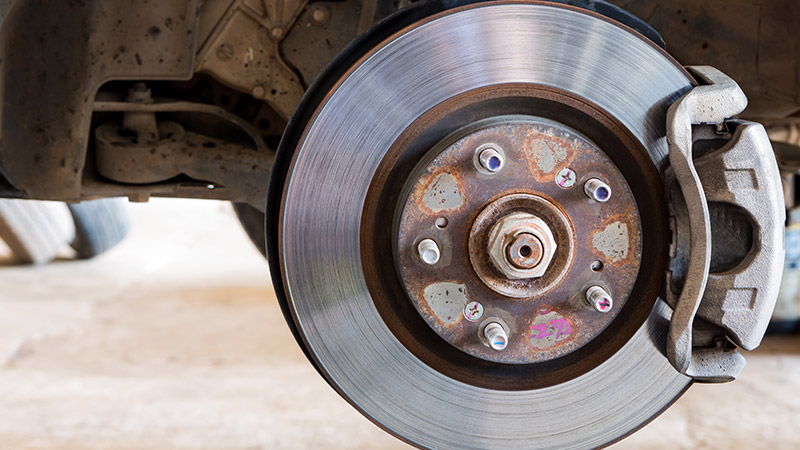
The braking system is crucial for safety. Regular inspection of pads and rotors is vital. Replacement parts start at $50 per side depending on the vehicle type. Check wear, thickness, and signs of stress.
Tire Maintenance
Tire Rotation and Alignment
Rotating tires is typically recommended every 6,000 to 8,000 miles, with costs varying by location, averaging $20 to $50 for rotation and $50 to $100 for alignment services.
Tire Inflation and Pressure Monitoring
Maintaining correct tire pressure is essential for safety and fuel efficiency. Use a tire pressure gauge monthly and ensure that tire pressure is within the manufacturer’s recommended range, usually between 30-35 psi.
Diagnosing Common Issues
Being aware of dashboard warning lights can help diagnose problems early. Utilizing an OBD-II scanner aids in identifying error codes, with prices ranging from $20 to $200.
Common codes include P0420 (Catalytic Converter Efficiency Below Threshold) and P0301 (Cylinder 1 Misfire Detected) among others.
Advanced Maintenance Techniques
Battery Replacement
Replacing a vehicle battery is straightforward. Safety precautions include disconnecting the negative terminal first. Prices for batteries range from $50 to $200, influenced by technology type and capacity.
Cooling System Maintenance
Regular checks of the coolant are critical to engine health. Ensure coolant is replaced every 50,000-100,000 miles depending on the type used. Check for leaks and ensure hoses are intact.
Safety Tips for DIY Maintenance
While working on your car, it is essential to protect yourself. Always wear safety glasses and gloves. Keep your work area clean to prevent accidents and ensure proper ventilation.
Additional Resources
For more in-depth tutorials on automotive maintenance, check out video guides on platforms like YouTube. Manufacturer manuals are indispensable resources, and you can refer to sites like Complete Guide to Car Repair for comprehensive troubleshooting tips.
Conclusions
Regular maintenance is paramount, leading to significant savings over time. Empowering car owners to take initiative in basic upkeep enhances safety, vehicle performance, and fosters a rewarding connection with their vehicles.
SEO and Keywords
We suggest optimizing content for keywords like “car maintenance guide,” “DIY automotive maintenance,” “home vehicle care,” and “save money on car maintenance.” Including images or infographics can further enhance engagement and retention.
Market Trends
The DIY automotive maintenance culture is witnessing significant growth. According to a recent study, over 60% of car owners prefer performing simple tasks themselves, significantly affecting traditional repair shop business models.