Investing in a brake fluid flush is not just a wise choice; it’s a crucial step towards ensuring your vehicle’s safety and performance. In 2026, the cost of a professional brake fluid flush in the United States typically ranges from $100 to $225. This procedure involves thoroughly replacing aged, moisture-laden hydraulic fluid with fresh, reliable fluid, essential for maintaining optimal hydraulic pressure and efficient heat dissipation. By preventing the degradation of brake fluid, drivers safeguard their vehicles against brake fade and system corrosion, enhancing the critical stopping power that keeps them safe on the road.
What is the Actual Cost of a Brake Fluid Flush in 2026?
In 2026, the average expense for a professional brake fluid flush is set between $100 and $225, with independent shops often charging between $100 and $180. This price encompasses expert labor, specialized equipment, and the required DOT-rated brake fluid for your vehicle. However, the exact cost may vary based on several factors: the make and model of your car, particularly if it features sophisticated ABS or ESC systems, can elevate the price by 20-50%. Additionally, the geographical location and local labor rates significantly influence these costs. Typically, a standard brake fluid flush, which includes a comprehensive system bleed, might cost approximately $110-$160 at independent shops and $140-$220 at dealerships.
Why is a Brake Fluid Flush a Non-Negotiable Safety Procedure?
Brake fluid is the vital hydraulic medium that transforms pedal pressure into mechanical force at the wheels. However, glycol-based brake fluids such as DOT 3, DOT 4, and DOT 5.1 are hygroscopic, meaning they can absorb moisture from the air—even within a sealed system. This moisture drastically lowers the fluid’s boiling point and can lead to vapor lock during heavy braking, causing a spongy brake pedal feel or a complete loss of stopping power. Furthermore, water accelerates the internal corrosion of crucial components like the master cylinder, ABS modulator, calipers, and brake lines. A timely brake fluid change is essential for preventing hazardous situations and costly repairs. For a deeper understanding of brake fluid contamination and its risks, explore our article, “More Than Water: Recognizing Other Brake Fluid Contaminants and Their Dangerous Effects.”
When Should Your Vehicle Receive a Brake Fluid Flush?
Most automotive manufacturers recommend a brake fluid flush every 2 to 3 years or approximately every 30,000 to 45,000 miles, whichever comes first. Some manufacturers, like Mercedes, suggest replacing the fluid every two years or 20,000 miles. These recommendations serve as proactive measures against moisture absorption and fluid degradation. Unique driving habits and environments, such as operating a vehicle in humid climates, stop-and-go traffic, or towing heavy loads, may necessitate more frequent flushes—potentially annually or every 15,000 miles. Your vehicle’s owner’s manual will provide the most accurate maintenance schedule. For comprehensive insights into timing, refer to “The Ultimate Guide to Brake Fluid Flushes: When and Why.”
Which Type of Brake Fluid is Right for Your Vehicle and Budget?
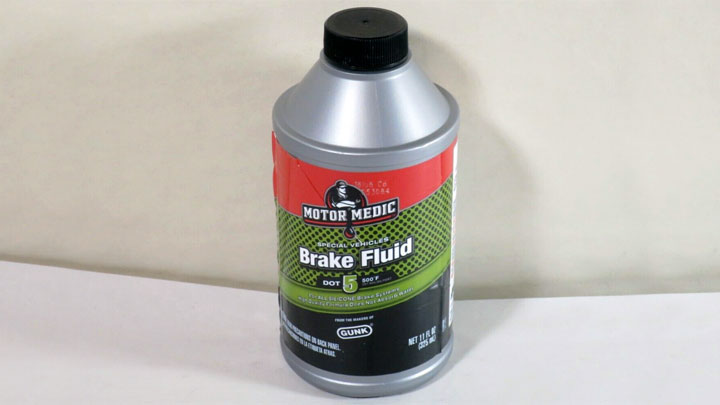
Brake fluids are categorized by the U.S. Department of Transportation (DOT) based on their boiling points and performance characteristics. Selecting the correct DOT fluid is paramount for maintaining your hydraulic braking system’s intended performance. The primary types include DOT 3, DOT 4, and DOT 5.1—each glycol-based with varying moisture absorption rates and boiling points. Conversely, DOT 5, a silicone-based fluid, is not compatible with glycol-based systems.
| Brake Fluid Type | Composition | Typical Dry Boiling Point (Minimum) | Typical Wet Boiling Point (Minimum) | Approximate Cost per Liter (USD) | Key Characteristics & Applications |
|---|---|---|---|---|---|
| DOT 3 | Glycol Ether-based | 205°C (401°F) | 140°C (284°F) | $5 – $10 | Standard fluid for older vehicles or everyday use. Absorbs moisture slower than DOT 4. |
| DOT 4 | Glycol Ether & Borate Ester-based | 230°C (446°F) | 155°C (311°F) | $7 – $18 | Higher boiling point than DOT 3, suited for modern vehicles and heavier loads. Absorbs moisture faster than DOT 3. |
| DOT 5.1 | Glycol Ether & Borate Ester-based | 260°C (500°F) | 180°C (356°F) | $10 – $23 | Top choice for high-performance cars and extreme conditions, including track use. Compatible with DOT 3 and DOT 4 systems. |
| DOT 5 | Silicone-based | 260°C (500°F) | 180°C (356°F) | $12 – $22 | Non-hygroscopic (does not absorb water). Not compatible with DOT 3, DOT 4, or DOT 5.1 fluids or ABS systems. Often purple in color; used for specialized applications like classic cars. |
While mixing DOT 3, DOT 4, and DOT 5.1 can be done in emergencies, it is not recommended, as the braking system will only perform to the standards of the least effective fluid present. Always refer to your vehicle manufacturer’s brake fluid recommendations in the owner’s manual to ensure optimal performance and longevity of your braking system. Using the incorrect fluid can lengthen stopping distances and diminish ABS/ESP response.
Is Investing in a Brake Fluid Flush Truly Worth the Cost?
Absolutely. A brake fluid flush is an essential service that yields significant returns in vehicle safety and component longevity. The average cost of $100 to $225 for a professional flush in 2026 is minimal compared to the potential consequences of brake failure or expensive repairs, such as a master cylinder replacement that can cost between $250 and $550 or an ABS control unit replacement costing $800 to $1,500. By investing in a simple $10 to $30 bottle of brake fluid at the right intervals, you can prevent costly issues like seized calipers, rusted lines, and an unreliable brake pedal. For a deeper understanding of the value of brake fluid service, please read our article, “How Much Does a Brake Fluid Flush Cost? (And Why It’s Worth It).”
Frequently Asked Questions About Brake Fluid Flushes
What is the primary function of brake fluid?
Brake fluid functions as a non-compressible hydraulic fluid that transmits force from the brake pedal to the brake components at each wheel, ensuring efficient stopping for your vehicle.
How does moisture affect brake fluid?
Moisture absorption reduces the brake fluid’s boiling point, increasing the risk of vapor lock and diminishing braking effectiveness, especially under high temperatures.
Can I just add new brake fluid to the existing fluid?
No, topping off the reservoir is inadequate as it fails to remove contaminated fluid from the entire hydraulic system. A complete flush is essential to ensure all old fluid is replaced.
What are the warning signs of contaminated or old brake fluid?
Indicators of contaminated fluid include a soft or spongy brake pedal, diminished braking power, extended stopping distances, dark or discolored fluid in the reservoir, or an illuminated brake warning light.
Is DOT 5 brake fluid superior to DOT 5.1?
No, DOT 5 is silicone-based and incompatible with most modern glycol-based systems (DOT 3, 4, 5.1). DOT 5.1 offers high-performance boiling points while remaining compatible with common brake systems.