When it comes to vintage vehicles, safety, performance, and reliability are paramount. Vintage car brake conversions address these concerns by replacing outdated braking systems with modern components. Upgrading to disc brakes, power boosters, and dual-circuit master cylinders can significantly enhance your classic ride, ensuring it meets today’s driving demands. These modifications not only reduce stopping distances but also instill a sense of confidence in enthusiasts navigating contemporary roads.
What is a Vintage Car Brake Conversion and Why is it Necessary?
A vintage car brake conversion involves replacing original mechanical or hydraulic drum brake systems with advanced disc brake setups. Original braking systems in vintage vehicles were often designed with lower speeds and less dense traffic in mind, resulting in longer stopping distances and susceptibility to brake fade. Upgrading to a modern system—such as a classic car disc brake conversion—can reduce stopping distances by up to 30%. This significantly improves a classic vehicle’s active safety profile, making it safer to drive alongside modern traffic.
What Types of Brake Conversions are Available for Vintage Car Brake Systems?
When exploring brake conversions for vintage cars, you’ll find various options that focus on enhancing both the mechanical performance and operational efficiency of the braking system. Conversions may involve full brake assembly replacements or the integration of power assistance technologies for a comprehensive upgrade.
How Do Disc Brake Conversion Kits Improve Braking in Vintage Cars?
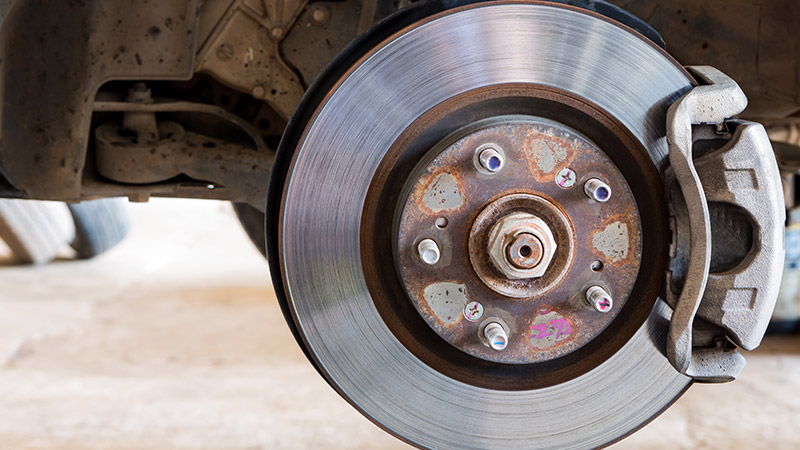
Disc brake conversion kits replace original drum brakes—commonly found on vintage vehicles—with modern disc brakes. The superior heat dissipation and consistent stopping power of disc brakes significantly mitigate the risk of brake fade during heavy use. Conversions typically involve installing new calipers, rotors, and custom mounting brackets tailored to your vehicle’s specifications. Many enthusiasts start with a front disc brake conversion, as the front brakes account for about 75% of stopping power, before completing a full four-wheel upgrade.
How Do Power Brake Boosters Enhance Pedal Feel and Reduce Effort in Vintage Car Brake Systems?
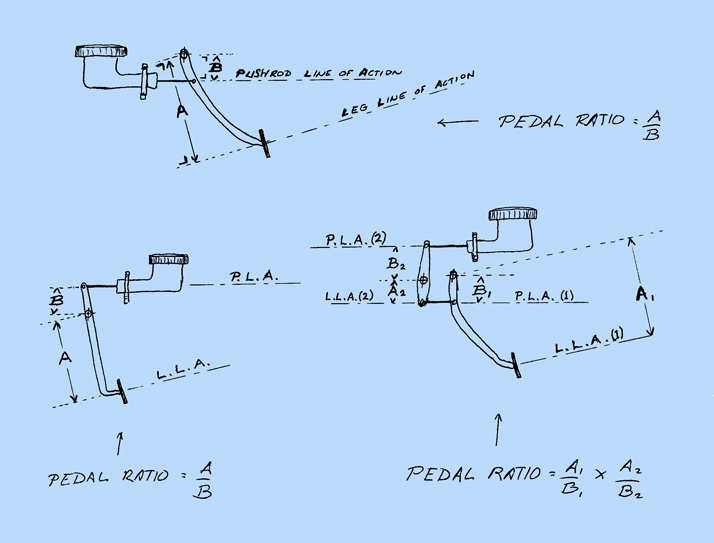
Power brake boosters enhance braking efficiency by amplifying the driver’s pedal force, thus reducing the effort needed for effective stopping. Older vintage cars typically utilized manual brakes, requiring substantial pedal pressure. Integrating a vacuum-assisted or hydro-mechanical booster transforms the driving experience, making it more comfortable and safer in various traffic conditions. This upgrade is crucial for modern driving while preserving the charm of classic vehicles.
Why are Dual Circuit Master Cylinders Crucial for Improving Safety and Redundancy in Vintage Car Brakes?
A dual circuit master cylinder separates the hydraulic system into distinct circuits for the front and rear brakes, providing a crucial safety backup. Many vintage cars, particularly those manufactured before 1968, came with single-circuit master cylinders that posed a significant risk of total brake failure. Transitioning to a dual-circuit system not only enhances safety but also meets current standards for modern vehicles. For more information on brake fluid quality in such systems, refer to Is Your Brake Fluid Compromised? Signs of Water Absorption and What to Do.
What are the Key Components of a Modern Brake Conversion for Vintage Cars?
A successful vintage car brake conversion integrates several critical components, each designed to optimize braking power and control. Understanding these parts is essential for making informed choices during your upgrade.
- Brake Calipers: These components house the brake pads and apply hydraulic pressure to clamp them against the rotors. Modern conversions often utilize multi-piston calipers, which provide various clamping forces for superior stopping power.
- Rotors (Brake Discs): Also known as brake discs, rotors are vital for deceleration. Vented rotors facilitate better heat dissipation, while drilled and slotted rotors enhance cooling and moisture evacuation, essential for high-performance braking. Diameters vary based on vehicle specifications.
- Master Cylinder: This key component converts pedal force into hydraulic pressure. Opting for a dual-circuit master cylinder enhances safety by isolating the front and rear brake systems, ensuring optimal pedal feel and fluid efficiency.
- Brake Lines: High-pressure conduits transmit hydraulic fluid from the master cylinder to the calipers. Stainless steel brake lines are favored for their durability and consistent pedal feel under pressure.
- Proportioning Valve: This valve adjusts hydraulic pressure to the rear brakes, balancing braking force to prevent premature lock-up during hard stops, which is critical for stability and control in classic cars. For further insights, see Fine-Tuning Your Braking Balance: Understanding and Adjusting the Proportioning Valve.
- Brake Booster: Enhancing pedal force, a vacuum or hydro-mechanical booster significantly increases driving comfort, making classic vehicles easier and more enjoyable to handle.
- Spindles and Brackets: Custom mounting brackets and spindles are critical for proper positioning of new calipers and rotors, ensuring accurate fitment and performance.
How Do Drum Brakes Compare to Disc Brakes in Vintage Car Systems?
Understanding the distinctions between drum and disc brakes is vital for appreciating the benefits of a brake conversion. Here’s a comparison:
| Feature | Drum Brakes (Original Vintage) | Disc Brakes (Modern Conversion) |
|---|---|---|
| Mechanism | Shoes press outward against a rotating drum. | Pads clamp onto both sides of a rotating rotor. |
| Heat Dissipation | Poor, enclosed design traps heat leading to brake fade. | Excellent, open design allows airflow for consistent performance. |
| Brake Fade Resistance | High susceptibility significantly affecting safety. | Lower susceptibility retains consistent performance even under heavy use. |
| Braking Power & Stopping Distance | Lower, often requiring up to 30% longer stopping distances. | Higher, dramatically reducing stopping distances and enhancing vehicle control. |
| Wet Weather Performance | Compromised by water accumulation, increasing stopping distances. | Generally unaffected; water evacuates quickly from the rotor surface. |
| Maintenance & Longevity | More complex adjustments; shoes wear unevenly. | Simplified maintenance with even pad wear. |
| Aesthetics | Hidden within the wheel. | Often visible, adding to a modern performance aesthetic. |
What are the Benefits and Considerations When Upgrading Vintage Car Brake Systems?
Modernizing a vintage vehicle’s brake system brings numerous benefits, while various factors need careful consideration to ensure a seamless upgrade.
What are the Key Benefits of Modern Brake Conversions for Vintage Cars?
The primary advantage of converting a vintage car’s brake system is enhanced safety. Modern disc brakes significantly improve stopping distances, reducing the risk of collisions. You can also expect a better driving experience characterized by improved pedal feel, less effort required for braking, and enhanced confidence in your vehicle’s responsiveness. Additionally, upgrades provide better resistance to brake fade, maintaining effectiveness during prolonged use or steep descents. For further insights on preventing brake fade in vintage systems, consider Brake Fade Prevention: Strategies for Steep Descents and High-Performance Driving. Furthermore, improved wet weather performance and reduced maintenance efforts enhance the overall enjoyment of your classic vehicle.
What Should You Consider Before a Vintage Car Brake System Conversion?
One important aspect to assess before pursuing a vintage brake system conversion is the vehicle’s originality. For high-value or concours-restored classics, maintaining factory specifications is critical to retaining value. The cost of parts and installation can also be considerable, typically ranging from $600 to over $2,000 for kits alone, not including labor. Compatibility with existing components, wheel size, and the vehicle’s aesthetics are additional factors to evaluate; some conversions require larger wheels or modifications to the suspension. The brake fluid type is also critical; modern systems often have different requirements. For further guidance, refer to Choosing the Right Performance Brake Fluid for Your Vehicle. Finally, selecting a reputable manufacturer for your conversion kit—like Wilwood or Baer—ensures proper fitment and safety.
Common Questions About Vintage Car Brake Conversions
How Difficult is a Vintage Car Brake Conversion for DIY Enthusiasts?
The difficulty level of a vintage car brake conversion can vary widely based on the vehicle model and the complexity of the chosen kit. Simpler tasks, such as adding a power brake booster, may be moderate for experienced DIY enthusiasts, whereas extensive drum-to-disc conversions can require advanced skills in mechanical work. Given the potential for critical safety implications, professional installation is often the best choice for comprehensive upgrades.
| Conversion Type | DIY Difficulty Level | Estimated DIY Time | Estimated Professional Labor Cost |
|---|---|---|---|
| Power Brake Booster Addition (existing disc/drum) | Moderate | 4-6 hours | $300 – $600 |
| Front Disc Brake Conversion (Drum-to-Disc) | Moderate to High | 5-8 hours | $800 – $1,500+ |
| Four-Wheel Disc Brake Conversion | High | 10-16 hours+ | $1,500 – $3,000+ |
| Hydroboost System Installation | High | 6-8 hours | $1,000 – $1,500+ (for labor) |
Note: Labor costs are estimates and can vary significantly by region and shop rates. DIY time assumes mechanical competence and appropriate tools.
Will a Brake Conversion Affect My Vintage Car’s Value?
A vintage car brake system conversion can influence a vehicle’s value in many ways. For daily drivers or modified classics, a modern conversion typically enhances value by significantly improving safety and drivability, appealing to a wider market. However, for strictly original, concours vehicles, alterations from factory specifications—like a brake conversion—may diminish its appeal to purist collectors. It’s essential to weigh the benefits in safety and performance against potential impacts on collector value based on the vehicle’s intended use.
Do I Need to Upgrade Other Components When Converting My Vintage Car’s Brakes?
Yes, converting to a modern brake system will often require upgrading other components to ensure balanced performance and safety. Key components that may need attention include the master cylinder (especially for dual-circuit systems), brake lines, and potentially the proportioning valve for effective braking balance. Existing wheels may need replacements to accommodate larger calipers, and suspension components might also require modifications to accommodate new mounting points. A holistic approach considering the entire braking system and its interaction with the vehicle is vital during any conversion.
What is the Estimated Cost of a Vintage Car Brake Conversion?
The estimated cost of a brake conversion kit typically ranges from $600 to $2,000, with total project expenses potentially rising with professional labor and additional components. Costs are influenced by how many wheels are being converted, the type of rotors, and any extra parts. High-performance kits from brands like Wilwood can start around $900 and exceed $2,000 for more advanced setups. Moreover, professional installation costs can add another $800 to $1,500, depending on the complexity of the conversion.
Choosing the Right Vintage Car Brake Conversion Kit
Selecting the perfect brake conversion kit is fundamental for a successful upgrade. Consider your vehicle’s specific make and model, intended use, and budget when making your choice. Research reputable manufacturers that produce high-quality, vehicle-specific kits with thorough instructions and reliable support. Look for comprehensive kits that include all essential components—such as calipers, rotors, and mounting hardware—to facilitate a smooth process. Popular brands include CPP, LEED Brakes, Wilwood, Baer, and The Right Stuff Detailing. Seeking recommendations from other classic car owners on enthusiast forums can also provide valuable insights.
Installation Process Overview and Common Challenges for Vintage Brake Conversions
While a DIY vintage car brake conversion is achievable for those with mechanical expertise, understanding the installation process and potential challenges is essential for a successful upgrade. The typical steps involve lifting the vehicle securely, removing existing drum brake components, installing new brackets, mounting calipers and rotors, connecting new brake lines, and meticulously bleeding the entire system. Common challenges include dealing with seized bolts, potential incompatibilities in parts, brake fluid leaks, and ensuring ample clearance for new components. Given the intricacies involved, professional installation ensures safety and reliability, as improper setups can lead to severe brake failures.
Maintaining Your Upgraded Classic Car Brakes
Once your vintage car brake conversion is completed, diligent maintenance is crucial for longevity and performance. Regularly inspect brake pads and rotors, replacing them every 15,000-30,000 miles, and monitor brake fluid levels, flushing the system every two to three years. Pay attention to any changes in pedal feel or unusual noises, as these may signify emerging issues. Regular checks of brake lines, calipers, and the master cylinder are important to catch leaks or component failures early. Committing to routine maintenance ensures that your vintage car brake system operates safely and efficiently, preserving your investment.
For further discussion and community insights on vintage car brake conversions, consider visiting AACA Forums or specific vehicle enthusiast communities like the Mustang Forums.