Brake fluid plays a pivotal role in a vehicle’s hydraulic system, acting as the vital link that transfers force from the brake pedal to the wheel-end components. This seamless operation allows vehicles to slow down effectively or come to a complete stop. Its functionality hinges on the non-compressibility of liquids, which ensures pressure is transmitted efficiently throughout the hydraulic brake network. The U.S. Department of Transportation (DOT) categorizes brake fluids into grades like DOT 3, DOT 4, and DOT 5.1, based on key performance attributes, notably boiling points and viscosity at low temperatures. Grasping the differences between DOT 3, DOT 4, and DOT 5.1 is crucial for maintaining superior braking performance and ensuring safety on the road.
What is Brake Fluid and How Does it Function in Your Vehicle’s System?
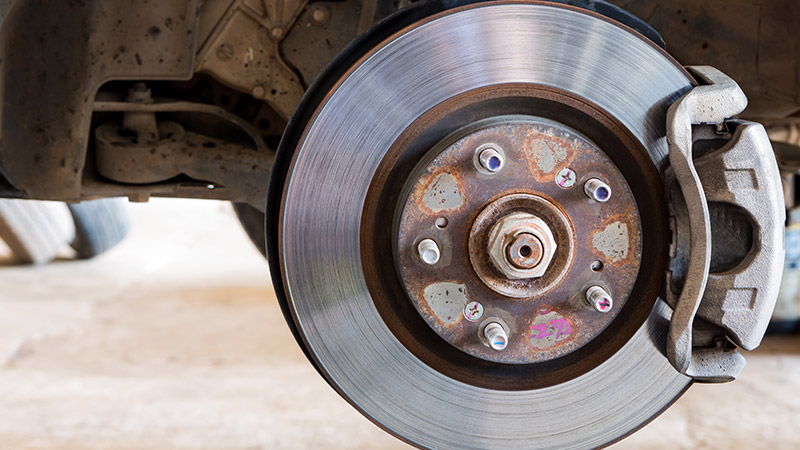
Brake fluid is not just any hydraulic fluid; it’s essential for the smooth operation of your vehicle’s braking system, encompassing both disc and drum brakes, as well as hydraulic clutches. This specialized fluid transfers the mechanical forces exerted on the brake pedal into hydraulic pressure. This pressure travels through brake lines, activating calipers or wheel cylinders, which then press brake pads or shoes against the rotors or drums, generating the necessary friction to halt the vehicle. In addition to force transmission, brake fluid also lubricates seals and protects internal brake components from corrosion, thereby enhancing overall system longevity.
Understanding DOT Standards: What Do DOT 3, DOT 4, and DOT 5.1 Signify?
The DOT standards are performance specifications outlined by the U.S. Department of Transportation under Federal Motor Vehicle Safety Standard No. 116 (FMVSS 116). These standards outline minimum performance criteria for brake fluid, including dry and wet boiling points, viscosity, and compatibility with various brake system materials. The numbering (3, 4, 5.1) reflects an increase in both dry and wet boiling points, indicating better resistance to heat and moisture contamination.
DOT 3 Brake Fluid: Characteristics and Common Applications
DOT 3 brake fluid, typically a glycol-ether based fluid, is popular due to its cost-effectiveness and reliable performance under typical driving conditions. This type of fluid is inherently hygroscopic, meaning it absorbs moisture from the air over time. Moisture absorption can lead to a lower boiling point, subsequently affecting braking efficiency. DOT 3 fluids come with a minimum dry boiling point of 205°C (401°F) and a wet boiling point of 140°C (284°F). The fluid’s viscosity ensures smooth operation and effective pressure transfer.
DOT 4 Brake Fluid: Enhanced Performance and Specific Uses
DOT 4 brake fluid represents a significant upgrade from DOT 3, created using a mixture of glycol ethers and borate esters. The inclusion of borate esters enhances the fluid’s boiling points, providing superior heat resistance. With a minimum dry boiling point of 230°C (446°F) and a minimum wet boiling point of 155°C (311°F), DOT 4 is also hygroscopic, absorbing moisture over time. Many modern vehicles, particularly those made after 2006, are designed to utilize DOT 4 fluid, especially in systems featuring Anti-lock Braking Systems (ABS) and Electronic Stability Control (ESC). The stable viscosity of DOT 4 ensures rapid activation of braking components. Notably, DOT 4 fluids are generally compatible with DOT 3 brake fluids.
DOT 5.1 Brake Fluid: High-Performance Glycol-Based Option
Positioned as the most advanced among glycol-based fluids, DOT 5.1 brake fluid employs a combination of glycol ether and borate ester compounds. Unlike silicone-based DOT 5 fluid, DOT 5.1 retains hygroscopic properties, maintaining compatibility with DOT 3 and DOT 4 systems. It boasts a minimum dry boiling point of 260°C (500°F) and a minimum wet boiling point of 180°C (356°F). Its exceptional boiling points and low viscosity under extreme cold make DOT 5.1 the ideal choice for high-performance vehicles, racing contexts, and modern ABS/ESC systems that require rapid fluid circulation.
Why is Brake Fluid’s Boiling Point Critical for Vehicle Safety?
The boiling point of brake fluid is a critical factor in ensuring vehicle safety. Excessive heat produced during braking can cause the fluid to vaporize, leading to a phenomenon known as vapor lock. This occurs when vapor bubbles form in the hydraulic lines, which are compressible and can drastically reduce—or even eliminate—braking force, leading to brake fade. This scenario is dangerous, as it compromises the vehicle’s ability to stop effectively. The “wet” boiling point is particularly essential, as it indicates how the fluid performs after absorbing moisture, a natural occurrence in hygroscopic fluids. If this wet boiling point is below operational needs, the likelihood of vapor lock increases significantly during prolonged or intense braking situations.
Comparing DOT 3, DOT 4, and DOT 5.1: A Detailed Analysis
Choosing the right brake fluid is influenced by its chemical composition, boiling points, and compatibility, as defined by DOT standards.
| Characteristic | DOT 3 | DOT 4 | DOT 5.1 |
|---|---|---|---|
| Primary Chemical Base | Glycol Ether | Glycol Ether & Borate Ester | Glycol Ether & Borate Ester |
| Hygroscopic Nature | Yes (absorbs water) | Yes (absorbs water) | Yes (absorbs water) |
| Minimum Dry Boiling Point (C/F) | 205°C / 401°F | 230°C / 446°F | 260°C / 500°F |
| Minimum Wet Boiling Point (C/F) | 140°C / 284°F | 155°C / 311°F | 180°C / 356°F |
| Compatibility with other Glycol Fluids | Compatible with DOT 4, DOT 5.1 | Compatible with DOT 3, DOT 5.1 | Compatible with DOT 3, DOT 4 |
| Paint Damage Risk | Yes | Yes | Yes |
| Typical Applications | Standard passenger vehicles | Modern vehicles, ABS/ESC systems, moderate performance | High-performance, racing, heavy-duty, advanced ABS/ESC |
Choosing the Right Brake Fluid for Your Car’s Specific Needs: Key Considerations
Selecting the correct brake fluid involves a careful assessment of several factors including your vehicle manufacturer’s recommendations, the specific driving conditions, and the technology in your vehicle’s braking system. Always consult your vehicle’s owner’s manual or service information to confirm the OEM-specified DOT class. Generally, for daily driving in moderate climates, the manufacturer’s suggested fluid—often either DOT 3 or DOT 4—is sufficient. However, vehicles engaged in performance driving, towing heavy loads, or frequently navigating mountainous terrain or hot climates benefit from fluids with superior wet boiling points, such as DOT 4 or DOT 5.1, to reduce the risk of brake fade. Furthermore, modern vehicles equipped with advanced ABS or ESC systems may find advantages in adopting DOT 5.1, given its lower viscosity at cold temperatures, thus allowing for quicker system response.
Important Considerations When Changing or Mixing Brake Fluids
When servicing your brake system, careful handling and compatibility of fluids are essential. Glycol-based fluids (DOT 3, DOT 4, DOT 5.1) can typically be mixed, although a complete system flush is always preferred to maintain optimal performance and achieve the highest fluid rating. For example, while systems designed for DOT 3 can safely use DOT 4 or DOT 5.1 fluid, never downgrade by adding DOT 3 to a system requiring DOT 4, as this drop will lower the overall boiling point below the system’s operational standards.
It’s critical to never mix DOT 5 silicone-based fluid with any glycol-based brake fluid (DOT 3, DOT 4, or DOT 5.1). The incompatible nature of DOT 5 can lead to phase separation, aeration, seal damage, and ultimately, a decrease in braking performance. Switching from a glycol-based fluid to DOT 5 necessitates a complete system overhaul and thorough flush. Regularly flushing brake fluid is advisable every one to two years or according to manufacturer guidelines to eliminate absorbed moisture and preserve optimal boiling points. Additionally, ensuring proper brake system bleeding after fluid changes is vital to remove any air trapped in the lines, which can lead to a spongy brake pedal. Always store brake fluid in its original, tightly sealed container to prevent moisture absorption.
Frequently Asked Questions about Brake Fluid
Can I mix DOT 3 and DOT 4 brake fluid in my vehicle?
Yes, you can mix DOT 3 and DOT 4 brake fluids as they are chemically compatible. However, for optimal performance, it is recommended to perform a complete system flush and refill with a single fluid type. Mixing these fluids may result in performance equivalent to the lower-grade fluid until a full service is conducted.
How often should brake fluid be flushed and replaced?
Due to its hygroscopic nature, brake fluid—especially the glycol-based types DOT 3, 4, and 5.1—absorbs moisture over time, decreasing its boiling point. For most daily drivers, a brake fluid flush every one to two years, or as indicated by the vehicle manufacturer, is generally adequate. Drivers of high-performance or racing vehicles may need to change their brake fluid more frequently, sometimes before each event.
Is DOT 5.1 brake fluid always a better choice than DOT 4 for all cars?
While DOT 5.1 delivers higher dry and wet boiling points and better low-temperature viscosity than DOT 4, rendering it suitable for high-performance and demanding applications, it is not universally the best option for every vehicle. The choice depends on the vehicle manufacturer’s specifications and its intended use. For many standard vehicles and typical driving conditions, DOT 4 will provide adequate performance. Employing DOT 5.1 in systems not designed for it—and where performance advantages may not be realized—could result in unnecessary expenses. That said, it is compatible with vehicles requiring DOT 3 or DOT 4 fluid.