The operational lifespan of a car battery typically ranges from 3 to 5 years for a conventional 12V lead-acid battery, though this can vary significantly based on environmental conditions, driving habits, and maintenance. Proactive monitoring and understanding key factors influencing battery health are crucial for maximizing longevity and preventing unexpected breakdowns.
What is the Typical Lifespan of a Car Battery?
A standard 12V lead-acid car battery, the most common type found in gasoline-powered vehicles, is engineered for a service life of approximately 3 to 5 years. This estimation serves as a general guideline, as the actual duration a battery remains effective can be heavily influenced by a multitude of external and internal factors, ranging from climate to charging cycles.
For instance, modern advancements in battery technology, such as Absorbent Glass Mat (AGM) batteries, often boast a slightly extended lifespan, typically ranging from 4 to 6 years, due to their sealed, vibration-resistant design and superior charge acceptance. Lithium-ion car batteries, though currently less common in conventional internal combustion engine (ICE) vehicles and more prevalent in electric vehicles (EVs), represent the highest end of longevity, potentially lasting 8 to 10 years or even longer, reflecting their higher upfront cost and advanced chemical stability.
Understanding these different battery chemistries and their inherent lifespans is crucial for vehicle owners when making replacement decisions, as the initial investment often correlates directly with the expected years of reliable service. Regular assessment of your battery’s condition can help predict its end-of-life and allow for timely replacement, avoiding the inconvenience of a dead battery.
How Do Environmental Conditions Impact Car Battery Longevity?
Extreme weather conditions are among the most significant contributors to premature car battery failure, directly affecting its performance and internal chemistry. Both excessively cold and scorching hot temperatures place considerable stress on a battery, accelerating degradation. In cooler temperatures, specifically when ambient conditions drop to cold ranges, a car battery can experience an approximate 20% loss of its rated starting power, making it harder for the engine to crank.
This reduction in power means the battery has to work much harder to deliver the necessary current to the starter motor, leading to increased wear and tear on internal components. For example, research indicates that for every 18°F (10°C) drop below optimal temperatures, the chemical reactions within the battery slow down significantly, diminishing its capacity and ability to hold a charge effectively.
Conversely, high temperatures, particularly those above 77°F (25°C), are equally detrimental, leading to accelerated fluid evaporation in traditional flooded lead-acid batteries and increased rates of internal corrosion. This speeds up the breakdown of the battery’s plates, reducing its overall capacity and shortening its lifespan. Implementing consistent Essential Car Battery Maintenance Tips for Longer Life and Reliability can mitigate some of these environmental effects, protecting your 12V power source from rapid deterioration.
Beyond Environment: Other Critical Factors Affecting Battery Life
While environmental factors play a major role, several other critical elements significantly influence how long a car battery lasts. Driving habits are paramount; frequent short trips, where the engine is turned on and off repeatedly without allowing the alternator sufficient time to fully recharge the battery, can lead to a state of chronic undercharging. This sulfation buildup on the battery plates, diminishing its capacity over time.
The use of vehicle accessories while the engine is off also drains the battery, especially if done for extended periods. Leaving headlights on, using the infotainment system, or charging devices without the engine running can quickly deplete the battery’s charge, forcing it to undergo deeper discharge cycles. These deep cycles are more damaging to a battery’s overall health than shallow discharges, significantly shortening its lifespan.
Furthermore, the intrinsic quality and type of the battery itself, along with the vehicle’s electrical system health, are crucial. A high-quality battery from a reputable manufacturer often incorporates better materials and construction, leading to greater resilience and a longer operational life. Conversely, a faulty alternator or parasitic draws within the vehicle’s electrical components can perpetually stress the battery, regardless of its initial quality, by either undercharging it or constantly draining its power.
Recognizing the Warning Signs: Is Your Car Battery About to Fail?
Being able to identify the early warning signs of a failing car battery is crucial for proactive maintenance and preventing unexpected breakdowns. One of the most common and clear indicators is a Slow Engine Crank, where the engine turns over sluggishly when you attempt to start your vehicle. This happens because the battery is struggling to provide the necessary surge of power to the starter motor, indicating a diminished capacity and impending failure.
Another significant category of symptoms involves various electrical issues within the vehicle. If you notice flickering headlights, dim interior lights, or accessories that are not functioning at their usual strength, these are strong signs that your 12V power source is weakening. These symptoms arise because a failing battery cannot maintain a stable voltage, leading to insufficient power delivery to the vehicle’s electrical components, including critical systems and entertainment features.
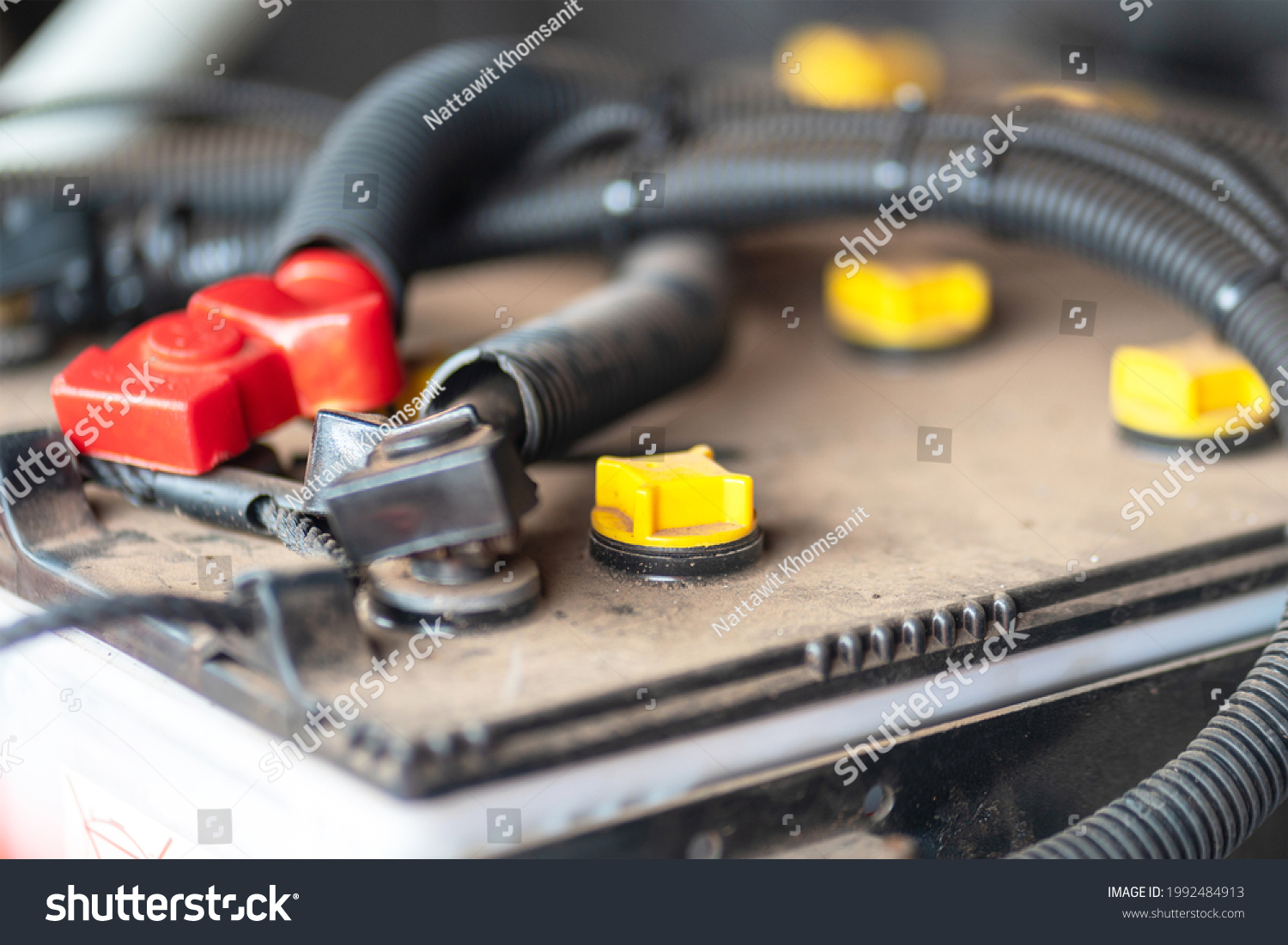
Beyond these, a bulging battery case, a sulfuric smell, or visible corrosion around the battery terminals also serve as physical red flags indicating a battery in distress. These physical manifestations often point to internal damage, overcharging, or excessive heat exposure, all of which compromise the battery’s integrity and ability to function reliably. Recognizing these 8 Clear Signs Your Car Battery Is About to Die (And How to Test It) can provide ample time for replacement before you’re stranded.
How to Accurately Test Your Car Battery’s Health?
Accurately testing your car battery’s health involves specific tools and procedures to assess its state of charge and overall capacity, which are not detailed in existing content. The most fundamental test involves checking the static voltage with a multimeter. A fully charged 12V lead-acid battery should register approximately 12.6 volts or higher when the engine is off. Readings below 12.4 volts typically indicate a partial discharge (e.g., 12.4V for 75% charge, 12.2V for 50% charge), while anything below 12.0 volts suggests a severely discharged battery that may require immediate attention or replacement.
For a more comprehensive assessment, a specialized battery load tester is indispensable. This device simulates the heavy load placed on the battery during engine cranking, measuring its ability to maintain voltage under stress. A healthy battery should maintain a voltage above 9.6 volts during a 15-second load test, at half its cold cranking amps (CCA) rating. If the voltage drops significantly below this threshold, it indicates a weak battery that is struggling to deliver the necessary power, even if its static voltage appears acceptable.
Regular testing, especially as your battery approaches the 3 to 5-year mark, is a proactive measure that can prevent unexpected failures. These tests, combined with visual inspections for corrosion or physical damage, provide a complete picture of your battery’s condition. For more insights on the implications of battery health, refer to How Long Do Car Batteries Last? Signs Your Battery Is About to Die.
| Battery Type | Typical Lifespan | Average Cost (USD) | Key Advantages |
|---|---|---|---|
| Flooded Lead-Acid (SLA) | 3-5 years | $100 – $200 | Cost-effective, widely available |
| Absorbent Glass Mat (AGM) | 4-6 years | $200 – $350 | Maintenance-free, vibration resistant, better cold-weather performance |
| Enhanced Flooded Battery (EFB) | 3-5 years | $150 – $250 | Improved cycle life over SLA, good for start-stop vehicles |
| Lithium-ion (LiFePO4) | 8-10+ years | $800 – $2000+ | Lightweight, very long lifespan, high energy density (less common for ICE starters) |
What is the optimal voltage for a healthy car battery?
For a healthy 12V car battery, the optimal voltage when fully charged and the engine is off (static voltage) should be 12.6 volts or higher. A reading of 12.4 volts indicates approximately a 75% charge, while 12.2 volts signifies a 50% charge. If your battery consistently reads below 12.0 volts, it is considered significantly discharged and may require recharging or inspection. During engine cranking, a healthy battery should maintain a voltage above 9.6 volts. Readings below these thresholds suggest a weakening battery that may struggle to start the vehicle or power its electrical components effectively.
How often should I have my car battery checked?
It is recommended to have your car battery checked at least once a year, especially as it approaches its 3-year mark. During routine service appointments, your mechanic can perform a comprehensive test using a multimeter for static voltage and a load tester to assess its cranking ability. If you live in an area with extreme temperatures, or if your vehicle frequently makes short trips, more frequent checks (e.g., every six months) can help identify potential issues before they lead to an unexpected breakdown.
Can extreme cold permanently damage a car battery?
While extreme cold primarily affects a battery’s immediate performance by reducing its starting power by approximately 20% at lower temperatures, prolonged exposure to sub-zero conditions without proper maintenance can contribute to permanent damage. Cold temperatures increase the resistance within the battery, making it harder to charge efficiently. If a battery is repeatedly discharged in cold weather and not fully recharged, it can lead to sulfation, which hardens on the battery plates and permanently reduces its capacity. Physical damage, such as cracking of the battery casing, can also occur if the electrolyte freezes in a severely discharged battery.
Are lithium-ion car batteries worth the extra cost?
For some applications, lithium-ion (LiFePO4) car batteries can be a worthwhile investment despite their significantly higher upfront cost. They typically offer a much longer lifespan, often exceeding 8 to 10 years, compared to the 3-5 years of traditional lead-acid batteries. Lithium-ion batteries are also considerably lighter, which can offer minor fuel economy benefits or improved performance in specific vehicles. Furthermore, they are more resistant to deep discharge cycles, have a lower self-discharge rate, and often perform better in a wider range of temperatures. However, their primary use as starter batteries in conventional gasoline vehicles is still niche, mainly due to cost and integration complexities, though they are standard in electric and hybrid vehicles.