The primary distinction between an engine air filter and a cabin air filter lies in their fundamental purpose and the systems they protect within your vehicle. While an engine air filter is exclusively dedicated to safeguarding your engine by purifying the air essential for combustion, a cabin air filter focuses on enhancing the air quality inside the passenger compartment, ensuring a healthier and more comfortable environment for occupants.
What is the Fundamental Role of an Engine Air Filter?
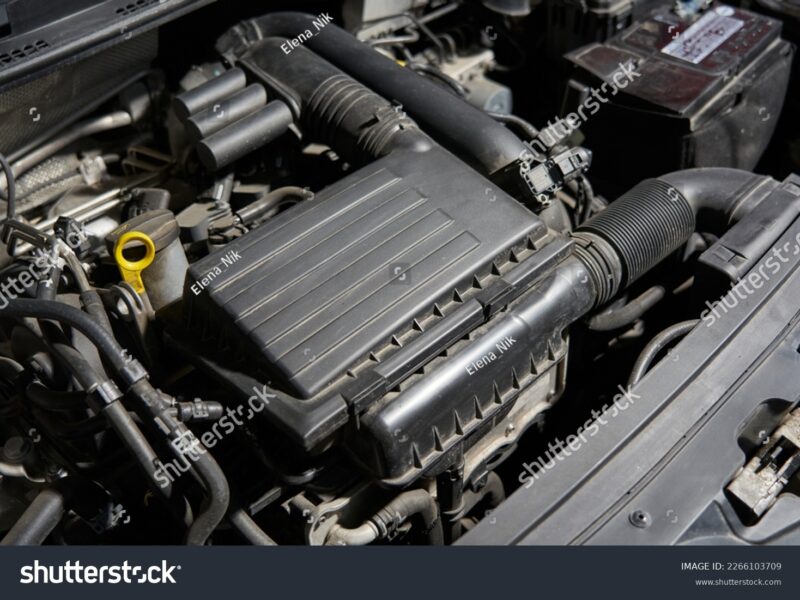
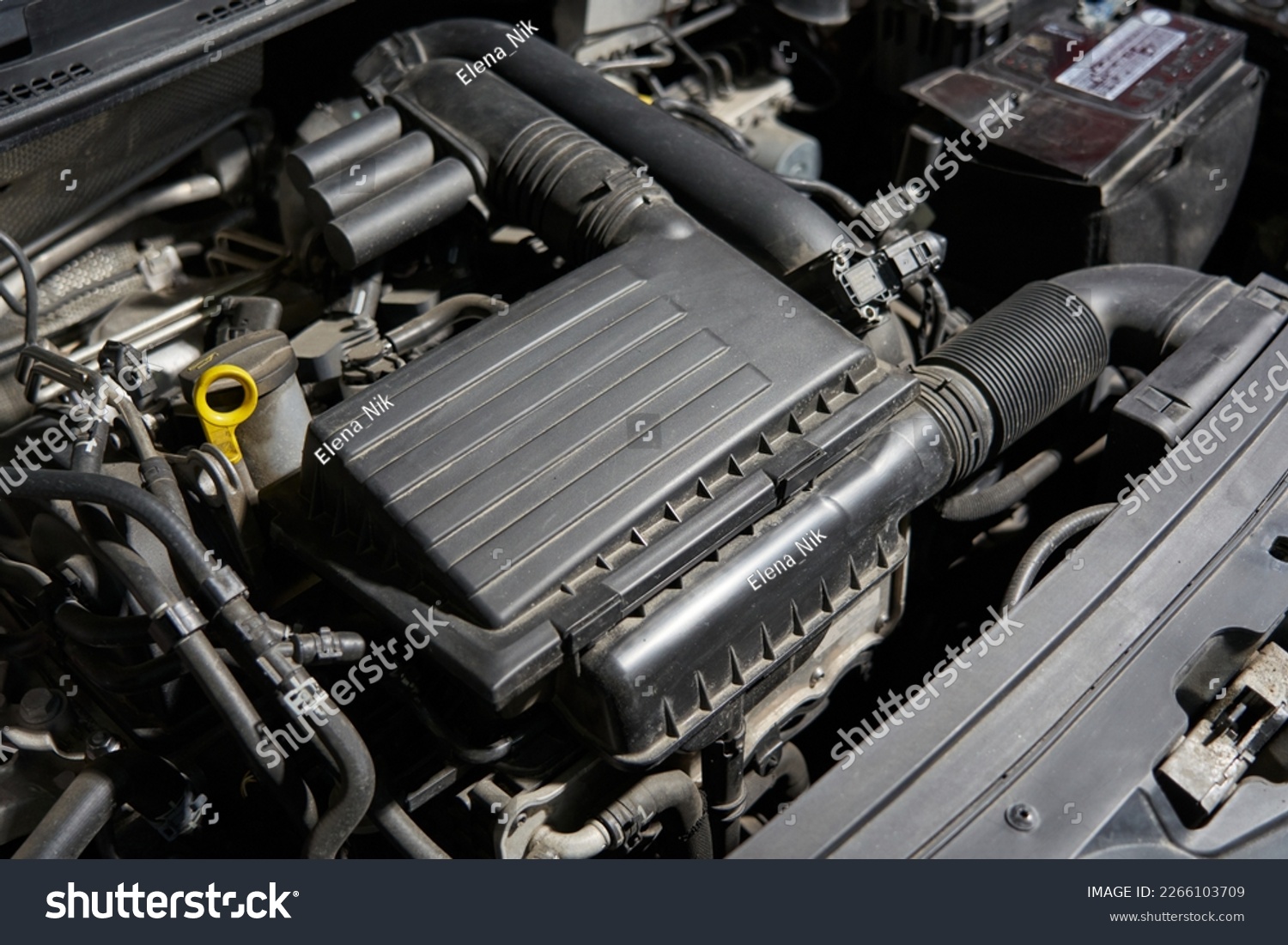
The engine air filter serves as the first line of defense for your vehicle’s internal combustion engine. Its critical role involves meticulously filtering incoming air before it mixes with fuel and enters the combustion chambers. This process prevents abrasive particles such as dust, dirt, pollen, insects, and road debris from reaching vital internal engine components, which could otherwise lead to premature wear, reduced performance, and costly damage over time.
Without an effective engine air filter, contaminants can infiltrate the engine, causing scuffs on cylinder walls, piston rings, and valve seats. This abrasion compromises engine efficiency, increases oil consumption, and can significantly shorten the engine’s lifespan. A clean engine air filter ensures a consistent supply of clean, unrestricted air, which is paramount for optimal fuel combustion, maintaining horsepower, and achieving peak fuel efficiency.
Automotive air filtration involves three primary categories: engine air filters, cabin air filters, and oil filters, each integral to vehicle maintenance. The engine air filter is specifically designed to handle high volumes of airflow, typically made from pleated paper or synthetic fibers, and housed in an airbox connected to the engine’s intake system. Regular inspection and replacement are crucial to ensure your engine operates effectively, protecting its intricate mechanisms from harmful airborne elements.
How Does a Cabin Air Filter Safeguard Your Vehicle’s Interior?
In contrast to the engine air filter, the cabin air filter is designed to purify the air that circulates within your vehicle’s passenger cabin. This filter actively traps pollutants such as dust, pollen, soot, exhaust fumes, and other airborne allergens and particles before they enter through the heating, ventilation, and air conditioning (HVAC) system. By doing so, it significantly improves the air quality that drivers and passengers breathe, contributing to a healthier and more comfortable driving experience.
A properly functioning cabin air filter is particularly beneficial for individuals with allergies, asthma, or other respiratory sensitivities, as it reduces their exposure to common irritants. It also helps in mitigating unpleasant odors emanating from outside the vehicle, such as traffic fumes or agricultural smells, by often incorporating activated carbon layers designed to absorb gaseous pollutants. This purification ensures that the air circulated by your AC system is as clean and fresh as possible.
Detecting a dirty cabin air filter isn’t complicated if you know the signs. One of the most prominent symptoms is a noticeable reduction in airflow from your vehicle’s vents. If the air feels weak or insufficient even when the blower is set to high, it’s a strong indicator that the filter is obstructed and needs checking. Furthermore, 4 warning signs of a dirty cabin air filter include persistent unpleasant odors, increased fan noise, and visible dust on interior surfaces, all pointing to a compromised cabin environment.
Key Differences in Filtration Mechanism and Lifespan
The fundamental distinction in filtration mechanisms lies in their target contaminants and required efficiency. Engine air filters are primarily focused on removing relatively larger particulate matter (typically >5-10 microns) to prevent mechanical abrasion within the internal combustion engine. They are engineered for high airflow capacity and robustness, often utilizing pleated paper or synthetic media with a MERV (Minimum Efficiency Reporting Value) rating typically between 8 and 10, effectively capturing 85-90% of particles ranging from 3.0 to 10.0 microns.
Cabin air filters, conversely, are designed for finer filtration, targeting smaller particles (as low as 0.3 microns) to protect human respiratory systems. Many high-quality cabin filters feature multi-layer synthetic media, some incorporating activated carbon for odor absorption, and others meeting HEPA (High-Efficiency Particulate Air) standards, which capture 99.97% of airborne particles 0.3 microns in size. This advanced filtration is crucial for removing allergens, bacteria, and microscopic pollutants that affect air quality within the passenger cabin.
Regarding lifespan, engine air filters generally require replacement every 15,000 to 45,000 miles (24,000 to 72,000 kilometers), depending on driving conditions and vehicle manufacturer recommendations. Driving in dusty or polluted environments may necessitate more frequent changes. Cabin air filters typically have a shorter replacement interval, often recommended every 12,000 to 15,000 miles (19,000 to 24,000 kilometers) or once a year, as they can quickly become saturated with pollen, dust, and other contaminants, leading to reduced airflow and unpleasant odors if neglected.
Why are Both Engine and Cabin Air Filters Crucial for Vehicle Maintenance?
Understanding car air filters is crucial for maintaining vehicle health, optimizing performance, and ensuring a comfortable driving environment. The engine air filter and the cabin air filter, despite their different functions, are equally vital for the overall well-being of your vehicle and its occupants. Neglecting either can lead to a cascade of issues, from diminished engine power and reduced fuel efficiency to compromised interior air quality and potential health concerns for passengers.
A dirty engine air filter restricts airflow to the engine, forcing it to work harder to draw in the necessary air for combustion. This can lead to a noticeable decrease in horsepower, slower acceleration, and, crucially, a significant drop in fuel economy. Over time, persistent contamination can also lead to more serious engine problems, highlighting the importance of timely replacement to maintain the fundamental role of a car air filter in engine protection.
Similarly, a clogged cabin air filter can severely impact the quality of air inside your car, leading to musty smells and reduced effectiveness of the AC system. If the air feels weak or insufficient even when the blower is set to high, it’s a clear indication that the filter needs inspection. A clogged filter can harbor mold or mildew, leading to musty smells that linger in the cabin and can exacerbate respiratory issues. Therefore, understanding and replacing both types of filters is not just about maintenance; it’s about preserving performance, ensuring comfort, and protecting health.
| Feature | Engine Air Filter | Cabin Air Filter |
|---|---|---|
| Primary Function | Protects the engine from contaminants, ensures clean air for combustion. | Purifies air entering the passenger cabin, protects occupants from pollutants. |
| Location | Within the engine compartment, usually in an airbox near the engine. | Behind the glove compartment, under the dashboard, or under the hood near the cowl. |
| Lifespan/Replacement | Typically 15,000 – 45,000 miles (24,000 – 72,000 km) or annually. | Typically 12,000 – 15,000 miles (19,000 – 24,000 km) or annually. |
| Filtration Target | Larger particles (dust, dirt, debris, pollen) >5-10 microns. | Fine particles (pollen, dust, soot, allergens, exhaust fumes) down to 0.3 microns; odors. |
| Key Indicators for Replacement | Reduced fuel economy, decreased engine performance, dark/visibly dirty filter. | Reduced airflow from vents, unpleasant odors, increased fan noise, visible dust inside cabin. |
| Typical Efficiency (MERV) | MERV 8-10 (captures 85-90% of 3-10 micron particles). | MERV 11-16 (often including activated carbon or HEPA equivalent for 0.3 micron particles). |
FAQs About Engine and Cabin Air Filters
How Often Should I Replace My Engine Air Filter?
The recommended replacement interval for an engine air filter generally ranges from every 15,000 to 45,000 miles (approximately 24,000 to 72,000 kilometers). However, this can vary significantly based on your driving conditions and the vehicle manufacturer’s guidelines. If you frequently drive in dusty environments, on unpaved roads, or in areas with high air pollution, you may need to replace it more often, sometimes as frequently as every 10,000 miles (16,000 kilometers) to ensure optimal engine performance and longevity. Regular visual inspections during routine maintenance are highly recommended to assess its condition.
What Are the Common Signs of a Clogged Cabin Air Filter?
There are 4 common warning signs of a dirty cabin air filter that indicate it’s time for replacement. The most prominent symptom is a noticeable reduction in airflow from your vehicle’s vents, even when the blower fan is set to its highest speed. Secondly, the presence of persistent unpleasant or musty odors emanating from the AC system is a clear sign, often indicating mold or mildew growth within the clogged filter. Additionally, increased fan noise as the system struggles to push air through the obstruction, and visible dust accumulation on your dashboard or interior surfaces, are strong indicators that your cabin air filter is compromised and needs attention.
Can a Dirty Engine Air Filter Affect Fuel Economy?
Yes, a dirty engine air filter can significantly impact your vehicle’s fuel economy. When the air filter becomes clogged with dirt and debris, it restricts the amount of clean air reaching the engine. This forces the engine to work harder to draw in air, leading to an inefficient air-fuel mixture. The engine’s computer (ECU) may compensate by injecting more fuel to maintain performance, resulting in decreased fuel efficiency and increased fuel consumption. Maintaining a clean engine air filter ensures optimal combustion, helping your vehicle achieve its rated miles per gallon (MPG) or kilometers per liter (KPL).
Are There Different Types of Filtration Media for Cabin Air Filters?
Yes, cabin air filters utilize various types of filtration media to achieve different levels of air purification. Standard cabin air filters typically use pleated paper or synthetic fibers to trap dust, pollen, and larger particles. More advanced options include activated carbon cabin filters, which feature an additional layer of activated carbon to absorb odors, exhaust fumes, and other gaseous pollutants, significantly improving interior air freshness. Some premium cabin filters even meet HEPA (High-Efficiency Particulate Air) standards or utilize electrostatically charged media to capture ultrafine particles as small as 0.3 microns, providing superior protection against allergens, bacteria, and microscopic contaminants.