A downpipe is a pivotal component of a turbocharged vehicle’s exhaust system, serving as the vital link between the turbocharger’s turbine housing and the rest of the exhaust setup. This crucial element channels high-temperature exhaust gases away from the turbocharger. By optimizing exhaust gas flow and managing back pressure, an upgraded downpipe can dramatically enhance your turbo car’s power, throttle response, and sound. This transformation not only elevates your vehicle’s performance but also heightens your overall driving experience.
What is a Downpipe in a Turbocharged Vehicle?
The downpipe is the initial segment of exhaust piping that immediately follows the turbocharger. Its primary role is to evacuate spent exhaust gases from the turbine housing. In factory-equipped turbocharged vehicles, this component typically includes a catalytic converter to minimize emissions. However, stock downpipes often feature designs that restrict exhaust flow due to narrower diameters and sharp bends. Consequently, this creates undesirable back pressure, hampering the turbocharger’s efficiency and limiting the engine’s capacity to reach peak power.
How Does a Downpipe Upgrade Enhance Turbo Car Performance?
Upgrading your downpipe can significantly enhance performance by optimizing exhaust gas flow and minimizing turbocharger back pressure. This improvement means faster spool times and reduced turbo lag, leading to a noticeable increase in horsepower and torque, along with quicker throttle response.
Understanding Exhaust Gas Flow and Back Pressure
Exhaust gas flow refers to how spent gases move from the engine cylinders, through the turbocharger, and out of the exhaust system. In turbocharged engines, these gases drive the turbine, which spins the compressor and forces additional air into the engine. Excessive back pressure—often caused by restrictive stock downpipes and catalytic converters—hinders this smooth expulsion. A performance downpipe, characterized by larger diameters and smoother bends, minimizes resistance, allowing gases to exit more freely. This reduction in workload on the turbo enables it to spool up faster and achieve peak boost without delay.
What are the Different Types of Downpipe Upgrades?
Aftermarket downpipe upgrades are generally categorized into two types: catted and catless. This distinction is determined by the presence or absence of a catalytic converter, with each type offering distinct performance benefits.
Catted Downpipes: High-Flow Catalytic Converters
Catted downpipes feature a high-flow catalytic converter designed to more efficiently filter harmful emissions than stock alternatives, all while minimizing exhaust gas restrictions. This thoughtful balance allows for performance gains without compromising environmental standards, making them suitable for street-driven vehicles in regions with emissions regulations. High-flow catalytic converters often utilize metallic substrates, providing enhanced flow rates and durability compared to conventional ceramic options.
Catless Downpipes: Maximizing Exhaust Flow
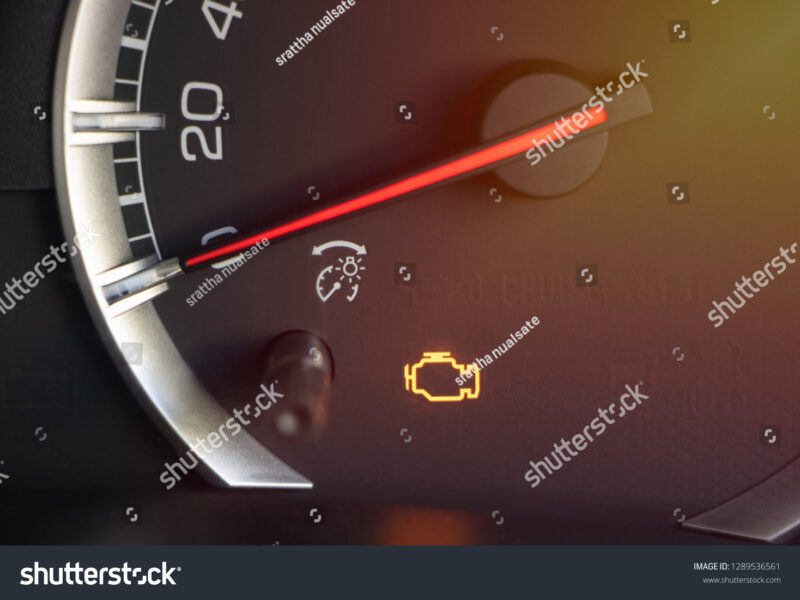
On the other hand, catless downpipes eliminate the catalytic converter entirely, providing the least restrictive flow possible and maximizing horsepower and torque gains. However, this removal also leads to significantly increased harmful emissions, making them illegal for street use in many areas, including most U.S. states. Additionally, installing a catless downpipe often triggers a Check Engine Light (CEL) due to the absence of the catalytic converter, which necessitates ECU tuning to resolve the issue.
Materials and Construction of Performance Downpipes
Performance downpipes are primarily constructed from 304-grade stainless steel, renowned for its durability and resistance to corrosion from high exhaust temperatures. Some premium options even utilize titanium to further reduce weight, though these typically come at a higher price point. Moreover, the design of performance downpipes often includes mandrel bends that foster smooth exhaust gas flow and prevent the kinks or diameter reductions common in factory components. Performance downpipe diameters generally range from 3 inches, capable of supporting 500-600 horsepower before becoming a potential limitation.
What are the Key Benefits of Installing a Performance Downpipe?
Upgrading to a performance downpipe provides an array of compelling advantages for turbocharged vehicles:
- Increased Horsepower and Torque: By lowering back pressure and enhancing exhaust flow, a downpipe upgrade can yield horsepower gains of 15-30 HP for most turbocharged vehicles. Some setups can achieve impressive boosts of over 50 HP when coupled with additional modifications and tuning.
- Improved Throttle Response and Reduced Turbo Lag: Quicker turbo spool achieved through reduced exhaust flow resistance results in a more immediate response during acceleration, minimizing the typical lag often associated with turbo engines.
- Enhanced Exhaust Note: Performance downpipes produce a deeper, more aggressive sound, attracting enthusiasts who seek an amplified auditory experience.
- Increased Fuel Efficiency: An efficiently operating engine can improve fuel economy under certain driving conditions, as it breathes better and exerts less effort.
What are the Considerations and Potential Drawbacks of a Downpipe Upgrade?
While the advantages of a downpipe upgrade are considerable, it’s essential to remain aware of potential downsides:
- Emissions Regulations and Legality: Catless downpipes are illegal for street use in numerous jurisdictions due to their adverse impact on emissions, which may lead to fines or vehicle confiscation. High-flow catted downpipes might not comply with the strictest emissions standards, such as those in California.
- Check Engine Light (CEL): Altering or removing the factory catalytic converter usually triggers a CEL, as the vehicle’s ECU detects changes in exhaust gas composition through its oxygen sensors. This often requires ECU tuning to address.
- Increased Noise (Drone): The design of aftermarket downpipes can amplify the exhaust note, which some drivers may find results in unwanted “drone” at specific RPMs.
- Cost and Warranty Impact: Performance downpipes and the necessary ECU tuning represent a significant investment, and modifying exhaust components may void parts of a vehicle’s factory warranty.
| Feature | Catted Downpipe | Catless Downpipe |
|---|---|---|
| Catalytic Converter | High-flow included | None |
| Emissions Compliance | Improved over stock, generally compliant | Non-compliant, illegal for street use in most regions |
| Performance Gain | Significant, noticeable | Maximum potential |
| Check Engine Light (CEL) | Less likely with proper high-flow cat, may still occur | Highly likely, requires ECU tuning |
| Exhaust Sound | Enhanced, sporty | Aggressive, significantly louder |
| Cost | Higher (due to catalytic converter) | Lower (no catalytic converter) |
Is ECU Tuning Necessary with a Downpipe Upgrade?
Absolutely; ECU tuning is highly recommended and often critical when installing a performance downpipe, particularly a catless variant. The Engine Control Unit (ECU) is calibrated based on the stock exhaust system’s back pressure and airflow characteristics. An upgraded downpipe alters these dynamics, which could lead to an imbalanced air-fuel ratio, higher exhaust gas temperatures, and a CEL. Proper ECU tuning readjusts fuel delivery, ignition timing, and boost levels, optimizing the engine’s performance with the new setup, maximizing power gains and preventing potential engine damage. Without appropriate tuning, the benefits of the downpipe may be limited, or it could even cause complications such as over-boosting or erratic performance. To ensure optimal vehicle performance and safety, including factors like tire pressure, explore more about Understanding Your TPMS: The Importance of Car Tire Pressure Monitoring Systems.
FAQ
Does a downpipe require ECU tuning?
Yes, installing a downpipe, particularly a catless one, typically necessitates ECU tuning to optimize performance, prevent a Check Engine Light (CEL), and ensure safe operation with the modified exhaust flow and back pressure.
Will a downpipe pass emissions?
A catless downpipe generally fails emissions testing and is illegal for street use in various jurisdictions due to the lack of a catalytic converter. High-flow catted downpipes may comply, but this relies on local regulations and the quality of the catalytic converter.
How much horsepower does a downpipe add?
Most turbocharged vehicles can anticipate a downpipe upgrade to yield between 15-30 horsepower. When coupled with complementary modifications and proper ECU tuning, gains can exceed 50 horsepower. To enhance vehicle performance, pay attention to the condition of your tires. Discover more about When to Replace Tires: Essential Signs for Optimal Vehicle Safety and Performance. Choosing the right tires, such as Boost Your Drive: An Introduction to Performance Car Tires, can also amplify the benefits of your engine upgrades.