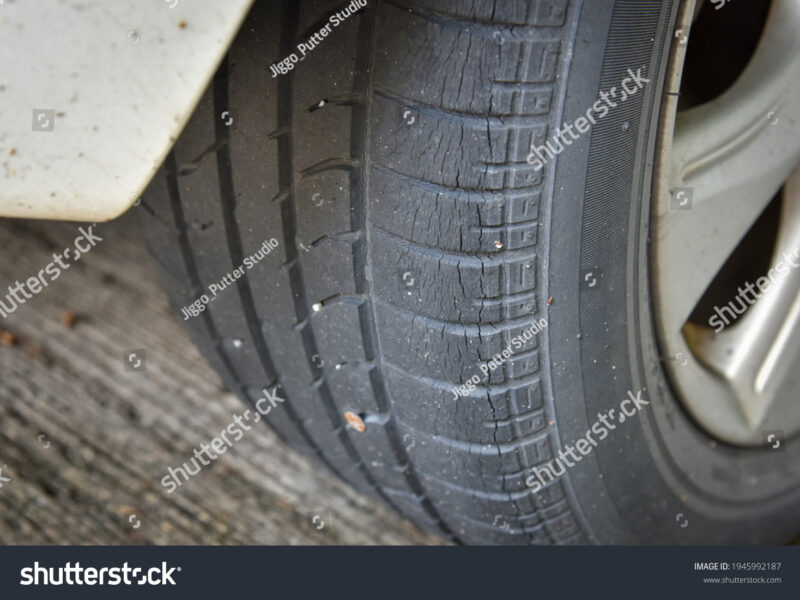
Fuel-efficient tires, also known as low rolling resistance (LRR) tires, are expertly designed to minimize energy loss as they roll. This innovative approach significantly lessens the effort required for a vehicle to move, resulting in improved fuel economy. By reducing friction between the tire and the road, these specialized tires can lead to lower fuel consumption and operating costs for drivers. Notably, research shows that 5–15% of the fuel consumed by a typical gasoline vehicle is used to overcome rolling resistance, highlighting the crucial role of tire selection in enhancing vehicle efficiency.
What Defines a Fuel-Efficient Tire?
Fuel-efficient tires stand out due to their unique design features and materials aimed at reducing rolling resistance. This resistance, a force that counteracts a tire’s motion, is caused by the tire’s deformation and the heat generated as energy dissipates, a phenomenon known as hysteresis. The primary focus of these tires is to minimize this energy loss, thereby enhancing performance.
How Does Rolling Resistance Affect Fuel Consumption?
Rolling resistance is a critical factor influencing a vehicle’s fuel consumption. The engine must exert more energy to overcome this force to maintain a constant speed. Tires engineered for lower rolling resistance require less energy, allowing the engine to operate more efficiently and conserve fuel. Studies reveal that tires can account for up to 20% of a car’s fuel usage, underscoring that low rolling resistance is vital for improving fuel efficiency. Recognized standards by the Society of Automotive Engineers (SAE), such as SAE J1269 and SAE J2452, accurately measure the rolling resistance coefficient (RRC) of tires; a lower RRC equates to greater energy efficiency.
What Materials and Designs Optimize Tire Efficiency?
Advancements in materials and structural design play a vital role in boosting tire efficiency. Fuel-efficient tires typically utilize specially formulated tread compounds, often silica-based, which are far more effective at reducing heat generation than traditional rubber, thereby minimizing energy lost to hysteresis. Their tread patterns are crafted to be smoother and shallower, minimizing road drag while ensuring secure traction across different conditions. Furthermore, stiffer sidewalls are designed to limit tire deformation during motion, further decreasing energy dissipation. The use of lightweight materials also contributes to lowering the overall mass of the tire, making it easier for the vehicle to accelerate efficiently.
What are the Benefits of Choosing Fuel-Efficient Tires?
Selecting fuel-efficient tires offers numerous advantages that extend beyond mere financial savings, touching on economic and environmental factors. These benefits make them a smart choice for a wide variety of drivers.
How Do Fuel-Efficient Tires Reduce Operating Costs?
Fuel-efficient tires significantly lower vehicle operating costs primarily by reducing fuel consumption. By improving fuel economy by approximately 1% to 5%, these tires can lead to tangible savings at the gas pump over their lifespan. For instance, a vehicle achieving 25 miles per gallon (mpg) could save around 15 gallons annually with just a 2% increase in efficiency, equating to several full tanks of gas over the tires’ lifetime. While the initial investment for fuel-efficient tires may be higher due to their advanced designs, the long-term savings typically justify this expense. Regular maintenance, such as ensuring correct tire pressure, can further amplify these benefits, an essential aspect of overall vehicle budget management.
What is the Environmental Impact of Eco-Friendly Tires?
Eco-friendly tires play a significant role in reducing greenhouse gas emissions. With reduced fuel consumption comes a direct decrease in carbon dioxide (CO2) emissions; for instance, conserving one gallon of gasoline prevents roughly 20 pounds of CO2 from entering the atmosphere. Moreover, many manufacturers are incorporating recycled rubber and sustainable materials in their eco-friendly tire lines, minimizing environmental impact during production. By selecting these tires, drivers actively contribute to a greener driving experience, aligning with broader sustainability goals in automotive performance.
How Do Fuel-Efficient Tires Compare to Standard Tires?
The difference between fuel-efficient tires and standard tires becomes particularly evident in their approach to reducing rolling resistance, impacting performance metrics across various factors.
Fuel-efficient tires primarily focus on minimizing rolling resistance for enhanced fuel economy, while standard tires may prioritize attributes like grip, handling, or durability, often at the expense of efficiency.
| Feature | Fuel-Efficient Tires | Standard Tires |
|---|---|---|
| Rolling Resistance | Significantly lower, minimizing energy loss | Higher, leading to increased energy loss |
| Fuel Economy Impact | Improves MPG by 1-5% or more | Less impact on MPG, potentially higher fuel consumption |
| Tread Compound | Specialized silica-based compounds to reduce heat generation | Diverse compounds, often less focused on heat reduction |
| Tread Design | Smoother, shallower patterns for reduced drag | Varied patterns, some aggressive for traction (e.g., off-road) |
| Sidewall Rigidity | Often stiffer to minimize deformation | Can be more flexible for ride comfort or specific handling |
| Initial Cost | Potentially higher due to advanced technology | Generally lower |
| Lifespan | Can be longer due to reduced wear and tear, depending on technology | Varies widely, but some LRR designs maintain longevity |
What Factors Influence the Performance of Fuel-Efficient Tires?
Numerous external and operational factors can significantly impact both the fuel efficiency and overall performance of fuel-efficient tires. These elements interact with the tire’s inherent design, shaping real-world outcomes.
How Does Tire Pressure Impact Fuel Efficiency?
Maintaining correct tire pressure is crucial for optimizing fuel efficiency. Under-inflated tires increase rolling resistance since a larger portion of the tire’s surface contacts the road, forcing the engine to exert additional effort and consume more fuel. Conversely, over-inflated tires may reduce the contact patch and rolling resistance but can negatively affect ride quality, traction, and braking performance, especially on wet surfaces. Adhering to the manufacturer’s recommended tire pressure, usually indicated on the vehicle’s door sticker or in the owner’s manual, is essential for maximizing fuel economy and ensuring safety. Routine monthly tire pressure checks are strongly recommended.
What Role Does Driving Style Play in Tire Performance?
Driving style is a critical factor that can significantly affect the effectiveness of fuel-efficient tires. Aggressive driving habits, such as rapid acceleration, abrupt braking, and sharp cornering, undermine the low rolling resistance properties of these tires, leading to increased energy dissipation and wear. Embracing smoother driving techniques, such as gentle acceleration and braking and maintaining steady speeds, enables the tires to perform within their optimal efficiency range, maximizing fuel savings. The way one drives also directly impacts the overall health of the vehicle, illustrating that mindful operation is essential for both engine health and tire efficiency.
How to Select the Best Fuel-Efficient Tires for Your Vehicle?
Choosing the right fuel-efficient tires requires evaluating various ratings and selecting reputable manufacturers to ensure peak performance and savings.
The selection process should emphasize finding tires that strike a balance between low rolling resistance and critical safety features, such as wet grip and durability. Factors like vehicle type, typical driving conditions, and budget significantly influence a well-informed choice.
What Tire Ratings Should You Consider?
When selecting fuel-efficient tires, consider several key ratings and certifications. The EU Tyre Label provides a clear fuel efficiency rating on a scale from A (most efficient) to E (least efficient), directly reflecting the tire’s rolling resistance. An A-rated tire can significantly outperform an E-rated option, potentially saving about 0.6 liters per 100 km, or up to 7.5% in fuel consumption. Additionally, the label includes ratings for wet grip (A-E, indicating braking performance on wet roads) and external noise emission (measured in decibels), both critical for safety and comfort. Some tires may additionally carry certifications like the EPA’s SmartWay, confirming properties that lower fuel consumption by 3% or more. Consumers should also check the treadwear ratings, typically found on the tire sidewall, as a higher treadwear rating usually signifies a longer-lasting tire.
Which Brands Offer Leading Fuel-Efficient Tire Options?
Several reputable brands provide top-tier fuel-efficient tire options, employing cutting-edge technology to achieve low rolling resistance without compromising safety or performance. Key players in this segment include:
- Michelin: The Michelin Energy Saver A/S is renowned for its low rolling resistance and impressive durability, potentially saving up to 65 gallons of fuel over its lifetime. Other options like the Michelin Primacy 4 and Energy Saver+ also prioritize efficiency and longevity.
- Bridgestone: The Ecopia line from Bridgestone, including models like the Ecopia EP422 and EP422 Plus, emphasizes fuel efficiency and ecological responsibility, often integrating NanoPro-Tech and recycled rubber. The Turanza T005 additionally offers exceptional grip combined with fuel efficiency.
- Goodyear: The Assurance Fuel Max tire from Goodyear can reduce rolling resistance by up to 27%, ensuring reliable traction across various weather conditions. The EfficientGrip Performance 2 also merges high mileage with fuel efficiency.
- Continental: Continental offers a variety of fuel-efficient options such as the ContiEcoContact 6 and Continental PureContact with EcoPlus Technology, balancing performance, durability, and optimal fuel economy. The CrossContact LX20 caters to light trucks and SUVs, focusing on fuel savings.
- Pirelli: Pirelli’s Scorpion Verde All Season and Cinturato P7 All Season Plus II are designed for reduced rolling resistance while delivering enhanced control and a quieter ride.
- Firestone: The Firestone Champion Fuel Fighter incorporates Fuel Fighter™ technology, ensuring a smooth ride with low rolling resistance.
Frequently Asked Questions About Fuel-Efficient Car Tires
Are fuel-efficient tires worth the extra cost?
Absolutely. Fuel-efficient tires are generally a wise investment. While their upfront cost may be higher, the long-term savings from reduced fuel consumption often outweigh this expense, especially for frequent drivers. Over the lifespan of the tires, drivers can save hundreds to potentially thousands of dollars in fuel costs, making these tires a financially sound choice.
Do fuel-efficient tires compromise safety or performance?
Today’s fuel-efficient tires are designed with safety as a priority, minimizing potential trade-offs. While earlier low-rolling resistance tire designs occasionally sacrificed grip or braking performance, advancements—such as state-of-the-art silica compounds and optimized tread designs—enable manufacturers to provide excellent wet and dry grip alongside improved fuel economy. However, certain high-performance or off-road tires may still offer superior grip at the cost of fuel efficiency.
How can I maximize the fuel efficiency of my tires?
To fully capitalize on your tires’ fuel efficiency, maintain the recommended tire pressure to avoid under-inflation, which increases rolling resistance. Additionally, adopt smooth driving habits with gradual acceleration and braking. Regularly check wheel alignment and rotate your tires at suggested intervals to extend their lifespan and enhance efficiency. Finally, adhering to ongoing vehicle maintenance, including air filter replacement, significantly contributes to overall performance and fuel economy.