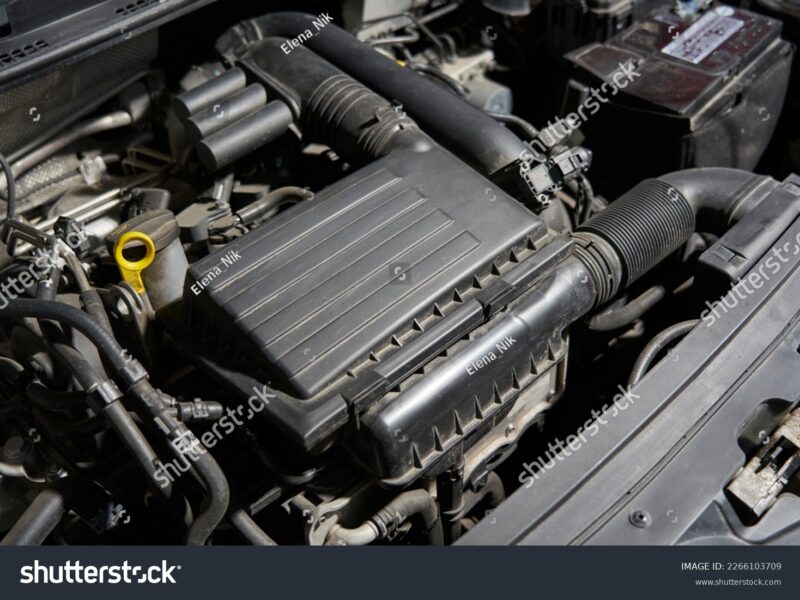
An air filter is an essential component in both heating, ventilation, and air conditioning (HVAC) systems, as well as internal combustion engines. Its primary function is to capture airborne particulates and contaminants, ensuring a constant flow of clean air. This not only enhances indoor air quality but also protects the longevity of your equipment and boosts its overall efficiency.
What is an Air Filter and Why is its Installation Crucial?
At its core, an air filter serves as a porous barrier that captures solid particulates such as dust, pollen, mold, and even bacteria from the air. When installed correctly, a proper air filter prevents these pollutants from circulating within your living spaces or infiltrating sensitive engine components. This simple yet effective step boosts system performance and extends the lifespan of your equipment. However, incorrect installation can allow air to bypass the filter, rendering it ineffective.
What Are the Different Types of Air Filters Available?
Air filters are available in various types, each categorized by their material composition and efficiency, typically measured by the MERV (Minimum Efficiency Reporting Value) rating. A higher MERV rating indicates superior filtration capabilities. Common options include disposable fiberglass filters, pleated filters, washable filters, and high-efficiency particulate air (HEPA) filters, each tailored for specific applications and varying particulate sizes.
| Filter Type | Material | MERV Rating Range | Typical Application | Key Characteristic |
|---|---|---|---|---|
| Fiberglass | Spun fiberglass | 1-4 | Basic residential HVAC | Low cost, traps large particles |
| Pleated | Cotton, polyester blend | 5-13 | Residential/Commercial HVAC | Improved efficiency, larger surface area |
| Washable | Electrostatic synthetic | Up to 4 | Residential HVAC | Reusable, requires cleaning |
| HEPA | Borosilicate glass fibers | 17-20 | Medical, cleanrooms, advanced residential | Captures 99.97% of 0.3-micron particles |
| Activated Carbon | Carbon pellets/fibers | Varies (often combined) | Odor removal, gas filtration | Absorbs gases and volatile organic compounds |
What Tools and Materials are Required for Air Filter Installation?
When it comes to air filter installations, the required tools are minimal. You’ll typically need a new air filter that fits your system’s specifications, gloves to handle potentially dirty filters, and a marker to note the installation date. Additionally, HVAC systems or automotive airboxes may require a screwdriver to access panels or release clamps.
What are the Steps for Installing an Air Filter in an HVAC System?
Installing an air filter in an HVAC system is a straightforward task that significantly enhances indoor air quality. Begin by locating the filter slot, which is typically found in the return air duct, furnace, or air handler unit. To ensure safety, turn off the power to the HVAC system at the thermostat or circuit breaker. Open the filter access panel or remove the old filter, paying careful attention to the airflow direction indicated by an arrow on the filter frame. Insert the new filter, ensuring the airflow arrow aligns properly. Finally, close the access panel and restore power to your HVAC system.
How Does Air Filter Installation Differ for Automotive Applications?
In automotive environments, air filter installation is critical for protecting the engine from contaminants that could impair performance and fuel efficiency. Generally housed in a plastic airbox located under the hood and connected to the throttle body, replacing an engine’s air filter involves unlatching or unscrewing the airbox cover, removing the old filter, and clearing any debris from the housing. After installing the new filter, ensure it fits snugly and securely reattach the cover. Regularly replacing this crucial component, much like changing your oil filter, is essential for optimal engine performance and protection against harmful particulates entering the combustion chamber, which can lead to premature wear on engine components.
How Often Should an Air Filter Be Replaced?
The frequency of air filter replacement depends on several factors, including filter type, environmental conditions, and the level of system usage. Most residential HVAC filters require replacement every 30 to 90 days. If your home includes pets, has allergy sufferers, or is situated in a dusty area, consider changing filters every 30-60 days. For automotive air filters, replacements are typically necessary every 15,000 to 30,000 miles, influenced by factors such as frequent off-road driving conditions.
What are the Benefits of Proper Air Filter Installation and Maintenance?
Investing in proper air filter installation and regular maintenance yields significant rewards for both your indoor air quality and vehicle efficiency. For HVAC systems, the benefits include enhanced indoor air quality (IAQ), reduced energy consumption through unrestricted airflow, and prolonged equipment lifespan by minimizing dirt accumulation. In vehicles, clean air filters boost engine performance, improve fuel efficiency, and safeguard against costly repairs. Ensuring your filter is correctly seated is crucial for preventing air leakage and maximizing filtration effectiveness. Moreover, understanding filtration extends beyond air—consider how your oil filter protects your engine for a comprehensive maintenance strategy.
Frequently Asked Questions About Air Filter Installation
What indicates that an air filter needs replacement?
Symptoms of a failing air filter often include reduced airflow from vents, increased energy bills, visibly dirty or debris-laden filter media, and declining indoor air quality, which may exacerbate allergy symptoms. In vehicles, indicators like decreased engine power or poorer fuel economy can signify a clogged air filter.
Can I install a higher MERV filter than my system recommends?
While selecting a filter with a higher MERV rating can improve filtration, using one that exceeds your HVAC system’s specifications could restrict airflow. This increased static pressure risks straining your system’s fan, leading to inefficiency and potential damage. Always consult your HVAC system’s manual for the recommended MERV range.
Is it necessary to turn off power before changing an HVAC air filter?
Absolutely! Always turn off the power to your HVAC system before changing the air filter. This essential safety precaution prevents the fan from unexpectedly starting while you’re working, ensuring a safe environment for maintenance.