Brake bias, often referred to as brake balance, involves the distribution of braking force between a vehicle’s front and rear axles. This crucial parameter not only influences how effectively a car decelerates but also plays a vital role in its stability, handling characteristics, and overall safety during various braking maneuvers. While many might associate brake bias with the high-octane world of motorsports, optimizing this aspect has significant benefits for everyday street cars. It enables more controlled stops, thus reducing the risk of accidents and enhancing safety on the road.
What is Brake Bias and Why is it Critical for Street Cars?
Brake bias represents the percentage of total braking power allocated to the front wheels compared to the rear. For example, a setting of 70% front bias indicates that 70% of the braking force is directed to the front brakes, with the remaining 30% applied to the rear. This distribution is essential because, during braking, the dynamic weight transfer shifts much of the vehicle’s mass forward. If the brake bias is improperly calibrated, the rear wheels may lock up prematurely due to reduced traction, resulting in instability or even a dangerous spin. Typically, factory street vehicles are designed with a front bias ranging from 60-70% for Rear-Wheel Drive (RWD) models and can go up to 80% for Front-Wheel Drive (FWD) vehicles. This design enhances stability during diverse driving conditions and prevents unwanted rear wheel lock-up, which can lead to severe oversteer.
How Does Front-to-Rear Braking Force Distribution Influence Vehicle Dynamics?
The distribution of braking force between the front and rear wheels has a direct impact on a vehicle’s behavior during deceleration, particularly in terms of tire grip and stability. As brakes are applied, the car’s momentum causes weight to shift towards the front wheels, increasing their vertical load and potential grip. Conversely, this shift diminishes the load and grip on the rear wheels. An incorrect brake bias can result in suboptimal braking, where one set of tires reaches their grip limit and locks up prematurely, failing to fully utilize the braking potential across all four tires.
What are the Components Involved in Adjusting Brake Bias?
Several components within a vehicle’s braking system play a crucial role in adjusting brake bias:
- Proportioning Valve: This valve regulates hydraulic pressure to the rear brakes, minimizing it in relation to the front brakes to prevent early rear wheel lock-up. For customization, adjustable proportioning valves allow manual tuning of this pressure distribution.
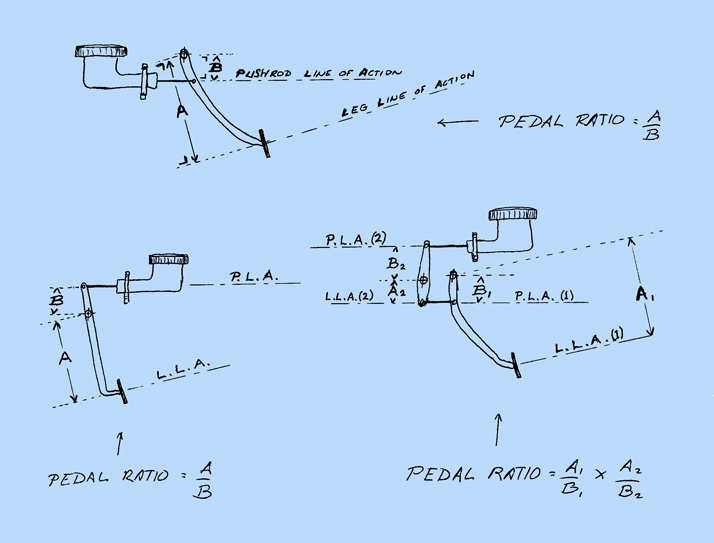
- Master Cylinder Piston Sizes: The bore size of the master cylinder(s) affects the hydraulic pressure generated for the front and rear circuits, thus influencing brake bias. For systems with dual master cylinders, a balance bar mechanism can fine-tune the force applied to each, effectively adjusting the bias.
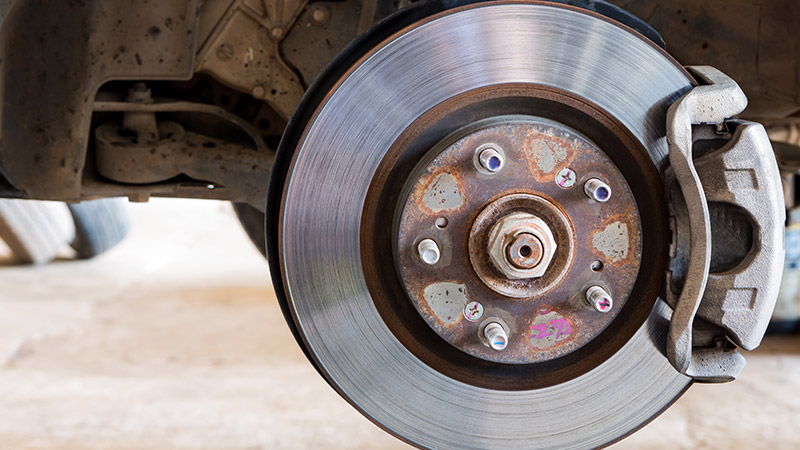
- Caliper Piston Area and Rotor Diameter: Larger caliper pistons or rotors at an axle will generate greater braking force there, modifying the brake bias. To explore how different caliper types impact braking, check out Single, Dual, or Multi-Piston? Understanding Brake Caliper Piston Types and Their Impact.
- Brake Pad Friction Coefficients: Brake pad compounds vary in friction levels at different temperatures. Using pads with a higher coefficient of friction on one axle can shift the brake bias in that direction.
- Tires and Suspension: The grip from the tires and the suspension setup significantly influence dynamic weight transfer and traction, affecting the effective brake bias.
- Electronic Brakeforce Distribution (EBD): Many modern vehicles equipped with Anti-lock Braking Systems (ABS) use EBD, which dynamically adjusts brake bias to optimize force distribution and prevent wheel lock-up in varying conditions. This system automatically detects wheel slip and adjusts pressure accordingly.
What are the Safety and Handling Benefits of Optimized Brake Bias for Daily Driving?
Refining brake bias in street cars dramatically boosts both safety and handling by maximizing braking efficiency and control. A well-balanced system allows all four tires to contribute effectively to deceleration, resulting in shorter stopping distances—especially critical in emergency situations where every inch matters. Furthermore, proper brake bias fosters stability during heavy braking, reducing the chance of lock-ups that can cause a vehicle to veer or spin out of control. Such enhanced stability minimizes driver fatigue and builds confidence, creating a safer daily driving experience. Additionally, the ideal brake bias prevents excessive tire wear, offering savings on maintenance and ensuring consistent performance.
How Do Different Brake Bias Settings Affect a Street Car’s Performance?
The settings of brake bias substantially influence a street car’s performance, shaping both straight-line braking and cornering dynamics. Altering the front-to-rear braking force can be tailored to suit a driver’s preferences or specific driving conditions.
| Brake Bias Setting | Impact on Handling | Impact on Safety | Typical Application |
|---|---|---|---|
| Excessive Front Bias | Boosted stability in straight lines but promotes understeer during corner entry, leading the car to push wide. Front wheels may lock before the rear, complicating control. | Increased stability during light braking, but longer stopping distances under heavy braking due to underutilization of rear brakes. High risk of front tire lock-up, diminishing steering control. | Common in OEM setups aimed at general public stability, often sacrificing some ultimate stopping power. |
| Excessive Rear Bias | Increases rear rotation during corner entry, making the back end feel loose or unstable. Rear wheels are more likely to lock before fronts, leading to potential spins. | Reduces straight-line braking stability with a high risk of sudden spins, particularly in emergency stops, creating dangerously unpredictable behavior. | Rarely advisable for street cars; occasionally used in racing for aggressive cornering at the cost of overall stability. |
| Balanced/Optimized Bias | Achieves neutral handling during braking, allowing the vehicle to maintain its intended trajectory. All four tires near lock-up simultaneously during maximum braking. | Minimizes stopping distances and maximizes stability and predictable vehicle behavior across varying braking intensities. Ensures optimal tire utilization. | Ideal for street cars, balancing safety with performance; requires meticulous tuning. |
What Factors Mandate Brake Bias Adjustments on a Street Vehicle?
Numerous factors necessitate the consideration of brake bias adjustments, even for vehicles primarily driven on the street. Modifications, such as upgrading to larger Understanding Directional Brake Rotors: Vane Design and Performance Benefits or introducing higher-friction brake pads on one axle, can affect the original balance. Changes in suspension, including lowering or raising a vehicle, alter the center of gravity and weight transfer dynamics, directly influencing the necessary brake bias. Additionally, varying tire compounds—especially those providing significantly increased grip—might require adjustments. Driver preferences, different vehicle loads, and specific road conditions (like wet or dry) can also affect the ideal brake bias for optimal safety and handling.
What is the Process for Safely Tuning Brake Bias in a Street Car?
Establishing a safe method to tune brake bias for street cars involves a systematic approach to ensure optimal performance without compromising safety. Begin by assessing the current brake feel and identifying any signs of imbalance, such as premature locking of front or rear wheels during hard braking in a controlled environment. Common adjustment methods include installing an adjustable proportioning valve in the rear brake line to reduce rear brake pressure or modifying caliper piston sizes or brake pad compounds in more advanced setups. Adjustments should be made incrementally—typically in small percentages—and rigorously tested in a safe, closed course devoid of public traffic. The goal is to synchronize all four wheels so they approach their traction limits simultaneously under maximum braking without locking up. It’s crucial to note that modern vehicles equipped with Electronic Stability Control (ESC) and Electronic Brakeforce Distribution (EBD) may dynamically adjust bias, complicating manual settings. Understanding how these systems interact with your brakes is essential. For further insights into ESC, refer to How Electronic Stability Control (ESC) Uses Your Brakes for Safer Driving.
Frequently Asked Questions About Street Car Brake Bias
Does brake bias solely affect performance or also vehicle safety?
Brake bias significantly impacts both vehicle performance and safety. While an optimized bias can enhance handling and reduce stopping distances, an incorrect bias can create instability, leading to issues such as uncontrollable spins from rear brake lock-up or diminished steering control from front brake lock-up, thereby compromising safety.
Can I adjust brake bias on a stock street car?
Adjusting brake bias on a factory stock street car usually necessitates aftermarket components, such as an adjustable proportioning valve, since most factory vehicles do not come with user-adjustable brake bias controls. However, modern vehicles equipped with ABS and EBD manage brake bias electronically, limiting user adjustment directly.
How frequently should brake bias be checked or adjusted?
Typically, brake bias remains stable in unmodified street cars. However, it should be assessed or adjusted following significant changes to the vehicle, including the installation of new brake components (pads, rotors, calipers), changes in suspension setups, different tire types, or modifications to the vehicle’s weight distribution. Regular evaluations are advised if any changes in braking feel or stability occur.