A sticking brake caliper may appear to be a minor annoyance, but in reality, it poses a serious threat to your vehicle’s braking performance. This issue often manifests as a pulling sensation towards one side when you apply the brakes, indicating a deeper concern within your braking system. Recognizing these warning signs early can be the difference between a smooth driving experience and a hazardous situation.
Understanding the key symptoms of a sticking brake caliper is crucial for maintaining your vehicle’s safety. By identifying these indicators promptly, you can prevent further damage and ensure a safer ride. Let’s explore the critical signs that every driver should look out for.
What Are the Key Symptoms of a Sticking Brake Caliper?
Detecting a sticking brake caliper in its early stages can save you from escalating repairs. One of the most immediate signs is a persistent pulling sensation to one side when you hit the brakes. This phenomenon occurs because the affected caliper fails to release fully, leading to increased drag on one wheel.
Pay attention to any unusual grinding or squealing noises emanating from the affected wheel; these sounds often appear during low speeds or when the brakes are not actively engaged. They indicate that the brake pads remain in contact with the rotor, hinting at potential trouble.
Another telltale sign is premature or uneven wear on your brake pads and rotors. If you notice that one wheel’s brake components are deteriorating much faster than their counterparts, it’s a strong possibility that you have a caliper issue. In severe instances, this abnormal wear can shorten the lifespan of your brake components by up to 50%.
Lastly, be aware of a sudden increase in fuel consumption. A stuck caliper can impose persistent drag, compelling the engine to work harder to maintain your speed. This extra effort can lead to a noticeable 5-10% drop in fuel efficiency.
What Causes a Brake Caliper to Stick?
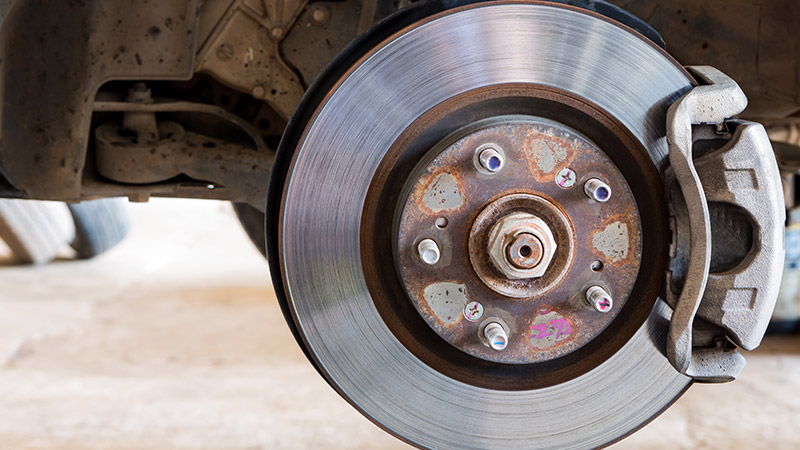
The root causes of a sticking brake caliper frequently stem from hydraulic and mechanical component failures. Common culprits include corrosion and debris accumulation, which impede the smooth operation of the caliper piston and guide pins.
A compromised brake caliper piston seal can invite moisture and contaminants into the caliper bore. Over time, this leads to rust and corrosion on the piston, hindering its ability to retract effectively—especially in vehicles exposed to road salt or high humidity conditions.
Don’t underestimate the impact of sticking caliper guide pins. These crucial pins enable the caliper to slide smoothly. When they become corroded or when protective boots tear, they may seize, preventing the caliper from floating correctly and releasing the brake pads evenly. This restriction can exacerbate uneven brake pad wear.
Additionally, contaminated or degraded brake fluid can further complicate the situation by reducing the efficiency of the hydraulic system. Maintaining your brake fluid according to manufacturer recommendations—typically every 2-3 years or 30,000 miles—is essential. To learn more about brake fluid management, check out The Ultimate Guide to Diagnosing and Fixing Brake Fluid Leaks Safely.
In rare cases, damage to the brake hose can contribute to a sticking caliper issue. A collapsed or internally blocked brake hose can hinder the return flow of brake fluid, effectively trapping the caliper in a partially engaged position.
How Can a Sticking Brake Caliper Be Fixed?
The solution to a sticking brake caliper can range from a simple cleaning and lubrication to a complete component replacement, depending on the severity of the problem.
Cleaning and Lubrication: When minor corrosion or a lack of lubrication is the culprit, cleaning the guide pins and caliper bore, followed by applying high-temperature brake lubricant, can often resolve the issue. However, this method proves effective only if the piston and cylinder walls are not significantly damaged. Exercise caution to prevent unwanted brake fluid loss.
Caliper Piston Service: For cases of mild corrosion, you might consider carefully retracting the piston, cleaning it, and replacing the piston seal. However, avoid this approach if there are signs of substantial damage.
Caliper Replacement: If corrosion is widespread, seals are damaged, or pistons are stuck, replacing the entire brake caliper is the most dependable solution to guarantee that all internal components function correctly. It’s wise to replace both calipers on the same axle (either both front or both rear) to maintain balanced braking performance—an essential consideration as critical as knowing What to Do When Your ABS Brakes Fail While Driving.
Brake Hose Inspection and Replacement: If you suspect a brake hose is contributing to the sticking issue, replace it immediately. A damaged or collapsed hose can seriously impede brake fluid flow and necessitates urgent attention.
Comparative Analysis of Brake Caliper Issues
Understanding the various issues affecting brake calipers can streamline your diagnostic and repair processes. The table below summarizes common problems, their primary causes, and typical repair solutions:
| Issue | Primary Cause | Typical Resolution | Estimated Lifespan Impact (if unresolved) |
|---|---|---|---|
| Sticking Caliper Piston | Corrosion, damaged seal | Caliper replacement | 25-50% reduction in brake pad/rotor life |
| Seized Guide Pins | Corrosion, lack of lubrication, torn boots | Cleaning, lubrication, or caliper replacement | 15-30% reduction in brake pad/rotor life |
| Leaking Caliper Seal | Wear, damage, age | Caliper replacement | 10-20% reduction in brake fluid level, potential ABS issues |
| Collapsed Brake Hose | Age, internal delamination | Brake hose replacement | Sudden loss of braking on affected wheel, potential for complete brake failure |
Frequently Asked Questions (FAQ)
- Can I drive with a sticking brake caliper?
- Driving with a sticking brake caliper is highly discouraged. It compromises braking performance, leads to uneven wear, and can cause further damage, significantly diminishing the vehicle’s safety.
- How often should brake calipers be inspected?
- For optimal safety, brake calipers should be inspected as part of routine maintenance—typically every 12,000 miles or annually—to identify potential issues before they escalate.
- What is the cost to fix a sticking brake caliper?
- Repair costs can vary widely, ranging from $100-$200 for minor cleaning and lubrication to over $400-$800 for caliper replacement. Prices may be influenced by the vehicle type and required parts.