Understanding the distinct indicators of critically low brake fluid levels is crucial for avoiding catastrophic braking system failures. Recognizing these symptoms not only enhances your vehicle’s safety but also empowers you to act promptly and effectively on the road.
A warning sign that your brake fluid may be low is a noticeable, “spongy” brake pedal feel. If you have to press harder or experience excessive travel before your brakes engage, it’s time to investigate. The hydraulic system depends heavily on incompressible fluid to transmit braking force; diminished fluid means air can infiltrate the lines, making your brakes less effective.
What are the most common symptoms indicating low brake fluid?
Is a spongy brake pedal a definitive sign of low brake fluid?
While a spongy pedal is a significant symptom, it can also indicate air in the brake lines or worn components. However, when combined with other signs, it strongly suggests low fluid levels, necessitating immediate inspection as detailed in The Ultimate Guide to Diagnosing and Fixing Brake Fluid Leaks Safely.
What does a visual inspection of the brake fluid reservoir reveal?
The brake fluid reservoir, usually a translucent plastic tank located under the hood near the master cylinder, provides a clear view of the fluid level. If the level drops below the ‘MIN’ or ‘LOW’ line visible on the reservoir, this is a direct and unequivocal sign that your brake fluid is low.
Can a warning light on the dashboard indicate low brake fluid?
Yes, many modern vehicles feature a brake system warning light that activates when the brake fluid level is critically low or if there’s a malfunction in the braking system. This light serves as an urgent alert to a potentially hazardous situation.
How does a decrease in braking performance manifest with low brake fluid?
A marked reduction in stopping power is a serious symptom. If you find yourself needing to apply more force to the brake pedal or if your vehicle takes longer to stop, this directly correlates to the diminished hydraulic efficiency due to insufficient brake fluid.
What is the significance of brake fluid leaks under the vehicle?
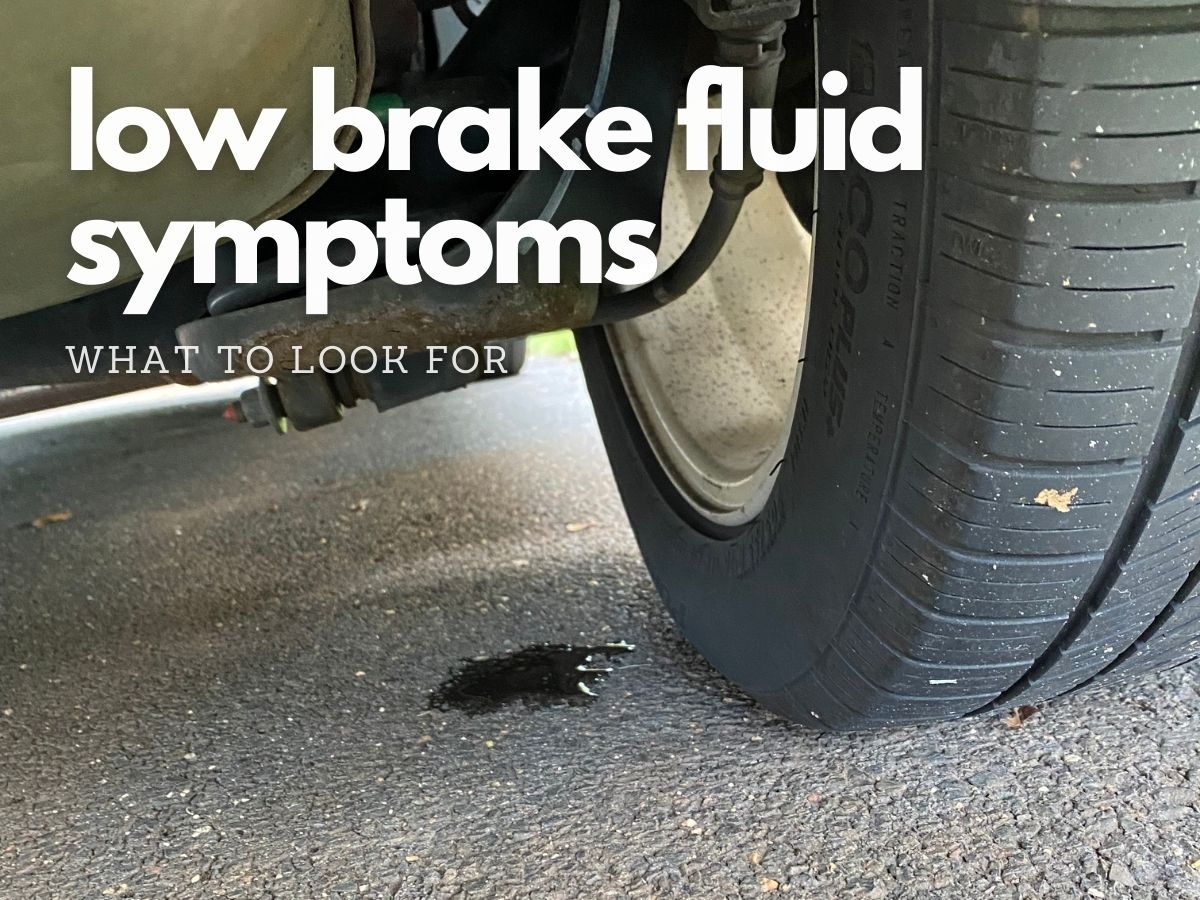
Puddles or spots of brake fluid, often amber or dark brown depending on the type and age, found beneath your vehicle—especially near the wheels or under the engine bay—are telltale signs of a leak. Addressing these leaks is critical, as they lead to low fluid levels and compromised braking.
Does a grinding or squealing noise during braking suggest low brake fluid?
While grinding or squealing noises more commonly indicate worn brake pads or rotors, significant brake fluid loss can increase friction and heat within the braking system. This can exacerbate such noises or even cause them to appear when essential components fail due to lack of proper hydraulic lubrication and pressure.
How does the brake warning light interact with other vehicle systems?
The brake warning light can be triggered by multiple system faults. For instance, although a failing transmission solenoid may activate a Check Engine Light, issues within the hydraulic braking system, including low fluid levels, will illuminate the dedicated brake warning indicator, signaling immediate driver attention for safety.
What are the different types of brake fluid and their specifications?
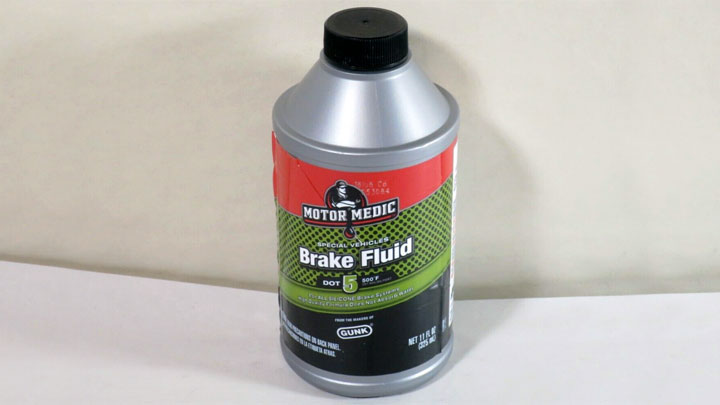
Brake fluid is categorized by its DOT (Department of Transportation) rating. Common types include DOT 3, DOT 4, and DOT 5.1, each possessing varying boiling points and viscosities critical for optimal performance under extreme conditions. For instance, DOT 3 has a minimum dry boiling point of 205°C (401°F) and a wet boiling point of 140°C (284°F). In contrast, DOT 4 boasts boiling points of 230°C (446°F) and 155°C (311°F), while DOT 5.1 equals the higher boiling points of DOT 4 but is silicone-based, rendering it incompatible with DOT 5 silicone fluid.
Can I mix different DOT-rated brake fluids?
Mixing DOT 3, DOT 4, and DOT 5.1 fluids is generally permissible since they are all glycol-ether based. However, this may slightly alter the overall boiling point. Never mix these with DOT 5 silicone-based fluid, as it can cause severe system contamination and damage.
What is the recommended service interval for brake fluid replacement?
Being hygroscopic, brake fluid absorbs moisture over time, lowering its boiling point and risking corrosion. Manufacturers commonly recommend a fluid flush and replacement every 2 to 3 years regardless of mileage, or after 30,000 to 45,000 miles, to ensure optimal braking performance.
How does brake fluid level relate to other vehicle fluid systems?
While unique, the maintenance of all vehicle fluids is interconnected for overall health. For example, in electric vehicles (EVs), battery health is paramount, showing an average annual degradation rate of 2.3% influenced by charging habits. Just as crucial is maintaining appropriate brake fluid levels to ensure the hydraulic system’s integrity, a different yet equally vital aspect of vehicle safety.
Comparative Analysis: Brake Fluid Types and Performance
| Brake Fluid Type | Minimum Dry Boiling Point (°C / °F) | Minimum Wet Boiling Point (°C / °F) | Viscosity (cSt @ -40°C) | Common Application |
|---|---|---|---|---|
| DOT 3 | 205 / 401 | 140 / 284 | 1500 max | General passenger vehicles |
| DOT 4 | 230 / 446 | 155 / 311 | 1800 max | Performance vehicles, ABS systems |
| DOT 5.1 | 260 / 500 | 180 / 356 | 1800 max | High-performance and modern vehicles |
FAQ: Common Questions About Low Brake Fluid
Q1: How quickly does brake fluid degrade?
Brake fluid absorbs moisture, which lowers its boiling point. It’s generally advised to replace it every 2 to 3 years.
Q2: Can I top off low brake fluid without addressing the leak?
No, topping off without repairing the leak is merely a temporary and unsafe measure. A leak signifies a compromised system requiring professional attention.
Q3: What is the risk if the brake fluid is contaminated?
Contamination reduces the boiling point and can lead to corrosion, resulting in component failure and decreased braking effectiveness.
Q4: Are there specific Diagnostic Trouble Codes (DTCs) for low brake fluid?
While a specific DTC for “low brake fluid” is rare, the brake system warning light serves as the primary indicator. Some systems may log codes related to brake pressure or ABS module issues if low fluid causes anomalies.