Mastering your car’s brake system is pivotal not only for precise vehicular control but also crucial for ensuring safety on the road. A well-maintained brake system delivers reliable and predictable stopping power, significantly reducing the risk of accidents. This comprehensive guide will delve into technical aspects, market considerations, and practical recommendations for maintenance, repair, and upgrades of brake systems.
What is the Fundamental Anatomy of a Modern Brake System?
A modern automotive brake system is an intricate network of components designed to convert kinetic energy into thermal energy through friction, effectively bringing the vehicle to a controlled halt. Unlike older single circuit systems, contemporary vehicles utilize dual circuit brake systems to enhance safety. If one circuit fails, the other can still provide essential braking capability [cite: EXISTING_ARTICLE_1].
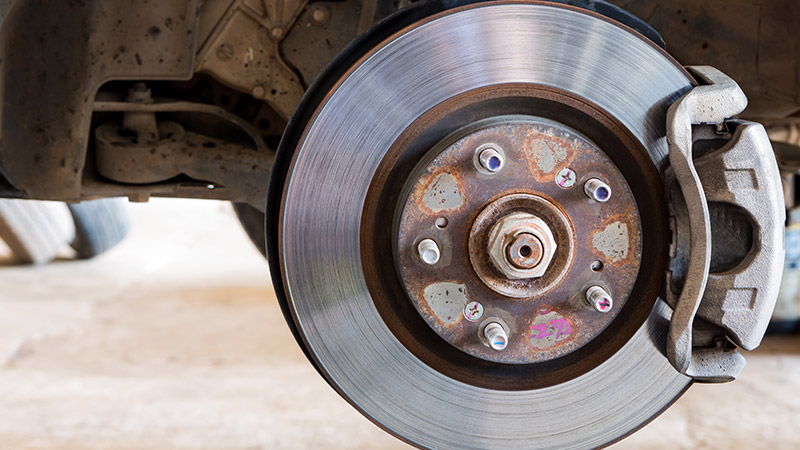
Key components include the master cylinder, responsible for translating the force exerted on the brake pedal into hydraulic pressure [cite: EXISTING_ARTICLE_3, 40]. This pressure travels through brake lines to either calipers (in disc systems) or wheel cylinders (in drum systems), where pads or shoes engage with discs or drums to create friction. Most modern vehicles integrate both disc and drum brakes and often feature systems like ABS (Anti-lock Braking System) and EBD (Electronic Brake Distribution), now mandatory in several markets, including Chile for new vehicles since October 2020.
How Often Should You Maintain the Brake System?
Preventive maintenance is crucial to prolonging the lifespan and efficacy of the brake system. It is recommended to conduct a general brake inspection every 10,000 to 15,000 kilometers or every six months, whichever comes first. This inspection should involve a detailed evaluation of pads, discs, and the condition of the brake fluid.
How Frequently Should Brake Fluid be Changed?
Brake fluid is vital for transmitting hydraulic pressure and is hygroscopic, which means it absorbs moisture over time. This absorption diminishes its boiling point, compromising braking efficiency. Most manufacturers advocate replacing brake fluid every two years or after approximately 40,000 kilometers. However, driving in severe conditions—such as heavy traffic, downhill slopes, or extreme temperatures—may necessitate annual replacements.
There are several types of brake fluid classified by the Department of Transportation (DOT), including DOT 3, DOT 4, DOT 5, and DOT 5.1. It is crucial to use the fluid specified by the manufacturer; mixing incompatible types (e.g., DOT 5 silicone-based with glycol-based fluids like DOT 3, 4, or 5.1) can damage the system. Vehicles equipped with advanced braking systems such as ABS or ESP typically require low-viscosity fluids like DOT 4 Class 6 or DOT 5.1.
What is the Replacement Interval for Brake Pads and Discs?
The lifespan of brake pads generally ranges between 30,000 and 70,000 kilometers, although it can extend from 20,000 to 80,000 kilometers, influenced by driving style, vehicle weight, and pad material. Front pads typically last between 20,000 and 60,000 kilometers, while rear pads may range from 80,000 to 120,000 kilometers. It is essential to visually inspect them during each brake service, especially if wear sensors are not available.
Brake discs should be inspected every 10,000 to 20,000 kilometers for signs of wear or warping. Typically, front brake discs require replacement due to wear around 60,000 kilometers. However, their durability can be affected by environmental factors and driving conditions.
What are the Detailed Procedures for Common Brake System Repairs?
Identifying and accurately repairing common brake system failures is essential for restoring the vehicle’s safe operational capabilities.
How to Diagnose and Correct a Spongy Brake Pedal?
A spongy or “soft” brake pedal indicates a decrease in pedal resistance and reduced braking effectiveness, often caused by air in the hydraulic system. The procedure for correcting this involves bleeding the system to purge accumulated air.
Potential causes may also include brake fluid leaks in hoses, calipers, or wheel cylinders, a low fluid level in the master cylinder, degraded brake fluid from moisture absorption, or a failure in the brake booster assisting pedal force. Excessive wear of pads or discs can contribute to this feeling as well.
How to Address Warped or Worn Brake Discs?
Warped brake discs, caused by overheating or uneven wear, typically manifest as vibrations in the brake pedal during application, especially at high speeds, often accompanied by metallic noises, uneven braking, or an increase in stopping distance.
Resolving warped discs requires precise diagnosis and measurement of the deformation. If warping is minimal and the disc thickness remains within specifications, they can be machined at a specialized shop. However, severe warping or wear that reaches the minimum safety thickness mandates replacing the disc along with the pads. Incorrect wheel torque or stuck brake calipers may cause these deformations.
What Upgrade Options Are Available to Enhance Braking Performance?
Upgrades to the brake system can significantly bolster a vehicle’s safety and performance capacity, particularly for performance driving applications or vehicles carrying heavy loads.
What Are the Options for High-Performance Brake Pads?
High-performance brake pads offer greater fade resistance, improved heat dissipation, and enhanced durability. Common materials include:
- Organic Pads (NAO): Comprised of natural fibers, resins, and fillers, provide smooth and quiet braking but wear out faster and can exhibit reduced performance at high temperatures.
- Semi-Metallic Pads: These consist of metal fibers, fillers, and binders. They deliver excellent stopping power and durability, making them suitable for sport driving and frequent braking, albeit with more noise and dust. Brands like Brembo and Bosch offer high-performance lines.
- Ceramic Pads: Made from ceramic materials and copper fibers, these provide consistent braking, low noise, and minimal dust generation. Less abrasive to discs and suitable for daily use, their upfront cost is higher.
What Upgrades Are Available for Rotors and Brake Calipers?
Improving rotors (brake discs) is essential for effective heat dissipation. Grooved or drilled rotors are designed for more efficient heat and gas expulsion, reducing wear and improving performance. Companies like StopTech provide big brake kits that include performance rotors and calipers.
Performance brake calipers are usually multi-piston designs that distribute braking force more evenly across the pad and rotor, increasing braking power and fade resistance. Optimal performance requires integration with the braking systems, suspension, and tires. Stainless steel brake lines enhance pedal feel by minimizing expansion under pressure.
How Do Old Brake Systems Differ from Modern Ones?
The evolution of brake systems highlights significant advancements in safety and efficiency. Older brake systems relied on single circuit designs, contrasting sharply with the dual circuit systems required in modern vehicles to ensure safety redundancy [cite: EXISTING_ARTICLE_1].
While modern systems efficiently convert kinetic energy into thermal energy through disc or drum brakes with optimized hydraulic force transmission, older systems relied on less sophisticated drum brake designs that limited hydraulic force transmission capabilities [cite: EXISTING_ARTICLE_1]. Disc brakes, widely adopted in passenger vehicles, offer superior performance and better heat dissipation.
Comparative Table: DOT Brake Fluids and Their Key Characteristics
Choosing the correct brake fluid is critical for performance and safety. Below are specifications according to DOT standards:
| Characteristic | DOT 3 | DOT 4 | DOT 5 | DOT 5.1 |
|---|---|---|---|---|
| Chemical Base | Glycol Ether | Glycol Ether + Borate Esters | Silicone | Glycol Ether (similar to DOT 4, with advanced additives) |
| Minimum Dry Boiling Point | 205 °C (401 °F) | 230 °C (446 °F) | 260 °C (500 °F) | 260 °C (500 °F) – 270 °C (518 °F) |
| Minimum Wet Boiling Point | 140 °C (284 °F) | 155 °C (311 °F) | 180 °C (356 °F) (more stable) | 180 °C (356 °F) – 185 °C (365 °F) |
| Mixing Compatibility | Compatible with DOT 4 and DOT 5.1 | Compatible with DOT 3 and DOT 5.1 | INCOMPATIBLE with DOT 3, DOT 4, DOT 5.1 | Compatible with DOT 3 and DOT 4 |
| Typical Usage | Conventional Vehicles | Modern Vehicles, with ABS/ESP | Vehicles in storage, military, classic (not recommended for ABS) | High-performance vehicles, light competition, advanced ABS/ESP |
| Recommended Change Interval | 1-2 years or 20,000-40,000 km | 2 years or 40,000 km (annual in severe conditions) | Less hygroscopic, but requires inspection; do not mix. | 3 years or 50,000 km (normal conditions) |
Frequently Asked Questions (FAQ)
What Does the Brake Warning Light on the Dashboard Mean?
The brake warning light may indicate low brake fluid levels, worn brake pads, or an issue with the ABS system. Immediate professional inspection is required.
Why Does My Car Vibrate While Braking?
Vibrations in the brake pedal often indicate warped brake discs (deformed by overheating) or uneven pad wear. This requires examination and potential replacement of discs and pads.
Can Different Types of Brake Fluid be Mixed?
Never mix DOT 5 (silicone) with DOT 3, DOT 4, or DOT 5.1 (glycol). DOT 3, 4, and 5.1 are compatible with each other; always adhere to the manufacturer’s specifications.
What are ABS Brakes and Why are They Important?
The Anti-lock Braking System (ABS) prevents wheel lock-up during hard braking, allowing the driver to maintain directional control. It is a standard active safety component and is mandatory in many countries for new vehicles.
What Does a High-Pitched Noise When Braking Indicate?
A high-pitched noise when braking usually indicates worn brake pads, where the wear indicator is rubbing against the disc. It can also be caused by accumulated metallic dust on the pads.
How to Identify and Fix a Spongy Brake Pedal?
A spongy pedal indicates air in the hydraulic system, fluid leaks, degraded brake fluid, or an issue with the brake booster. Correction entails bleeding the system, fixing leaks, and verifying the brake fluid levels.
When Should Brake Calipers be Replaced?
Brake calipers should be replaced if they exhibit fluid leaks, stuck pistons causing uneven braking, or structural damage. Accurate diagnosis is critical to determine whether a caliper needs repair or replacement.
What Types of Brake Fluids Exist and What are Their Specifications?
Brake fluids are classified by DOT: DOT 3 (glycol ester, dry boiling point 205°C), DOT 4 (glycol ester/borate ester, dry 230°C), DOT 5 (silicone, dry 260°C, incompatible with others) and DOT 5.1 (advanced glycol ester, dry 260°C). Each has specific dry and wet boiling points and defined mixing compatibilities.
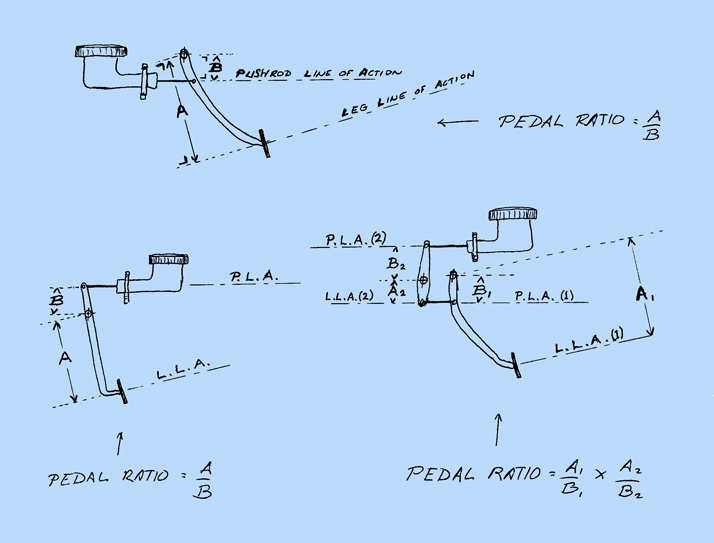
What is the Importance of Brake Pedal Ratio?
The brake pedal ratio, which defines the mechanical advantage of the pedal, directly impacts the force required to activate the brakes and the pedal feel. Optimizing this ratio, as detailed in Optimizing Brake Pedal Ratio: A Guide for Performance and Custom Builds, is essential for performance and custom applications.
How to Diagnose and Repair Brake Fluid Leaks?
Brake fluid leaks, which may present as a spongy pedal or visible fluid pools, require a thorough inspection of components such as hoses, lines, master cylinders, calipers, and wheel cylinders. Safe repairs and fluid replenishment are essential, as discussed in The Ultimate Guide to Diagnosing and Fixing Brake Fluid Leaks Safely.
What are the Symptoms and Solutions for a Sticking Brake Caliper?
A sticking brake caliper causes the vehicle to pull to one side while braking, as the affected caliper does not release completely. Symptoms include uneven pad wear, wheel overheating, and unusual noises. Diagnosis and repair are elaborated on in Diagnosing a Sticking Brake Caliper: Symptoms, Causes, and Fixes.