This comprehensive guide on car repair and troubleshooting covers essential diagnostics and repairs required to maintain the reliability and optimal performance of your vehicle. Whether you’re a novice driver or a seasoned car enthusiast, understanding the intricacies of vehicle maintenance can save both time and money while ensuring safety on the roads.
Importance of Vehicle Maintenance
Regular vehicle maintenance is crucial for enhancing safety, improving performance, and prolonging the lifespan of your automobile. Neglecting maintenance can lead to significant mechanical failures, costly repairs, and even dangerous driving conditions. This guide aims to equip you with the knowledge and tools necessary to troubleshoot common car issues, conduct basic repairs, and implement preventive measures.
Common Automotive Issues
Engine Problems
Common problems include strange noises, power loss, and overheating.
Transmission System Issues
Signs include harsh shifting, grinding noises, and fluid leaks.
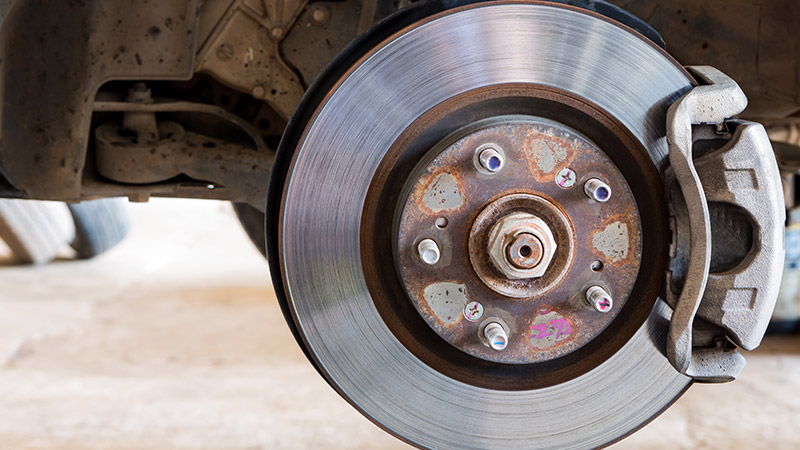
Brake Failures
Common symptoms are grinding noises, a soft brake pedal, or a delayed response.
Electrical System Problems
Indicators include flickering lights, starting issues, and battery failures.
Suspension and Steering Concerns
Vibrations, misalignment, and unusual noises often signal problems in this area.
Essential Tools for Car Repair
Basic Tools
- Wrenches
- Screwdrivers
- Jack
- Tire pressure gauges
Advanced Tools
- OBD-II scanners
- Multimeters
- Specific tools for particular repairs, like torque wrenches.
General Troubleshooting Steps
Identifying the Problem
Begin by observing and diagnosing common failures. Look for unusual sounds, warning lights on the dashboard, or changes in vehicle performance.
Visual Inspection
Check under the hood, focusing on fluid levels, and examine belts and hoses for wear.
Using Diagnostic Tools
Utilize tools like OBD-II scanners to read error codes and identify faults efficiently.
Preventive Maintenance
Oil Change
It’s recommended to change engine oil every 5,000-7,500 miles, depending on oil type and driving conditions. Use high-quality oil specific to your model.
Brake Check
Inspect brake pads and rotors every 15,000 miles or before significant trips.
Tire Maintenance
Maintain proper tire pressure (30-35 PSI for passenger vehicles) and check tread depth. Rotation should be done every 5,000-7,500 miles.
Electrical System Care
Regularly test your battery and alternator as outlined in this article.
Common Repairs and How to Perform Them
Changing Spark Plugs
Follow the manufacturer’s guidelines, usually after 30,000 to 100,000 miles, replacing one plug at a time to prevent cross-threading.
Brake Replacement
Understand the components involved in brake systems and follow the recommended guides to ensure safety.
Air Filter Replacement
Replace every 12,000 to 15,000 miles for optimal engine breathing.
Radiator Replacement
Watch for leaks and overheating as signs that this part is failing. Be prepared to tackle this repair within a couple of hours.
Repair Costs
Estimated Repair Costs
Typical costs for common repairs can range widely: Brake pad replacement averages about $150-$300, while more complex jobs like transmission repairs can exceed $1,000. Local labor rates vary, averaging between $75-$150 per hour.
Tool Prices
Hand tools are relatively inexpensive, with an OBD-II scanner costing between $20 and $150, depending on brand and features.
Online Resources and Tools
Forums and Communities
Engage with peers on platforms like Reddit or dedicated car repair forums for advice.
Helpful Applications
Consider using apps for tracking maintenance and diagnosing vehicle issues.
Online Parts Stores
Find competitive prices on parts through websites like RockAuto or AutoZone.
Money-Saving Repair Tips
DIY vs. Mechanics
Weigh the pros and cons of performing repairs yourself versus hiring a professional to save costs while ensuring safety.
Finding Discounts
Search for discount codes on parts and services online or during holiday sales.
Conclusion
Regular maintenance is not only vital for the longevity and reliability of your vehicle but also for ensuring your safety on the road. This guide serves as a practical resource for both budding mechanics and experienced car owners alike, encouraging proactive approaches to vehicle care.
Technical Data
Statistics indicate that about 70% of motorists perform some form of DIY maintenance on their vehicles. Average repair costs can vary by region, with places like California seeing higher prices due to labor market differences. Notably, tools like an OBD-II scanner cost significantly less than professional diagnostic services, making them a worthy investment.
Market Information
The trend of DIY car maintenance has soared in recent years, partly fueled by online tutorials and the increasing complexity of vehicular technology. Modern vehicles, particularly electric models, introduce new challenges and require specialized knowledge for effective maintenance.
Frequently Asked Questions (FAQ)
How often should I check my engine oil level?
It’s advisable to check your engine oil level at least once a month and before long trips. Ensure the vehicle is level and the engine is cool for the most accurate reading.
Is it normal for my car’s idle to fluctuate slightly?
Idle fluctuations can occur between 600 and 900 RPM, influenced by model, engine temperature, and connected electrical systems like air conditioning.
What should I do if my car emits unusual colored smoke?
Black smoke may indicate a rich fuel mixture or clogged air filter, while blue smoke suggests oil burning. A professional diagnosis is crucial in these instances.
Can I mix different types of brake fluid?
Only compatible fluids, such as DOT 3 and DOT 4, should be mixed. Avoid mixing silicone-based (DOT 5) or mineral-based (LHM) fluids with others.
When should a fuse be replaced in my car?
A fuse should be replaced immediately if the internal filament is broken or if a multimeter shows a lack of continuity, always using a fuse with the same amperage rating to protect the circuit.