Understanding whether your vehicle relies on a timing belt or a timing chain is not just an exercise in automotive knowledge; it’s essential for budgeting maintenance costs and anticipating potential mechanical issues. This distinction can mean the difference between smooth rides and expensive repairs down the line.
While engines may vary, internal combustion engines consistently depend on synchronicity between valves and pistons, regulated by either a timing belt or chain. These components ensure that every part of your engine operates in harmony, just as a conductor leads an orchestra. Without them, chaos ensues.
What is the Difference Between a Timing Belt and a Timing Chain?
How Does a Timing Belt Function?
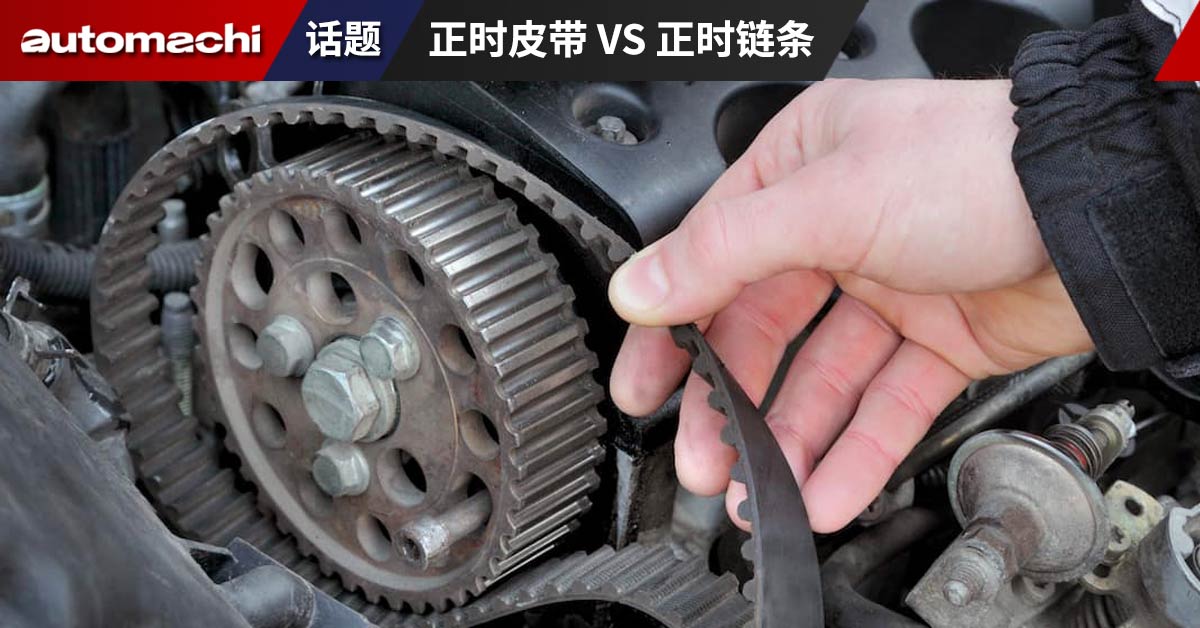
A timing belt is crafted from reinforced rubber, featuring teeth that engage with both the crankshaft and camshaft(s). This precise engagement is vital for coordinating valve movements and piston positions, which ultimately supports efficient combustion and optimal engine functioning.
How Does a Timing Chain Function?
In contrast, a timing chain looks similar to a bicycle chain and is made from durable metal. It connects the crankshaft to the camshaft(s), offering superior longevity compared to a rubber belt. Often, a timing chain can last for the lifetime of your engine, provided your vehicle operates under normal conditions.
What are the Maintenance Costs for Timing Belts vs. Timing Chains?
What is the Average Cost to Replace a Timing Belt?
Replacing a timing belt typically costs between $500 and $1,000, inclusive of both parts and labor. However, this figure can rise significantly if additional components—like the water pump, tensioners, and idler pulleys—are due for replacement, as these are frequently inspected and replaced during the same service.
What are the Maintenance Costs Associated with Timing Chains?
Timing chains do not generally require routine replacement, which many manufacturers label as a “lifetime” component. Still, if wear or failure occurs, replacement costs can range from $1,000 to over $2,500, often necessitating complex disassembly of the engine’s front cover.
What are the Warning Signs of Timing Belt Failure?
What Does a Failing Timing Belt Sound Like?
A failing timing belt may generate a high-pitched squealing sound, particularly noticeable during startup or acceleration. However, this noise is less common compared to visible degradation, such as cracks or missing teeth, making visual inspections crucial.
What are the Mechanical Signs of Timing Belt Failure?
Indicators of belt failure include visible fraying, cracks, or missing teeth. If the belt snaps or skips teeth, your engine may stall immediately and suffer severe internal damage—similar to repercussions caused by a malfunctioning thermostat leading to engine overheating and failure.
What are the Warning Signs of Timing Chain Failure?
What Does a Failing Timing Chain Sound Like?
A rattling noise while idling or at startup often serves as a key indicator of a failing timing chain. This sound typically suggests that the chain is slack or that the guides and tensioners are wearing out.
What are the Performance Indicators of Timing Chain Issues?
Alongside rattling, a stretched timing chain can cause rough idling, misfires, and a noticeable loss of engine power. Ignoring these symptoms can sometimes result in catastrophic engine damage, particularly if the chain jumps significantly.
Timing Belt vs. Timing Chain: A Comparative Overview
| Feature | Timing Belt | Timing Chain |
|---|---|---|
| Material | Reinforced Rubber | Metal Alloy |
| Typical Lifespan | 60,000 – 100,000 miles | 150,000+ miles (often lifetime) |
| Replacement Cost (Est.) | $500 – $1,000 | $1,000 – $2,500+ (if needed) |
| Failure Consequence | Sudden engine stall; potential catastrophic damage | Rattling noise, performance loss; potential damage if ignored |
| Primary Failure Sound | Squealing (less common) | Rattling (common) |
Frequently Asked Questions
How often should a timing belt be replaced?
Timing belts are generally recommended for replacement between 60,000 and 100,000 miles, or every 5-7 years, depending on the vehicle manufacturer’s specifications.
Can a car run with a broken timing chain?
Absolutely not; a car will cease to function with a broken timing chain, leading to immediate engine shutdown. Attempting to start the vehicle again can worsen the damage significantly.
Is a timing chain maintenance-free?
Even though timing chains are built for endurance, they are not entirely maintenance-free. Over time, wear can occur, and the tensioners and guides often require periodic inspection or replacement.
For a deeper understanding of vehicle maintenance, consider reading The Ultimate Guide to Car Maintenance. It’s also wise to familiarize yourself with powertrain components like CVTs to safeguard your vehicle’s overall health, as detailed in 5 Common CVT Transmission Problems You Should Know About. Remember to keep an eye on your cooling system; it’s crucial to avoid issues like those outlined in Overheating? 5 Signs Your Car Thermostat is Failing and Needs Replacement.