The best 3-row electric SUVs for large families in 2025-2026 combine substantial passenger capacity with advanced electric powertrains, offering impressive range, robust performance, and unparalleled utility previously unavailable in the segment. These electric sport utility vehicles are revolutionizing family transportation. With an increasing emphasis on sustainability and lower carbon footprints, families are seeking greener alternatives for their daily commutes and road trips.
Navigating the rapidly expanding electric vehicle (EV) market for family-sized utility requires a focus on specific attributes. While smaller electric SUVs cater to urban maneuverability, larger families demand more extensive space and capability. This definitive guide focuses on Battery-electric Vehicles (BEVs) designed to accommodate up to seven occupants without compromising on cargo space or towing capability. The initial purchase prices for these advanced BEVs typically range from approximately $55,000 to over $100,000, depending on the specific make, model, and battery configuration, often exceeding their gasoline-powered counterparts due to enhanced technology and material costs.
What are the Leading 3-Row Electric SUVs for 2025-2026?
The landscape of 3-row electric SUVs is dynamically expanding, with manufacturers like Rivian, Tesla, Kia, and Volvo introducing or significantly updating models for the 2025 and 2026 model years. These vehicles are meticulously engineered to provide the generous space families require, often featuring cutting-edge technology and impressive range figures. Identifying the “best” involves a deep dive into specifications crucial for family use and long-term ownership.
Which 3-Row Electric SUVs Offer the Most Electric Range for 2025-2026?
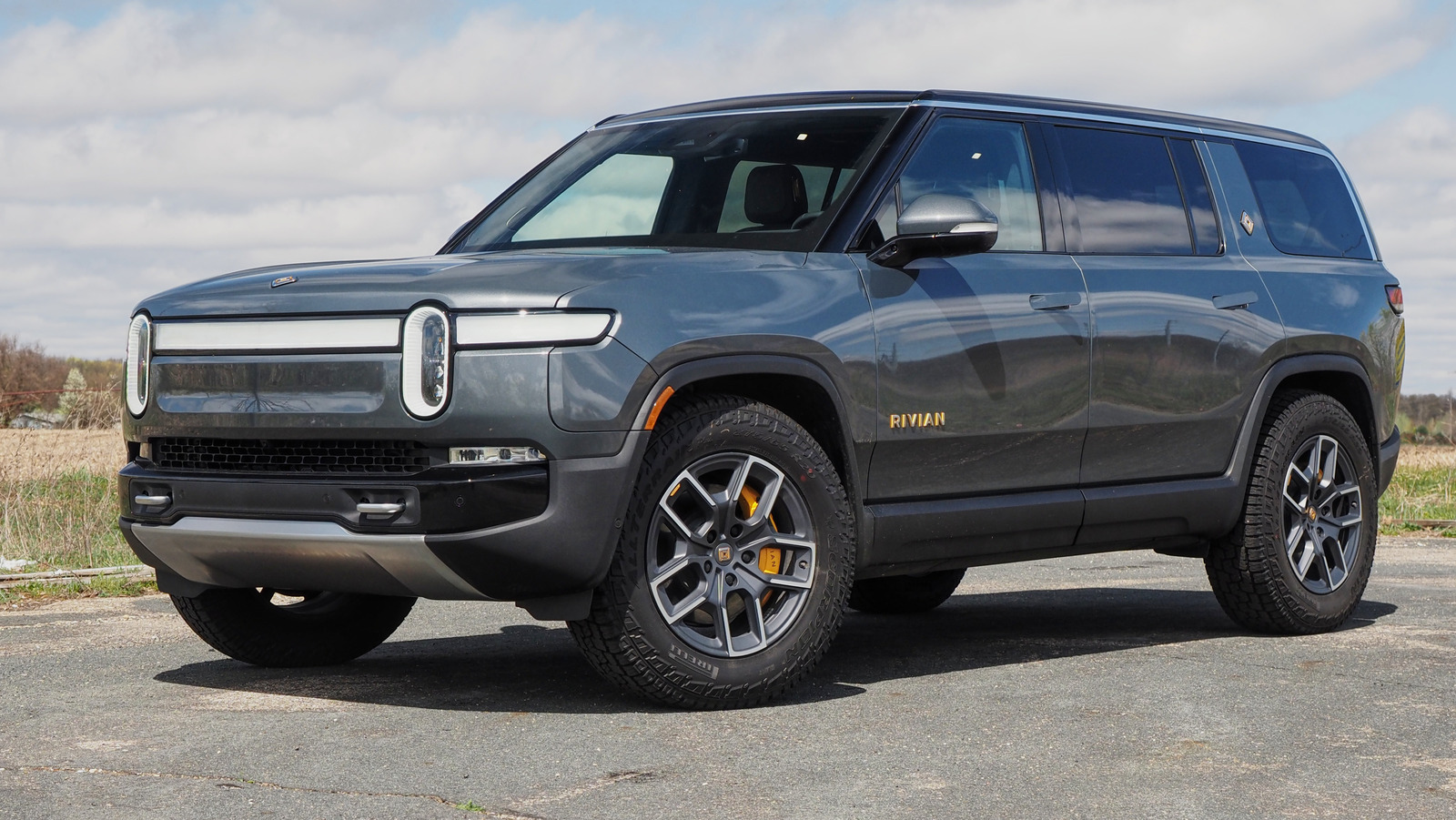
For families undertaking longer journeys, maximum electric range is paramount to alleviate range anxiety. The 2025 Rivian R1S, particularly with its Dual-Motor Max Pack configuration, is projected to deliver an EPA-estimated range of up to 410 miles. The upcoming 2025 Lucid Gravity Grand Touring is estimated to offer an exceptional EPA range of up to 450 miles, setting a new benchmark for the segment. Similarly, the 2025 Tesla Model X Long Range is anticipated to provide an EPA-estimated range of 329 miles on a full charge, with the previous model year achieving 335 miles, making it a strong contender for extended travel. The 2025 Volvo EX90 Twin Motor Performance is rated for an EPA range of up to 308 miles with its 111-kWh battery pack. The 2025 Cadillac Escalade IQ is also a formidable entrant, with General Motors claiming an estimated range of 460 miles on a single charge from its 205.0-kWh battery pack.
What are the Precise Cargo and Towing Capacities of the Latest 3-Row Electric SUVs?
Beyond passenger comfort, practical utility such as cargo volume and towing capacity is critical for family use. For the 2025 Rivian R1S, cargo volume behind the third row is approximately 12.6 cubic feet, expanding significantly to 46.7 cubic feet with the third row folded and an impressive 88.2 cubic feet with both rear rows stowed. Its towing capacity is rated at a robust 7,700 pounds across all drive systems and battery packs, making it suitable for substantial trailers and recreational gear. The 2025 Tesla Model X offers approximately 15.7 cubic feet of cargo space behind the third row, 37.7 cubic feet behind the second row, and a maximum of 97 cubic feet with all seats folded, alongside a 5,000-pound towing capacity.
The 2025 Kia EV9 provides 20.2 cubic feet of cargo space behind the third row, expanding to 46.7 cubic feet with the third row down and a maximum of 81.7 cubic feet with both rear rows folded, with a towing capacity of up to 5,000 pounds when properly equipped. The 2025 Volvo EX90 (7-seater) offers 13.6 cubic feet behind the third row, 37.3 cubic feet behind the second row, and a maximum of 85.3 cubic feet of cargo space, coupled with a towing capacity of 4,850 pounds. The highly anticipated 2025 Lucid Gravity is designed with up to 21 cubic feet of cargo space behind the third row, 48 cubic feet behind the second row, and a minivan-like 120 cubic feet with all rear seats folded, capable of towing up to 6,000 pounds. The 2025 Cadillac Escalade IQ boasts a maximum towing capacity of up to 8,000 pounds, aligning closely with its gasoline-powered counterparts. Specific cargo volumes for the Escalade IQ behind the third row are expected to be substantial given its full-size SUV dimensions.
How Do 3-Row Electric SUV Battery Capacities and DC Fast Charging Times Compare?
Understanding battery size (measured in kilowatt-hours, kWh) and charging speed is essential for efficient long-distance travel and daily use. The 2025 Kia EV9 offers battery options typically ranging from 76 kWh to 99.8 kWh, with the larger battery providing a usable capacity of 96 kWh. When connected to a 350 kW DC fast charger, the EV9 can replenish its battery from 10% to 80% in approximately 20-25 minutes, making it suitable for quick pit stops during travels. The 2025 Rivian R1S offers a Standard pack (92.5 kWh), a Large pack (109.4 kWh), and a Max pack (141.5 kWh), capable of charging from 10% to 80% in 30-41 minutes at DC fast charging rates of 200-220 kW.
The 2025 Tesla Model X features a 100 kWh battery pack and supports Supercharging, allowing for significant range additions in approximately 30 minutes. The 2025 Volvo EX90 is equipped with a 111-kWh battery pack (107 kWh usable) and can fast-charge from 10% to 80% in as little as 30 minutes using DC fast charging stations. The 2025 Lucid Gravity Grand Touring comes with a 123-kWh battery pack and boasts exceptional charging speeds, adding 200 miles of range in less than 11 minutes at 400 kW chargers. The 2025 Cadillac Escalade IQ utilizes a massive 205.0-kWh battery pack and its 800-volt architecture supports DC fast charging rates that can deliver approximately 100 miles of range in just 10 minutes.
Comparative Analysis: Premier 3-Row Electric Family SUVs (2025-2026)
Choosing the right 3-row electric SUV involves balancing numerous factors critical for family life, including seating capacity, range, utility, and charging infrastructure compatibility. Below is a comparative table of key specifications for leading models expected in the 2025-2026 timeframe.
| Model (2025 MY) | Starting MSRP (Est.) | Max EPA Est. Electric Range (Miles) | Cargo Volume (Behind 3rd Row, ft³) | Towing Capacity (lbs) | Battery Capacity (Usable kWh) | Seating Capacity (Standard) |
|---|---|---|---|---|---|---|
| Kia EV9 | $55,000 | 304 (Light Wind RWD) | 20.2 | 5,000 | 76 – 99.8 (96 usable) | 7 |
| Rivian R1S | $76,990 | 410 (Dual-Motor Max Pack) | 12.6 | 7,700 | 92.5 – 141.5 | 7 |
| Tesla Model X | $86,630 | 329 (Long Range) | 15.7 | 5,000 | 100 | 6 or 7 |
| Volvo EX90 | $78,090 | 308 (Twin Motor Performance) | 13.6 (7-seat) | 4,850 | 111 (107 usable) | 7 |
| Lucid Gravity | $81,550 (Est.) | 450 (Grand Touring) | 21 (behind 3rd row) | 6,000 | 123 | 5, 6, or 7 |
| Cadillac Escalade IQ | $130,000+ (Est.) | 460 (Est.) | N/A (Expected substantial) | 8,000 | 205.0 | 7 |
Note: Specifications are estimates and subject to change for production models. MSRP figures are approximate for base trims and do not include destination fees. Cargo volumes may vary slightly by specific configuration.
What are the Top-Ranked 3-Row Electric SUVs for 2025-2026?
While definitive, universal rankings for 2025-2026 models are still evolving as new vehicles are released and thoroughly tested, several models consistently emerge as top contenders based on projected specifications and early reviews. The Rivian R1S is highly regarded for its blend of off-road capability, impressive range (up to 410 miles), and strong towing capacity (7,700 lbs). The Lucid Gravity is quickly establishing itself as a leader in luxury and long-distance travel, projected to offer up to 450 miles of range and a spacious, versatile interior. The Kia EV9 is lauded for its practical family-oriented design, competitive starting price (around $55,000), and respectable range. The Volvo EX90 emphasizes safety, sustainable materials, and a balanced luxury experience with an EPA-estimated range of 308 miles. For sheer size and premium presence, the Cadillac Escalade IQ stands out with a claimed 460 miles of range and 8,000 lbs towing capacity.
Is a 3-Row Electric SUV the Optimal Choice for My Family’s Specific Needs?
The decision to invest in a 3-row electric SUV hinges on your family’s specific size requirements, typical usage patterns, and commitment to sustainable transportation. If your family regularly requires seating for six to seven passengers, a dedicated 3-row electric SUV presents a compelling and increasingly practical solution for reducing both emissions and long-term fuel costs. Additionally, these vehicles often boast innovative features that enhance convenience and connectivity, catering specifically to busy family lifestyles.
How do 3-Row Electric SUVs Directly Compare to their Gasoline Equivalents in 2025?
The primary differentiator between 3-row electric SUVs and their gasoline counterparts remains the initial purchase price; electric models typically carry a higher Manufacturer’s Suggested Retail Price (MSRP) due to advanced battery technology and manufacturing costs. For example, a 2025 Kia EV9 starts around $55,000, while a comparable gasoline-powered three-row SUV might begin in the low $40,000s. However, over the vehicle’s lifetime, the total cost of ownership (TCO) can be lower for BEVs, considering significantly reduced fuel expenses (electricity vs. gasoline), lower scheduled maintenance needs, and potential tax incentives. For families prioritizing efficiency, a quieter ride, and a reduced carbon footprint, the long-term economic and environmental benefits often outweigh the higher upfront investment by a notable margin.
What are the Essential Considerations for Family Adventures with Electric SUVs?
For family adventures and extended road trips, several key factors of an electric SUV must be rigorously considered. Foremost among these are the vehicle’s realistic electric range, the robust availability of DC fast-charging infrastructure along planned routes, and the versatile practicality of the interior space for passengers and gear. Models like the Rivian R1S, with its 7,700-pound towing capacity and up to 410 miles of range, are specifically designed for extensive outdoor utility. The ability to comfortably haul camping equipment, sports gear, or recreational trailers, indicated by generous cargo volume (e.g., Lucid Gravity’s 120 cubic feet maximum) and substantial towing capacity, is crucial. For families exploring new territories, ensuring reliable access to high-speed charging stations is as critical as selecting a model with substantial electric range to minimize travel delays.
Frequently Asked Questions About 3-Row Electric SUVs
- What is the average EPA-estimated electric range for a 3-row electric SUV in 2025-2026?
- The average EPA-estimated electric range for leading 2025-2026 3-row electric SUVs is projected to be between 300 to 450 miles on a full charge, depending on the specific model, battery configuration, and drivetrain.
- Can all 3-row electric SUVs tow a trailer, and what are typical capacities?
- Yes, many 2025-2026 3-row electric SUVs offer substantial towing capacities, typically ranging from 4,850 lbs (Volvo EX90) to 8,000 lbs (Cadillac Escalade IQ, Rivian R1S), making them suitable for towing various trailers and recreational equipment.
- What is the typical starting price range for these vehicles in 2025-2026?
- The starting MSRP for 2025-2026 3-row electric SUVs generally begins around $55,000 (Kia EV9) and can exceed $100,000 for premium configurations like the Tesla Model X Plaid or Cadillac Escalade IQ.
- What is the typical DC fast charging time for a 3-row electric SUV?
- Most 2025-2026 3-row electric SUVs can achieve a 10% to 80% charge in approximately 20-40 minutes at compatible DC fast charging stations, with some advanced models like the Lucid Gravity adding 200 miles of range in under 11 minutes.