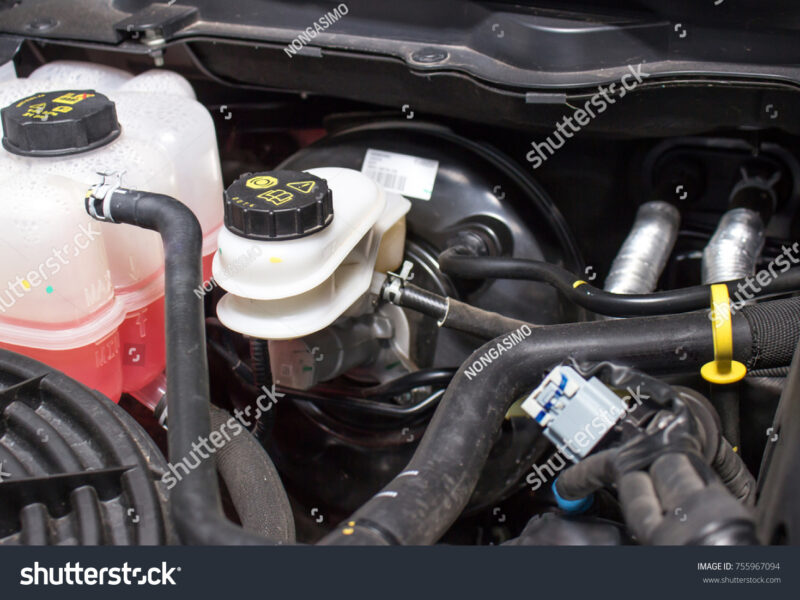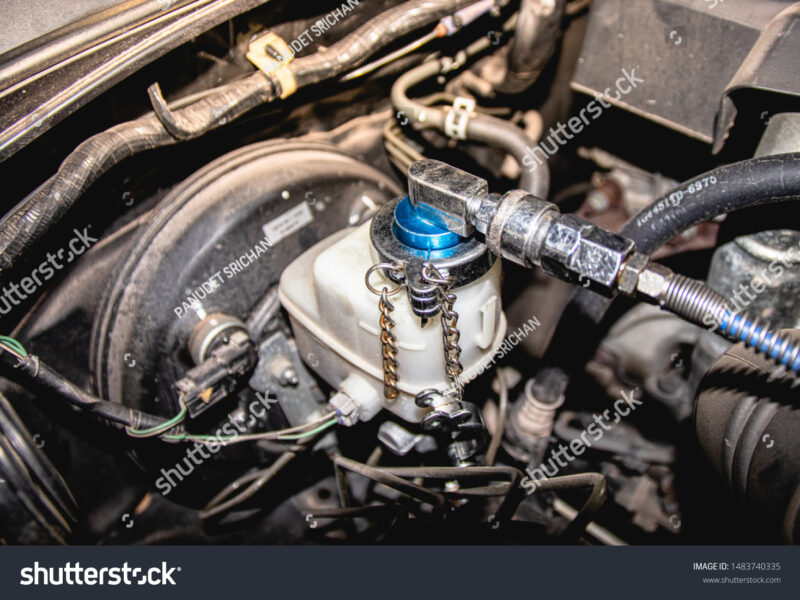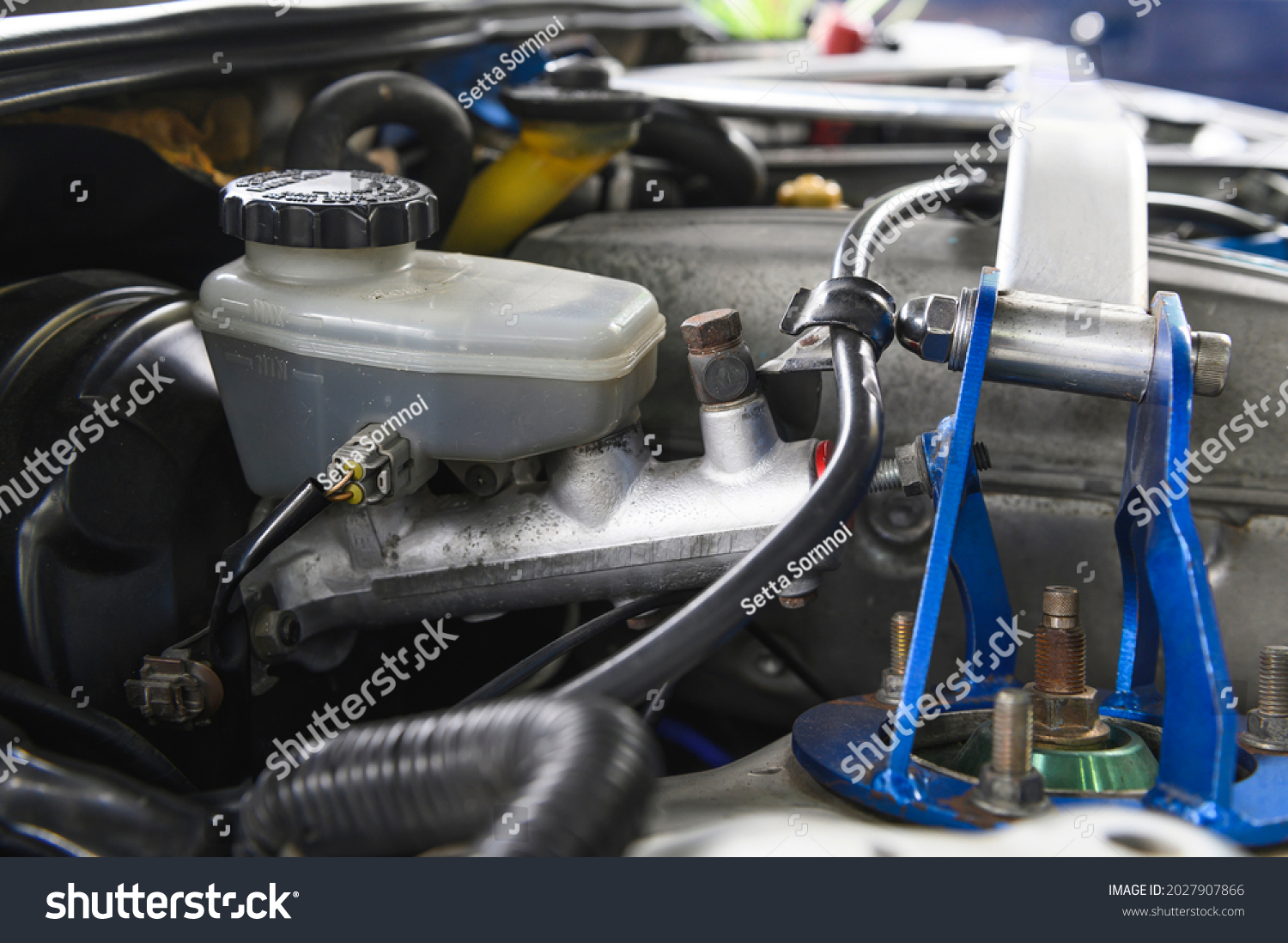
Understanding the meaning behind your brake fluid’s color is paramount for vehicle safety and performance. The color of brake fluid serves as a critical indicator of its condition and the urgency for a hydraulic system flush. Brake fluid, a hydraulic fluid integral to the braking system, depends heavily on its physical properties, which can be visually assessed. This article will delve into the implications of brake fluid color, exploring the specific significance of each color, the chemical dynamics, recommended maintenance practices, and the consequences of neglecting these indicators.
New brake fluid typically has a clear to light amber hue, symbolizing its optimal condition for hydraulic pressure transfer. During inspection, the fluid’s color can yield crucial information regarding its efficacy. As brake fluid ages, it begins to absorb moisture—a hygroscopic quality inherent to most glycol-based fluids—resulting in a darkening that directly indicates diminished performance and potential system failure. The implications of these color changes are paramount for maintaining a fully operational braking system, emphasizing the necessity of regular checks.
What Do Different Brake Fluid Colors Indicate?
The visual appearance of your brake fluid provides an immediate, albeit preliminary, assessment of its health. Fresh brake fluid, poured from a sealed container, will invariably appear clear to light amber, indicating its pure and uncompromised state. This clear or light amber hue signals that the fluid’s viscosity and boiling point are optimal, presenting a low risk of moisture contamination. This clarity is crucial to minimizing corrosion-related issues and safeguarding stopping power.
A discernible shift from this pristine clear or light amber color to shades of brown or even black is a pivotal warning sign. This color transformation primarily stems from the fluid’s hygroscopic nature, meaning it readily absorbs moisture from the atmosphere over time. The critical moisture content threshold for glycol-based fluids is typically around 3%. Once exceeded, the boiling point of the fluid decreases dramatically, directly affecting braking efficiency. Increased moisture levels can lead to a phenomenon known as “brake fade,” especially during heavy braking situations, where the absorbed water vaporizes, resulting in a loss of hydraulic pressure and diminished braking capacity.
Once the brake fluid exhibits darker tones, it generally signifies that its moisture content has risen to concerning levels. Such darkening is usually accompanied by microscopic rubber particles from hoses and seals as well as metal debris from internal components of the braking system. This contamination not only contributes to the visual discoloration but also underscores the urgent need for a thorough cleaning and flushing of the brake fluid to prevent damage to critical components such as the master cylinder and brake calipers.
What Is the Chemical Composition and Function of Brake Fluid?
Brake fluid, particularly formulations like DOT 3, DOT 4, and DOT 5.1, is engineered to be hygroscopic. This property enables it to absorb moisture from the atmosphere, thereby preventing standing water within the brake lines, which could jeopardize system integrity and lead to corrosion of critical components. However, while beneficial to a limited extent, this characteristic also establishes a finite lifespan for the fluid, making regular monitoring and timely replacement crucial. The chemical bases vary by type, with DOT 3, DOT 4, and DOT 5.1 being glycol-ether-based fluids, which consistently absorb moisture throughout their lifecycle.
The boiling points of fresh brake fluids can vary significantly; for instance, DOT 4 features a dry boiling point of approximately 230°C (446°F), while DOT 3 has a lower boiling point of 205°C (401°F). As brake fluid continuously absorbs moisture, its boiling point diminishes; the boiling point of water is only 100°C (212°F). During intense braking situations, such as those encountered in performance driving or on steep descents, the risk of vapor lock becomes a critical safety concern, potentially compromising braking performance. Consequently, monitoring the condition and color of brake fluid is essential to mitigate potential hazards.
Furthermore, increased moisture content fosters a corrosive environment. Metal components including the master cylinder, brake calipers, and ABS modulator can incur internal rust and pitting from moisture-induced corrosion. This degradation diminishes the performance of these essential parts and can lead to fluid leaks and catastrophic system failures. Therefore, a fluid flush is not merely a maintenance suggestion but a safety imperative once moisture content has reached or exceeded 3%—a critical threshold established by safety standards across the automotive industry.
How Often Should Brake Fluid Be Flushed Based on Color Indicators?
Vehicle manufacturers provide specific guidelines for brake fluid replacement to ensure optimal safety and performance. Most recommend changing brake fluid every 2 years or 24,000 miles (approximately 38,624 kilometers), whichever comes first. Adhering to these intervals is crucial, regardless of the fluid’s visual appearance, since degradation can occur internally before any noticeable color change is observed. Alongside these manufacturer recommendations, the visible color change serves as a vital indicator of the need for a brake fluid change.
In addition to the specified intervals and observable color changes, several other warning signs indicate that your brake fluid and system require immediate attention. A “spongy” or soft brake pedal feel often indicates air trapped within the brake lines or severely degraded fluid. The presence of air significantly impairs hydraulic pressurization efficiency, resulting in longer stopping distances and diminished predictability during braking events.
Additional critical indicators include reduced stopping power, where the vehicle takes longer to decelerate or stop, and the illumination of your brake warning light on the dashboard. While this warning light can signal a variety of issues, fluid-related problems, such as critically low levels or sensor malfunctions due to degraded fluid, are common causative factors. Ignoring these warning signs can escalate to severe safety risks. Timely action, including a brake fluid flush and bleed, is essential for maintaining overall vehicle integrity.
| Brake Fluid Type | Dry Boiling Point (Minimum) | Wet Boiling Point (Minimum) |
|---|---|---|
| DOT 3 | 205°C (401°F) | 140°C (284°F) |
| DOT 4 | 230°C (446°F) | 155°C (311°F) |
| DOT 5 | 260°C (500°F) | 180°C (356°F) |
| DOT 5.1 | 260°C (500°F) | 180°C (356°F) |
What Are the Steps Involved in Flushing Brake Fluid?
Performing a brake fluid flush is a meticulous maintenance task that can be successfully accomplished with the appropriate tools and knowledge. The process entails thorough removal of the old, contaminated fluid from the entire braking system and replenishment with fresh, suitable fluid. This practice not only restores the fluid’s optimal hydraulic properties but also purges any accumulated debris or air bubbles from the lines. The first step involves syphoning out the old fluid from the master cylinder reservoir, often utilizing a turkey baster or a brake bleeder kit, taking caution not to empty the reservoir entirely.
Afterward, top up the reservoir with fresh fluid that aligns with your vehicle’s specifications. The bleeding process typically begins at the wheel farthest from the master cylinder (usually the rear passenger side). The bleeder screw is released while an assistant depresses the brake pedal, allowing the contaminated fluid and trapped air to exit through clear tubing into a waste container. This procedure is vital because any air left in the line can undermine the effectiveness of braking, leading to inadequate pressure transmission.
The process continues with successive calipers until the entirety of the braking system is purged of air, ensuring that clear, new fluid flows free of bubbles. It’s essential to keep monitoring the fluid level in the master cylinder throughout this process to avoid reinserting air and ensure a firm brake pedal feel. Following successful fluid replacement, a comprehensive DIY guide for changing your brake fluid offers detailed instructions for this critical procedure, safeguarding your vehicle’s braking efficacy.
How Do You Recognize Physical Signs of Brake System Failure?
While brake fluid color and condition are vital indicators, the braking system comprises numerous mechanical components that can fail independently, regardless of fluid health. Recognizing these physical warning signs is crucial for comprehensive brake maintenance and ensuring your vehicle’s safety. For instance, unusual noises often serve as the first sign of trouble; persistent grinding sounds signify worn brake pads, while high-pitched squealing can indicate that brake pads are nearing the end of their lifespan. These symptoms highlight the importance of prompt inspection and replacement of critical brake components.
Fluid leaks are another critical warning sign, typically visible as puddles or streaks beneath the vehicle or on brake components. Such leaks may originate from compromised brake lines, faulty caliper seals, or a failing master cylinder. Any visible fluid leakage must be urgently addressed, as it can critically diminish hydraulic pressure and impair braking effectiveness, posing significant safety risks.
Moreover, an uneven braking experience—where the vehicle pulls to one side during braking—often indicates an issue with a specific brake caliper or hose. Vibrations felt through the steering wheel or brake pedal during braking typically denote warped brake rotors, which can severely compromise stopping power and control, emphasizing the need for immediate evaluation. A dashboard warning light, particularly signaling brake issues, may indicate underlying electrical or sensor concerns within the ABS or traction control systems, all of which necessitate professional diagnostics and repair.
FAQs
What is the optimal color for new brake fluid?
New brake fluid should be clear to a very light amber, resembling the color of straw or light honey. This transparent appearance signifies that the fluid is uncontaminated and possesses its full hydraulic properties, including high boiling points and resistance to corrosion. Any deviation from this pristine clarity, even in a new bottle, could indicate a compromised product that should not be utilized in a braking system, as it may lead to performance issues or even system failure.
The use of high-quality DOT-rated fluids, such as those meeting specifications of SAE J1703 or J1704, ensures that your fluid maintains its intended color and properties. Regular checks of your brake fluid’s color should be performed as part of vehicle maintenance to preemptively address any issues that could arise from contaminated or degraded fluid.
How frequently should brake fluid be changed?
Most vehicle manufacturers recommend changing brake fluid every 2 years or 24,000 miles (approximately 38,624 kilometers), whichever comes first. However, driving conditions and vehicle usage can influence this interval. For example, vehicles frequently subjected to high temperatures or heavy braking may warrant more regular changes due to accelerated fluid degradation. The presence of water vapor can significantly lower the absorbed fluid’s boiling point, making routine checks and maintenance vital for preserving proper brake function.
Monitoring the condition and performance of your brake fluid is essential; neglecting this maintenance can result in increased costs and jeopardize safety. A visual inspection of the brake fluid’s color can provide immediate insights, but periodic professional inspections are also advisable to comprehensively assess fluid quality over time.
Can different types of brake fluid be mixed?
Generally, mixing different types of brake fluid is inadvisable. While DOT 3 and DOT 4 fluids are both glycol-ether based and may theoretically mix without immediate catastrophic failure, their differing chemical formulations and boiling points can compromise overall system performance and potentially damage seals over time. DOT 5, being silicone-based, should NEVER be mixed with DOT 3, DOT 4, or DOT 5.1 due to inherent chemical incompatibilities that can lead to seal damage, fluid separation, and catastrophic brake failure. Always adhere strictly to your vehicle manufacturer’s specified brake fluid type to ensure safe, effective braking performance.
This adherence is crucial, particularly when considering differences in boiling points; for instance, merging DOT 3, which has a lower boiling point, with DOT 4 could lead to diminished performance during heavy braking, creating a potentially dangerous situation. Before performing any brake fluid service, consult your owner’s manual for specific guidelines and recommendations pertaining to applicable brake fluid types for your vehicle.
What are the dangers of neglected brake fluid?
Neglecting brake fluid maintenance can result in several severe consequences, such as diminished braking efficiency, a “spongy” brake pedal feel due to vapor lock, and ultimately, complete brake failure. The moisture absorbed by brake fluid greatly reduces its boiling point, making it susceptible to vaporization under heat. This condition can induce internal rust and pitting in crucial components like the master cylinder and brake calipers, resulting in costly repairs and endangering vehicle safety. Thus, regular flushing and monitoring are essential to mitigate these risks and maintain the integrity of your braking system.
Furthermore, failing to identify degraded brake fluid through routine inspections can lead to catastrophic failures while driving, resulting in serious reductions in stopping power during critical moments. Ensuring brake fluid is not only regularly changed, but also actively monitored for visible changes in color, can be the dividing line between a safe driving experience and a hazardous situation.
How does air enter the brake lines?
Air can infiltrate brake lines through various avenues, including critically low brake fluid levels that allow air to be drawn into the system. Other vectors include improper bleeding techniques post-brake service or leaks in brake lines, calipers, or the master cylinder. The presence of air within the brake lines is detrimental, as air is compressible while brake fluid is not, leading to a soft or spongy brake pedal feel and significantly diminishing stopping power. Therefore, vigilant maintenance and monitoring practices are essential to prevent air entrapment and ensure effective brake system performance.
Inadequate bleeding of brake lines can further exacerbate this issue, as trapped air compounds braking inefficiencies and hinders stopping power. To maintain optimal brake functionality, careful adherence to proper bleeding procedures is vital. If discrepancies in performance are noted, prompt inspection and repair of affected parts should follow, ensuring the system operates safely and effectively.