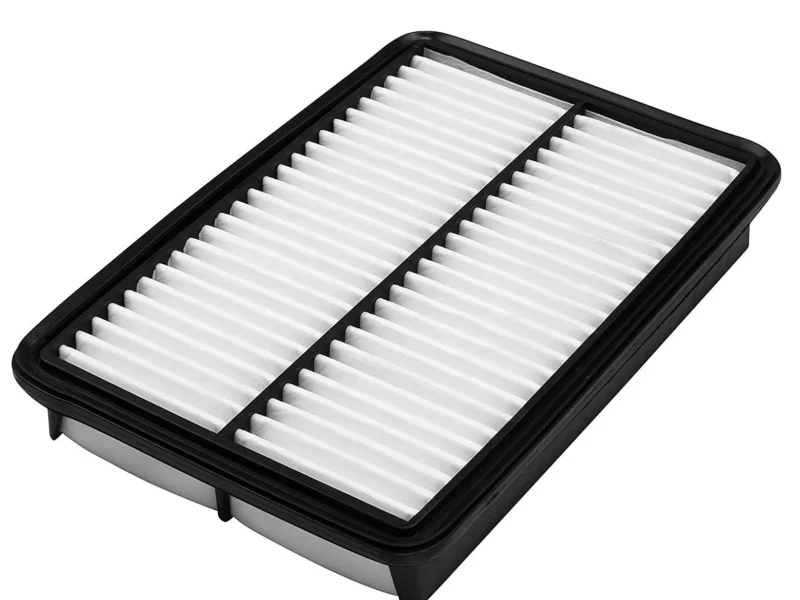
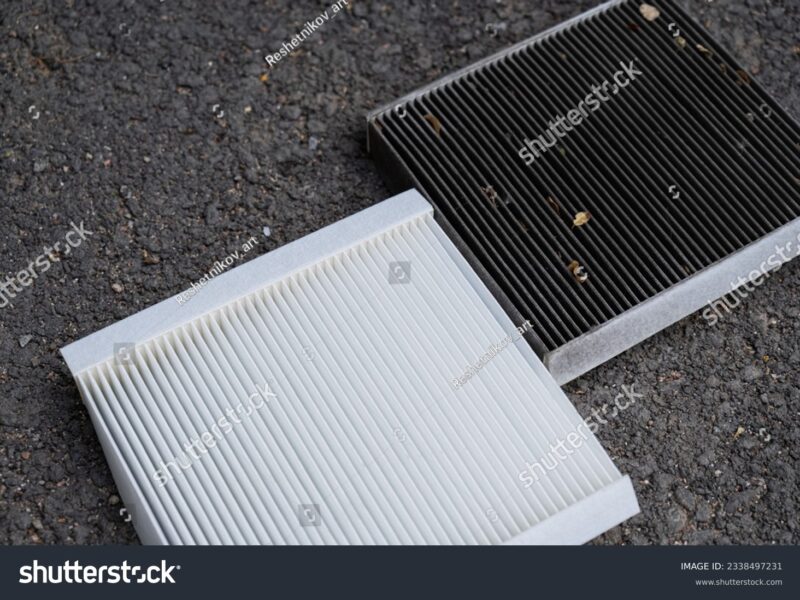
The cost of a cabin air filter replacement typically ranges from $40 to $130 for parts and labor at a professional service center, though this can vary significantly based on your vehicle’s make and model, the type of filter chosen, and whether you opt for professional installation or a DIY approach.
While the filter itself might cost as little as $10-$30 for a basic model, more advanced options like activated carbon or HEPA filters can run higher. Understanding these variables is crucial for budgeting your vehicle’s maintenance and ensuring optimal air quality inside your car.
What Influences the Total Cabin Air Filter Replacement Cost?
Several critical factors dictate the final price you’ll pay for a cabin air filter replacement. These include the specific make and model of your vehicle, the type of filter required or chosen, and the cost of labor if you seek professional assistance. Luxury vehicles or those with complex cabin layouts often demand more expensive parts and can increase labor time due to difficult filter accessibility.
The choice between an Original Equipment Manufacturer (OEM) filter and an aftermarket option also plays a significant role. OEM filters, designed to match the manufacturer’s original specifications, may cost more but often guarantee precise fitment and performance. Aftermarket filters, while potentially more affordable, can vary in quality and filtration efficacy.
Furthermore, the type of filter media directly impacts the price. Basic particle filters, made from synthetic polyester, are generally the least expensive. However, for enhanced air purification, you might consider activated carbon filters, which absorb odors and chemical pollutants, or HEPA filters, designed to capture microscopic particles like allergens and bacteria. These premium options naturally come at a higher price point, ranging from $20 to $50 or more for the part alone.
Breaking Down the Costs: Parts vs. Labor
When you get a cabin air filter replaced professionally, the total cost is a combination of the filter part itself and the labor involved in its installation. The filter part typically ranges from $10 to $70, depending on its type and brand, with basic filters at the lower end and specialized HEPA or activated carbon filters at the higher end. For instance, a basic paper filter might cost around $10-$20, while an activated carbon filter can be $20-$50.
Labor costs for cabin air filter replacement can vary significantly, usually estimated between $20 and $66, but sometimes reaching up to $100. This variation stems from how easily the filter can be accessed in your specific vehicle. In many modern cars, the cabin air filter is conveniently located behind the glovebox, making replacement a quick job that might take as little as 15-30 minutes. However, in some vehicles, especially certain foreign or luxury models, the filter might be located under the hood or require partial disassembly of the dashboard or windshield cowling, which can extend labor time and cost.
Dealerships may charge more for the service, often averaging between $40 and $130, while independent mechanics might offer more competitive rates. Some repair shops may even offer flat fees for the entire job, which could range from $50 to $150. Always inquire about the breakdown of costs to understand what you are paying for the part versus the labor.
When Should You Replace Your Cabin Air Filter to Avoid Higher Costs?
Regular replacement of your cabin air filter is not just about breathing cleaner air; it’s also a preventative measure against more expensive issues. Manufacturers generally recommend replacing the cabin air filter every 15,000 to 30,000 miles or annually, whichever comes first. However, driving in dusty environments, heavily polluted urban areas, or regions with high pollen counts may necessitate more frequent changes.
Neglecting to replace a clogged cabin air filter can lead to a host of problems that impact both comfort and vehicle performance. When the filter becomes congested with dust, pollen, and other airborne pollutants, it restricts airflow to your vehicle’s air conditioning system. This restriction causes the AC system to work harder to maintain the desired temperature, leading to diminished AC efficiency and potentially premature wear on components like the blower motor or air conditioning evaporator.
Furthermore, a dirty filter compromises the air quality inside your vehicle, potentially exacerbating allergies or respiratory issues for occupants. If you’re experiencing poor air quality, reduced airflow from your vents, or an unusual musty odor, these are clear warning signs of a bad cabin air filter. Addressing these symptoms promptly with a replacement can prevent more costly repairs down the line and ensure your air conditioning system performs efficiently.
DIY vs. Professional Replacement: Savings and Risks
Deciding between a do-it-yourself (DIY) cabin air filter replacement and professional installation often comes down to cost savings versus convenience and expertise. For many vehicle owners, performing the replacement themselves can significantly reduce the total expenditure, as you only pay for the filter part, which typically ranges from $10 to $70. This eliminates labor costs, which can be $20-$100 per job.
The complexity of DIY replacement varies greatly depending on your vehicle’s design. In many popular models, the cabin air filter is easily accessible behind the glove box, requiring only basic tools like a screwdriver and a few minutes of your time. Online tutorials and your vehicle’s owner’s manual can provide specific instructions, making it a feasible task for many car owners.
However, some vehicles, especially certain luxury or older models, position the cabin air filter in more challenging locations, such as under the dashboard, deep within the engine bay, or requiring the removal of trim pieces. In these cases, incorrect installation can lead to damaged components or improper filtration, potentially compromising air quality or even damaging the HVAC system. Professional installation guarantees the job is done correctly, especially for those who are less mechanically inclined or whose vehicle has a particularly intricate filter housing.
Comparative Cabin Air Filter Replacement Costs by Vehicle Type
The cost of replacing a cabin air filter is not uniform across all vehicles. Factors such as the filter’s size, the technology it employs (e.g., activated carbon, HEPA), and its accessibility within the vehicle’s HVAC system significantly influence the price. Luxury vehicles, for instance, often use specialized filters that can be more expensive and harder to access, leading to higher labor costs.
Below is a comparative table illustrating potential price ranges for cabin air filter replacement, differentiating between the part cost and estimated labor for various vehicle categories. These figures are general estimates and can fluctuate based on location, service provider, and specific filter brands.
| Vehicle Category | Estimated Part Cost (Standard Filter) | Estimated Part Cost (Premium Filter) | Estimated Labor Cost | Total Estimated Cost Range |
|---|---|---|---|---|
| Compact Sedans (e.g., Honda Civic, Toyota Corolla) | $10 – $25 | $20 – $40 | $20 – $45 | $30 – $85 |
| Mid-size Sedans (e.g., Toyota Camry, Honda Accord) | $15 – $30 | $25 – $50 | $25 – $50 | $40 – $100 |
| SUVs/Crossovers (e.g., Toyota RAV4, Honda CR-V) | $20 – $35 | $30 – $60 | $30 – $60 | $50 – $120 |
| Luxury Vehicles (e.g., BMW 3 Series, Mercedes-Benz C-Class) | $25 – $50 | $40 – $80+ | $40 – $75+ | $65 – $155+ |
| Pickup Trucks (e.g., Ford F-150, Ram 1500) | $15 – $35 | $25 – $55 | $25 – $55 | $40 – $110 |
As you can see, a standard cabin air filter for a compact sedan might cost as little as $30 for the complete job, while a premium filter in a luxury vehicle could easily exceed $150 due to more expensive components and increased labor complexity.
FAQs About Cabin Air Filter Replacement Costs
How often should a cabin air filter be replaced?
Most automotive manufacturers recommend replacing the cabin air filter every 15,000 to 30,000 miles or at least once a year, depending on your driving conditions. If you frequently drive in dusty, heavily polluted, or unpaved areas, you might need to replace it more often, possibly every 5,000 to 10,000 miles, to maintain optimal air quality and prevent a clogged filter. Conversely, driving primarily in clean, urban environments might allow for slightly longer intervals. Always refer to your vehicle’s owner’s manual for the most accurate and specific recommendations.
Can a clogged cabin air filter affect my car’s AC performance?
Yes, absolutely. A clogged cabin air filter significantly restricts the airflow entering your vehicle’s cabin through the HVAC system. This restriction forces your air conditioning system to work harder to push air through the dirty filter, leading to diminished cooling efficiency and reduced airflow from the vents. In severe cases, a heavily clogged filter can strain the blower motor, potentially shortening its lifespan and leading to more expensive repairs. Replacing a dirty filter with a clean one can dramatically improve AC performance and airflow, ensuring your system runs efficiently and effectively.
Is an activated charcoal cabin air filter worth the extra cost?
For many drivers, an activated charcoal (or carbon) cabin air filter is indeed worth the extra cost, typically adding an additional $10 to $20 to the price of a standard filter. These filters contain a layer of activated carbon that is highly effective at absorbing odors, exhaust fumes, volatile organic compounds (VOCs), and other chemical pollutants that basic particle filters cannot trap. If you are particularly sensitive to smells, frequently drive in urban areas with heavy traffic, or live near industrial zones, the enhanced odor filtration and improved air quality offered by an activated charcoal filter can provide a noticeably more pleasant driving experience.
What are the warning signs that I need a new cabin air filter?
Several key warning signs indicate your cabin air filter needs replacement. One of the most common is a noticeable decrease in airflow from your vehicle’s air conditioning and heating vents, even when the fan speed is set high. You might also experience a persistent musty, stale, or unpleasant odor within the cabin, as the filter can no longer trap odors effectively. Other symptoms include increased dust accumulation on your dashboard and interior surfaces, and potentially an increase in allergy symptoms for sensitive passengers due to more pollen and allergens entering the cabin. If you observe any of these signs, a prompt inspection and replacement are recommended to restore optimal air quality and HVAC performance.