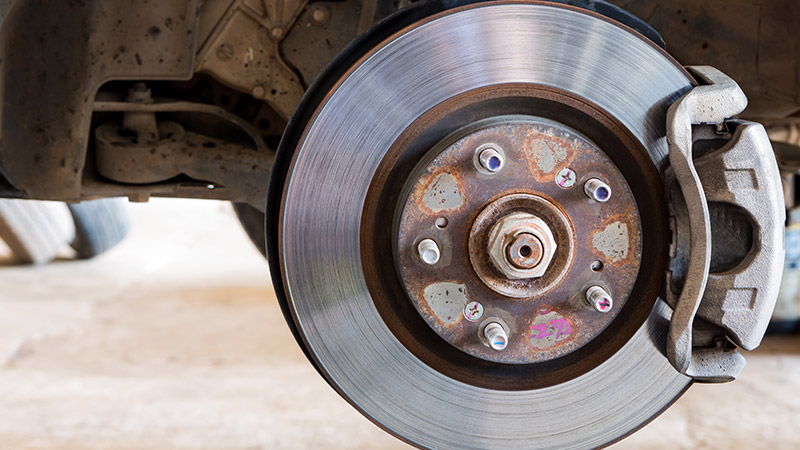
The brake pad shims are precisely engineered components positioned between the brake pad backing plate and the caliper piston or caliper bracket. Their primary purpose is to mitigate noise, dampen vibrations, and manage heat transfer within the disc brake system, thus enhancing overall braking performance and driver comfort. By providing a barrier, shims significantly reduce the auditory disturbances commonly associated with braking.
What is the fundamental purpose of brake pad shims?
The fundamental purpose of brake pad shims is to address and resolve noise, vibration, and harshness (NVH) issues inherent in automotive disc brake systems. These shims function as critical components for acoustic damping and thermal management, directly impacting the longevity of the braking system and the driving experience.
Brake pad shims isolate the brake pad from direct contact with caliper components. This isolation prevents the direct transmission of vibrations, a primary cause of brake squeal and other unwanted noises. By acting as a damper, shims absorb kinetic energy and convert it to insignificant heat, avoiding resonance frequencies that lead to audible noise. Furthermore, shims contribute to a consistent pedal feel by ensuring proper pad seating and reducing minute movements that could compromise braking stability.
How do brake pad shims reduce noise in braking systems?
Brake pad shims reduce noise in braking systems by damping high-frequency vibrations and altering the resonant characteristics of the brake assembly. This noise reduction is achieved through various physical mechanisms, including mass loading, friction damping, and component decoupling.
The mass of the shim itself adds inertia to the brake pad assembly, shifting the resonance frequency outside the audible range. Friction damping occurs when multi-layer shims, often made from dissimilar materials such as steel and rubber, rub against each other under microscopic movement, dissipating vibrational energy as heat. Decoupling separates the metal backing plate of the brake pad from the caliper, preventing direct metal-to-metal contact that would amplify vibrations. Without these components, the brake system would experience increased noise levels, such as squeaking, grinding, and rattling, which directly affect the vehicle’s refinement. For maintenance strategies to achieve optimal braking performance, especially in harsh conditions, understanding brake fade prevention is essential.
What materials and designs constitute effective brake pad shims?
Effective brake pad shims are composed of specific materials and designs optimized for vibration damping, heat resistance, and durability. Common materials include steel, rubber, or complex multi-layer laminates, each offering distinct advantages.
Single-layer shims, often made of smooth steel, provide basic vibration reduction and protection. In contrast, multi-layer shims are designed for superior noise reductions. These typically consist of a steel base layer, an elastomeric or rubber intermediate layer for acoustic damping, and sometimes an adhesive top layer for secure mounting. The rubber or polymer layer is crucial for absorbing high-frequency vibrations. Some shims feature advanced coatings such as molybdenum disulfide (MoS2) to reduce friction and enhance noise suppression. Understanding the complexities of these components is vital for maintaining effective braking systems, a concept explored in greater detail in the evolution of automotive braking systems.
Table: Comparison of Materials and Designs of Brake Pad Shims
| Characteristic | Single-Layer Steel Shim | Multi-Layer Steel/Rubber Shim | Coated Shim (e.g., MoS2) |
|---|---|---|---|
| Primary Material | Steel | Steel, Rubber/Elastomer | Steel with special coating |
| Noise Reduction | Basic | Excellent | Very Good (reduced friction) |
| Vibration Damping | Limited | High | High (with additional damping) |
| Thermal Insulation | Moderate | Good | Good |
| Durability | High | Moderate to High | High |
| Application | Budget, basic needs | Standard, premium, noise-sensitive | Enhanced performance, noise reduction |
How do brake pad shims contribute to overall braking performance?
Brake pad shims contribute to overall braking performance by ensuring consistent pad operation, managing heat transfer, and preventing issues such as brake fade. Their function extends beyond mere noise reduction to providing direct operational benefits.
Shims help maintain stable temperatures by acting as a thermal barrier between the brake pad backing plate and the caliper piston. This insulation prevents excessive heat from transferring to the brake fluid, which can cause a spongy pedal feel and reduced braking efficiency due to fluid boiling. By stabilizing temperatures and dampening vibrations, shims help the friction material of the brake pad operate within its optimal temperature range, resulting in more predictable and consistent braking power. For high-performance vehicles, optimizing every component is crucial, including whether carbon ceramic brakes are worth the investment.
Are there different types of brake pad shims and their specific applications?
Yes, there are different types of brake pad shims designed for specific applications, ranging from original equipment manufacturer (OEM) specifications to aftermarket solutions tailored for noise profiles or particular performance needs. These variations primarily involve material composition, layer configuration, and fastening methods.
OEM shims are engineered to meet the precise NVH characteristics and performance requirements specified by the vehicle manufacturer. They are generally multi-layer and designed for a balanced approach to noise reduction, heat management, and durability. Aftermarket shims offer various options, including heavy-duty versions for commercial vehicles or advanced composite shims for performance applications requiring resistance to extreme temperatures and superior noise suppression. Some aftermarket shims adhere directly to the brake pad backing plate, while others are mechanically fastened or secured, providing different levels of damping and ease of installation.
Frequently Asked Questions
What happens if I do not use brake pad shims?
If brake pad shims are not used, the braking system is likely to experience increased noise levels, primarily squeals due to direct metal-to-metal contact and undamped vibrations between the brake pad and caliper components. Additionally, the transfer of heat to the caliper and brake fluid can accelerate, potentially leading to premature fluid degradation and reduced braking efficiency.
How often should brake pad shims be replaced?
Brake pad shims should typically be replaced each time new brake pads are installed. Since shims are often designed to have a lifespan similar to that of a set of brake pads, reusing old shims may compromise their effectiveness in noise reduction and vibration damping. Many new brake pad sets include replacement shims.
Are all brake pad shims universal?
No, brake pad shims are not universal. Shims are designed for specific configurations of brake pads and calipers, taking into account pad shape, size, and caliper geometry. Using the incorrect shim can lead to improper fitment, reduced noise suppression effectiveness, and potential braking performance issues. Always ensure that replacement shims match the vehicle’s make, model, and year or are specifically recommended for the brake pads being installed.