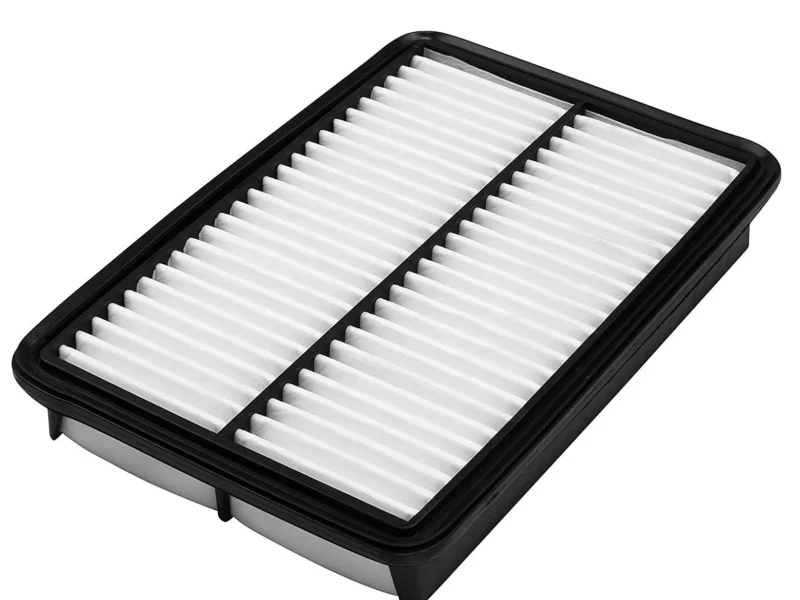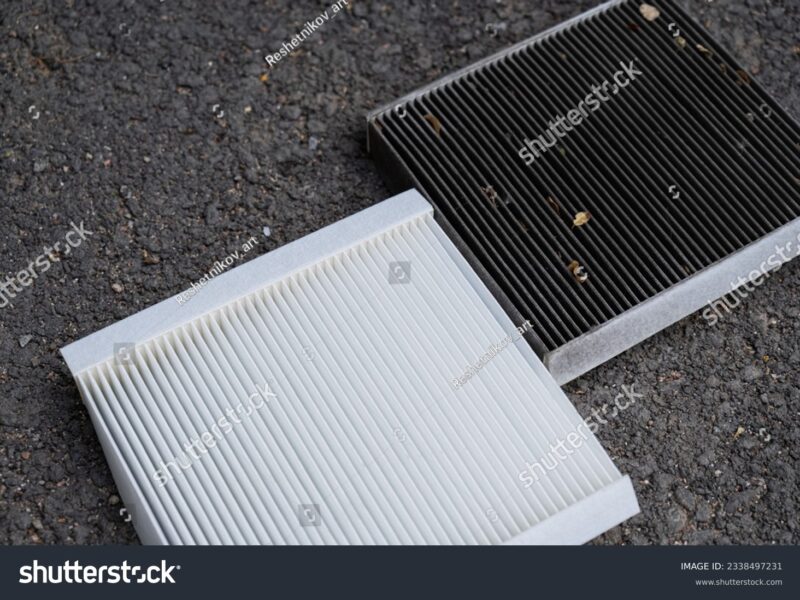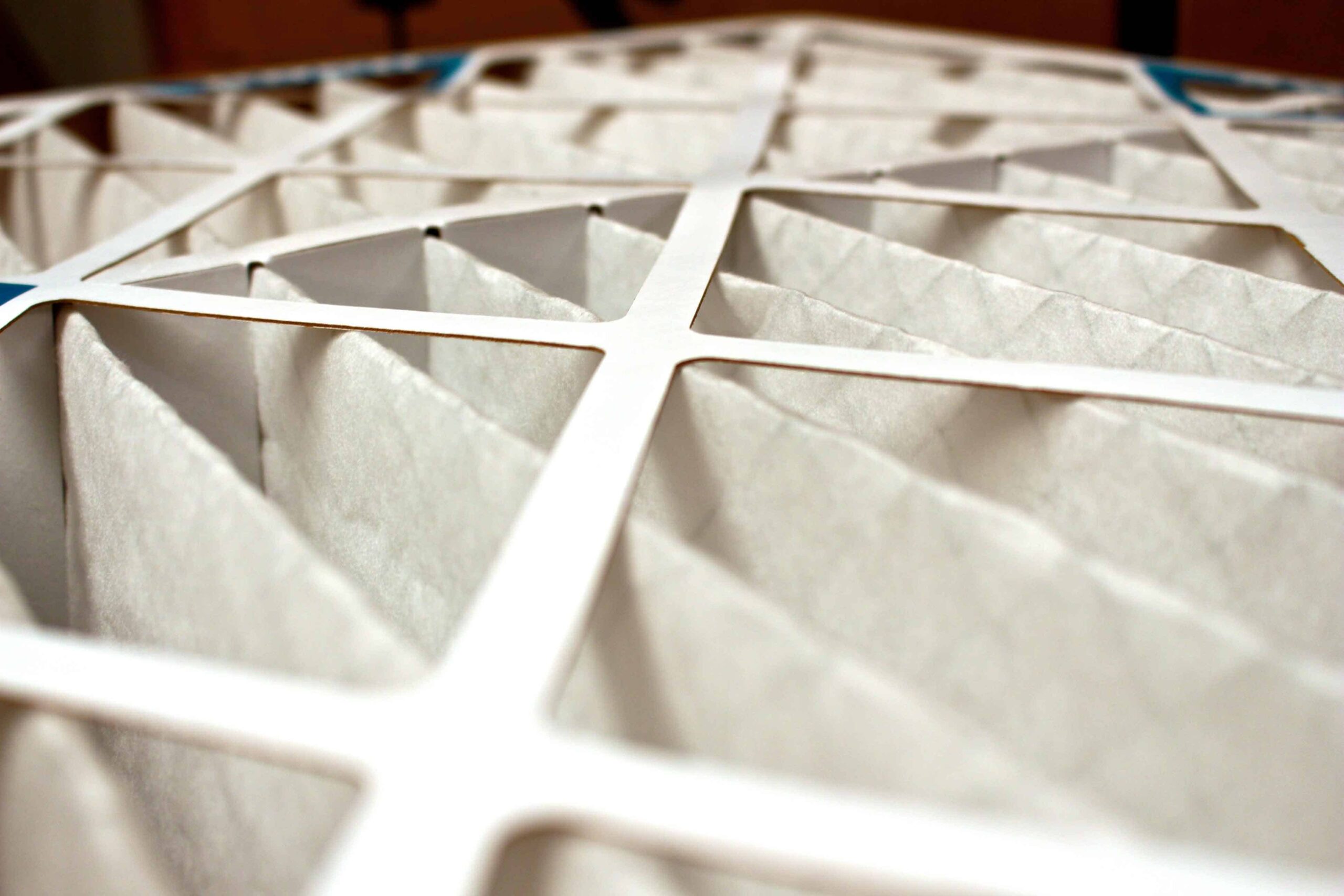
For those who suffer from allergies, choosing a high-efficiency cabin air filter is essential to ensuring top-notch air quality inside your vehicle. These filters play a pivotal role in filtering out airborne allergens circulating through your car’s heating, ventilation, and air conditioning (HVAC) system, creating a comfortable and safe environment.
What Specific MERV Ratings Are Recommended for Allergy Sufferers in Cabin Air Filters?
The Minimum Efficiency Reporting Value (MERV) system, established by the American Society of Heating, Refrigerating and Air-Conditioning Engineers (ASHRAE), evaluates an air filter’s effectiveness in capturing particles ranging from 0.3 to 10 microns (µm) in size. A higher MERV rating indicates superior filtration efficiency, which is crucial for allergy sufferers.
For the best results in controlling allergens within your vehicle, it is generally recommended to choose a cabin air filter with a MERV rating between 11 and 13. This range is specifically effective at trapping common allergens, such as pollen, dust mites, and pet dander, while also ensuring optimal airflow through the HVAC system. For those with severe allergies or heightened sensitivities, opting for a MERV 13 filter can provide even more comprehensive protection against finer particles.
To delve deeper into MERV ratings, take a look at our article: Decoding MERV: What Car Air Filter Ratings Mean for Your Vehicle.
How Do Advanced Filtration Materials Enhance Cabin Air Quality for Allergy Relief?
While MERV ratings are important, the materials utilized in cabin air filters also significantly enhance their efficacy against allergens and pollutants. Filters that incorporate advanced media, such as HEPA-type (High-Efficiency Particulate Air) filtration and activated carbon layers, offer additional protections targeting specific contaminants.
Do HEPA-Type Cabin Air Filters Provide Superior Allergy Protection?
HEPA-type cabin air filters are designed for exceptional filtration, capable of capturing at least 99.97% of airborne particles as small as 0.3 micrometers. This includes a wide range of irritants like ultra-fine particles, pollen, dust, pet dander, mold spores, and certain bacteria and viruses. As such, these filters represent the gold standard for individuals with allergies. The dense filtering media, often made of micro-glass or synthetic fibers, ensures a thorough capture of microscopic irritants. While traditional HEPA filters can restrict airflow in residential systems, HEPA-standard cabin filters are tailored for automotive HVAC systems, providing high efficiency without compromising vehicle performance.
How Does Activated Carbon Target Odors and Chemical Irritants?
Activated carbon, also known as activated charcoal, is a vital component in many high-performance cabin air filters, particularly for those sensitive to odors and volatile organic compounds (VOCs). These filters feature an additional activated carbon layer that chemically adsorbs harmful gases, smoke, exhaust fumes, and other chemical pollutants. This comprehensive, dual-layer filtration approach significantly enhances the air quality within the cabin, benefiting both allergy sufferers and pet owners alike. To learn more about managing vehicle odors and airborne particles from pets, explore our article: Say Goodbye to Fido’s Fumes: Best Cabin Air Filters for Pet Owners.
Which Specific Brands Offer High-Performance Cabin Air Filters for Allergies?
Several brands specialize in high-efficiency cabin air filters designed specifically to minimize allergens effectively. These filters typically combine high MERV ratings with multi-layer filtration, including activated carbon and HEPA-type materials, to ensure superior protection.
The table below outlines some illustrative examples of high-performance cabin air filters and their key specifications tailored for allergy sufferers:
| Filter Type (Illustrative) | MERV Rating | Filtration Material | Key Benefit for Allergies |
|---|---|---|---|
| Advanced Pleated & Activated Carbon | MERV 11 | Synthetic Pleated Media + Activated Carbon | Captures pollen, dust, and pet dander (0.3-10 µm) while absorbing odors and fumes. |
| HEPA-Type & Activated Carbon | Exceeds MERV 16 (HEPA Standard) | Melt-blown Electrostatic Layer + Activated Carbon | Traps 99.97% of particles down to 0.3 µm (pollen, dust, mold, bacteria) and neutralizes odors and gases. |
| High-Efficiency Synthetic Pleated | MERV 13 | Multi-Layer Synthetic Pleated Media | Highly effective for fine dust, pollen, pet dander, and some bacteria (down to 1 µm). |
These filter types are expertly designed to capture airborne contaminants, enhancing indoor air quality and significantly alleviating allergy symptoms for those inside the vehicle. For further insights into how these filters can help you breathe easier, click here: Breathe Easy: How Your Car’s Cabin Air Filter Fights Allergy Symptoms.
How Often Should Cabin Air Filters Be Replaced to Maintain Optimal Allergy Relief?
Automakers generally recommend changing cabin air filters every 12,000 to 15,000 miles or on an annual basis, although some may suggest extending this interval to 30,000 miles. However, for individuals affected by allergies, experts agree on a more frequent replacement schedule. It is advisable to change your filter at least twice a year—once before the onset of pollen season in spring, and once more before winter’s arrival. In environments characterized by heavy traffic, dust, or high pollution, you may need to replace the filter every 20-45 days during peak allergy seasons.
A clogged cabin air filter not only reduces efficiency but can also become a breeding ground for filtered particles, fungi, and bacteria that may circulate in the cabin. Clear signs indicating the need for immediate replacement include diminished airflow from vents, persistent musty odors, or an increase in sneezing and watery eyes while driving.
Frequently Asked Questions (FAQ)
What is the primary benefit of a MERV 13 cabin air filter for allergy sufferers?
A MERV 13 cabin air filter is highly effective at capturing fine particles, including pollen, pet dander, mold spores, and certain bacteria down to 1 micron, significantly reducing allergy triggers inside the vehicle.
Can HEPA cabin air filters restrict airflow in my vehicle?
Modern HEPA-standard cabin air filters are expertly designed to deliver high filtration efficiency (99.97% at 0.3 microns) while maintaining optimal airflow in most vehicle HVAC systems.
How does activated carbon in a cabin filter help with allergies?
Activated carbon effectively adsorbs gaseous pollutants, odors, and VOCs that can irritate respiratory systems, enhancing the overall air quality alongside particulate filtration for a cleaner, fresher environment.
Is it possible to install a high-efficiency cabin air filter myself?
Many cabin air filters are designed for easy replacement and can typically be found behind the glove box or under the dashboard, making DIY installation feasible for a wide range of vehicle models.
Should I replace my cabin air filter before or after allergy season?
It is best to replace your cabin air filter before allergy season begins in spring and again at the end of the season. This proactive approach ensures maximum protection against seasonal allergens.