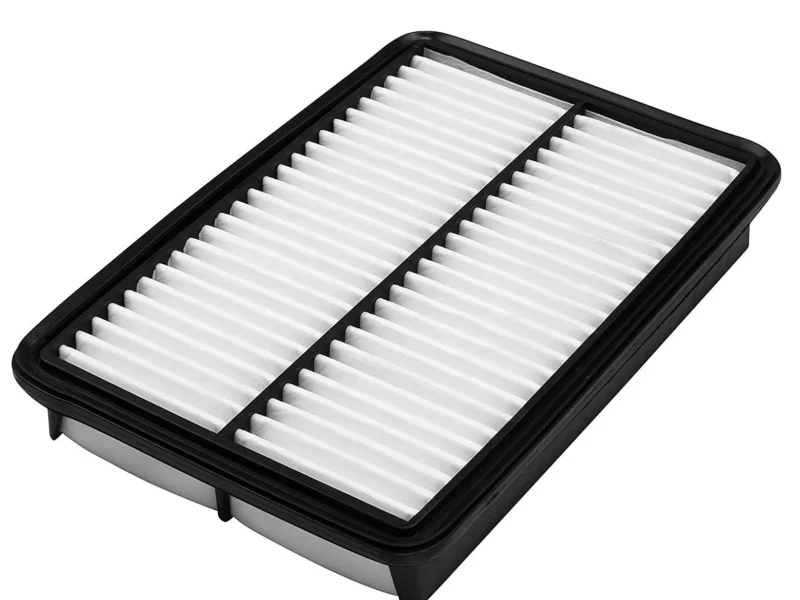
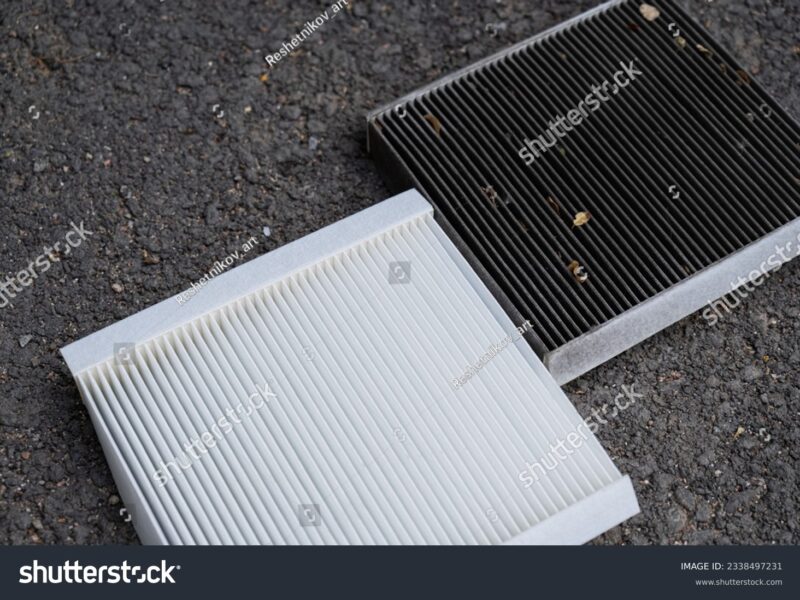
A car cabin filter serves as a vital component of your vehicle’s heating, ventilation, and air conditioning (HVAC) system, meticulously designed to purify the air flowing into the passenger compartment. For pet owners, these filters are indispensable, significantly mitigating common issues like unpleasant odors, pet dander, and allergens. This leads to a dramatically improved interior air quality. The primary role of a cabin air filter is to shield the vehicle’s interior from external pollutants. When tailored for pet owners, these filters specifically target airborne contaminants linked to our furry friends, ensuring a healthier and more comfortable driving experience for everyone inside.
What is a Cabin Air Filter, and How Does it Combat Pet Odors?
A cabin air filter operates by physically trapping airborne particles and chemically adsorbing gaseous contaminants as air flows through it, prior to entering the vehicle’s cabin. This filtration mechanism excels in tackling pet-related air quality issues by eliminating both particulate matter and volatile organic compounds (VOCs) responsible for annoying odors. Specialized filters for pet owners not only capture physical debris but also neutralize the gaseous molecules that cause persistent smells, making every ride more pleasant.
How Do Activated Carbon Filters Neutralize Pet Odors?
Activated carbon filters combat pet odors through a process known as adsorption. In this process, gaseous molecules cling to the porous surface of the carbon material. Composed of over 90% carbon, activated carbon boasts an incredible surface area of 300 to 2,000 square meters per gram. This unique structure allows the filter to effectively entrap odorous gases, including Volatile Organic Compounds (VOCs) and ammonia, often emitted by pet waste, saliva, and dander. As VOCs evaporate from various materials, they contribute to unpleasant smells. By binding these odor-producing compounds, activated carbon filters prevent them from recirculating within the car, ensuring a long-lasting solution instead of merely masking the smells.
What Role Do Particulate Filters Play in Managing Pet-Related Allergens?
Particulate filters primarily eliminate airborne particles such as dust, pollen, and pet dander from the air entering your vehicle. Consisting of microscopic flecks of skin shed by furry or feathered animals, pet dander can be significant triggers for allergies and asthma. Standard particulate filters, typically made of pleated paper or synthetic fibers, capture particles ranging from 5 to 100 microns. While activated carbon focuses on odors, particulate filtration is critical for tackling physical contaminants. High-efficiency particulate air (HEPA) filters are particularly effective, capturing a staggering 99.97% of particles as small as 0.3 microns, well within the size range of most pet dander particles, which usually measure between 2.5 to 10 microns.
What Key Features Define the Best Cabin Air Filters for Pet Owners?
The most effective cabin air filters for pet owners feature enhanced attributes aimed at improving air purification, focusing on both odor neutralization and allergen removal. These filters often combine advanced filtration media and robust construction to ensure consistent performance and vehicle compatibility. Many of them incorporate multiple layers, such as a pre-filter, an activated carbon layer, and either a particulate or HEPA-grade layer, addressing various contaminants for comprehensive protection.
What Filtration Technologies Offer Superior Pet Odor Elimination?
Exceptional pet odor elimination is primarily achieved through filters that contain a substantial amount of activated carbon or charcoal, renowned for their ability to adsorb gaseous pollutants. Certain filters, such as select FRAM Fresh Breeze models, further incorporate baking soda to amplify odor neutralization. Electrostatic cabin air filters utilize electrically charged layers to attract and capture ultrafine particles, including cigarette smoke and diesel carbon, enhancing overall air freshness. Combination filters—merging both particulate filtration and activated carbon layers—are commonly used in modern vehicles. For a deeper insight into filtration mechanisms, check our article on Carbon vs. Particulate: Choosing the Best Cabin Air Filter for Your Car.
How Often Should Pet Owners Replace Their Cabin Air Filter?
Pet owners should replace their cabin air filter significantly more often than standard recommendations suggest, owing to increased exposure to pet hair, dander, and lingering odors. While general guidelines advise replacement every 10,000 to 15,000 miles or annually, vehicles that frequently transport pets may need filters replaced every 30 to 60 days. Factors like the number of animals, their shedding patterns, and how often the car is used can influence the ideal replacement interval. A clogged filter can hinder airflow, decrease HVAC efficiency, and recirculate trapped contaminants. Regular checks for visible dirt or diminished airflow from the vents are essential indicators for when replacement is needed. For step-by-step instructions on this process, consult our DIY Guide: Replace Your Car’s Cabin Air Filter in 15 Minutes.
Comparative Analysis: Leading Cabin Air Filter Technologies for Pet Odor Reduction
Gaining an understanding of the differences among cabin air filter technologies is crucial for pet owners striving for optimal air purification. Each type presents unique advantages in terms of particle capture and odor neutralization, directly influencing overall cabin air quality.
| Filter Type | Primary Mechanism | Effectiveness Against Pet Odors | Effectiveness Against Pet Dander/Allergens | Typical Lifespan for Pet Owners |
|---|---|---|---|---|
| Standard Particulate Filter | Mechanical filtration (trapping particles) | Low (no chemical adsorption) | Moderate (captures larger particles) | 3-6 months (clogs faster with pets) |
| Activated Carbon Filter | Adsorption (chemical binding) | High (neutralizes VOCs and gases) | Low (does not primarily filter solid particles) | 1-3 months (carbon saturation occurs) |
| Combination Filter (Particulate + Carbon) | Mechanical filtration & Adsorption | High (odor & gas reduction) | High (captures dander & other particles) | 2-4 months (balance of filtration) |
| HEPA-grade Cabin Air Filter | High-efficiency mechanical filtration | Low (not designed for gases/odors) | Very High (captures 99.97% of 0.3 micron particles) | 3-6 months (density may restrict airflow) |
Can a regular cabin air filter remove pet odors effectively?
No, a standard particulate cabin air filter is typically ineffective at removing pet odors. Its primary function is capturing solid particles like dust and dander rather than gaseous odor molecules. While it prevents larger contaminants from infiltrating the cabin, it lacks the activated carbon layer necessary for the chemical adsorption of VOCs that generate unpleasant smells.
Are there specific car brands or models with better cabin air filtration systems for pets?
While certain car brands or models may not universally surpass others in filtration, many vehicles offer upgraded cabin air filter alternatives, particularly those featuring activated carbon or combination filters, that are more beneficial for pet owners. Consumers are encouraged to consult their vehicle’s owner’s manual or an automotive parts specialist to identify high-quality filters that enhance odor elimination and allergen capture. Notable aftermarket brands like FRAM and Purolator provide specialized filters designed with activated carbon for superior odor control.
What other steps can I take to eliminate pet odors from my car?
In addition to specialized cabin air filters, several effective measures can significantly diminish pet odors within a vehicle. Regular vacuuming with a HEPA-filtered vacuum eliminates embedded pet hair and dander. Enzymatic cleaners can be used on upholstery to address organic stains at a molecular level, while airing out the vehicle with cracked windows, especially in sunlight, aids in dissipating odors. Moreover, placing charcoal bags or specifically formulated deodorizing powders containing activated carbon can absorb lingering smells from the car’s interior surfaces.