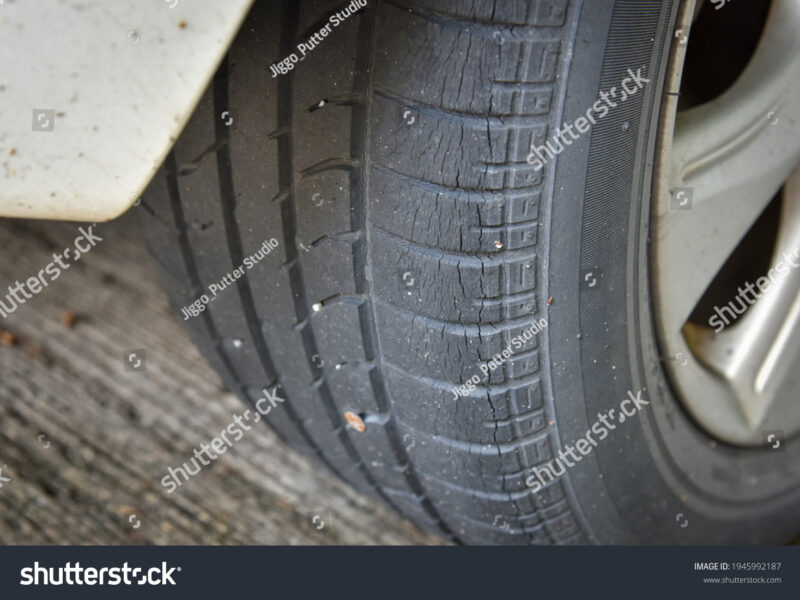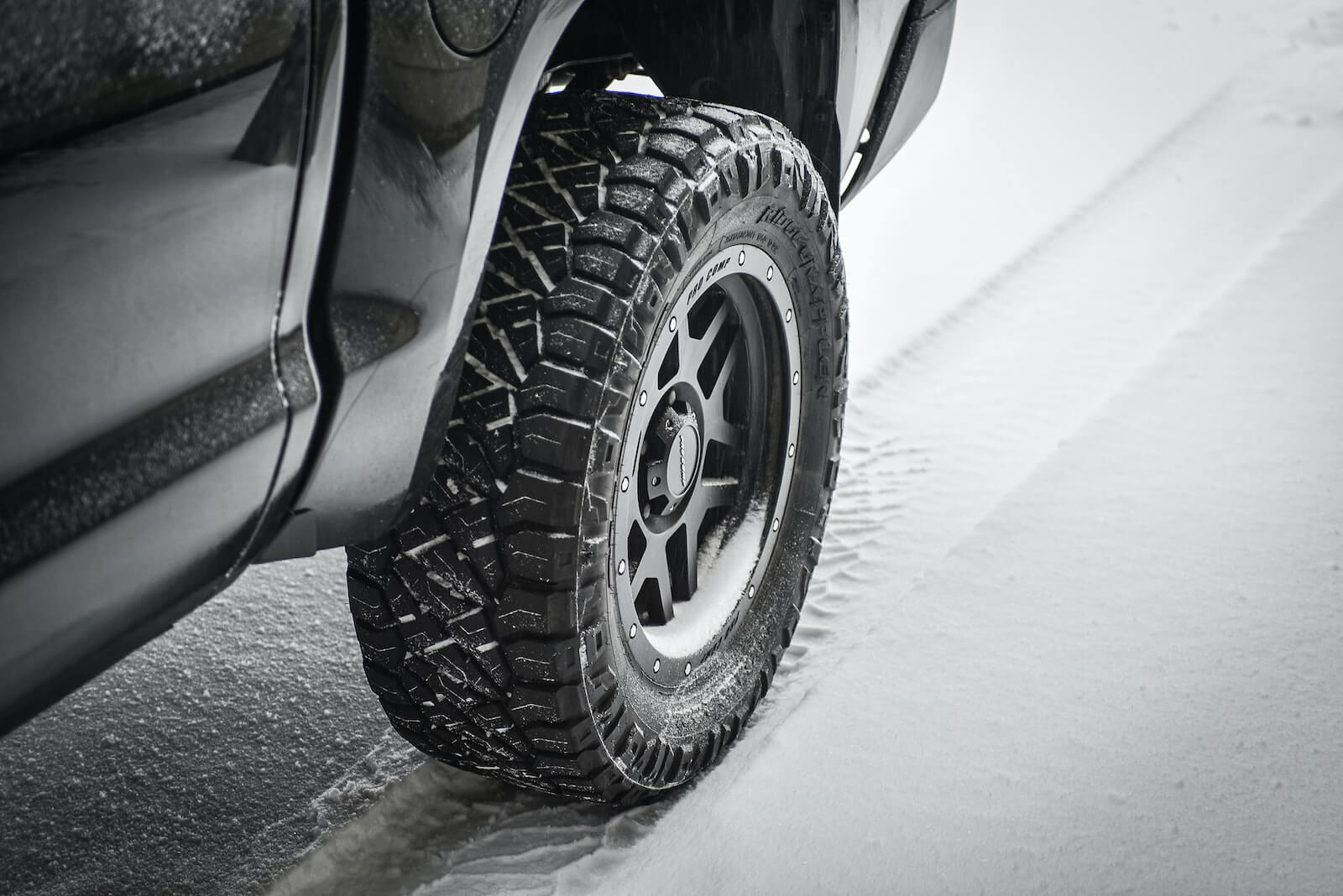
Selecting the right all-season tires for your sedan is not just a choice; it’s a crucial decision that impacts your vehicle’s performance and safety across various driving conditions. Whether you’re navigating dry pavement, heavy rain, or light snow, the right tires ensure consistent grip, superior handling, and long-term value. This guide delves into the top-rated all-season tire options designed specifically for sedans, examining essential performance metrics such as treadwear ratings, braking distances in wet and dry conditions, snow traction abilities, and projected longevity. By the end, you’ll be well-equipped to make an informed purchase.
What defines a top-tier all-season tire for sedans?
Top-tier all-season tires for sedans boast a precise balance of performance attributes that deliver reliable operation in diverse climates without the need for seasonal changes. Key metrics include a robust Uniform Tire Quality Grading (UTQG) for treadwear, superior traction in wet and dry conditions, and demonstrable capabilities in light snow—a distinction marked by the Three-Peak Mountain Snowflake (3PMSF) symbol. Moreover, these tires focus on ride comfort, minimized road noise, and enhanced fuel efficiency. Unlike SUV tires, which are built for heavier loads and off-road potential, sedan tires prioritize a smooth, quiet ride and fuel economy for primarily on-road driving.
Previous articles on this site have concentrated on the Top-Rated All-Season Tires for SUVs. In contrast, sedan tires feature lighter structures and tread patterns that optimize highway performance, making them ideal for commuters. Advances in all-season tire technology, particularly for electric vehicles, are discussed further in The Future of Driving: Essential Insights into Car Tires for Electric Vehicles. These advancements highlight features like reduced rolling resistance and noise, which enhance both the driving experience and EV range—considerations increasingly relevant for today’s sedans.
Which all-season tires excel in performance for sedans?
Is the Michelin CrossClimate 2 suitable for premium sedans?
The Michelin CrossClimate 2 is an exceptional all-season grand touring tire tailored for premium sedans, coupes, and crossovers. Renowned for its outstanding wet and dry braking performance, as well as robust snow traction, this tire carries the Three-Peak Mountain Snowflake (3PMSF) rating, indicating its proficiency in severe snow conditions—an uncommon trait among all-season tires. In independent tests, the CrossClimate 2 has demonstrated remarkable results, stopping up to 16 feet shorter on dry pavement and up to 56 feet shorter on wet surfaces than its top competitors. Its unique V-shaped tread pattern effectively channels water and maintains flexibility in cooler climates, ensuring dependable grip. The tire is typically backed by a 60,000-mile warranty.
How does the Continental PureContact LS balance comfort and performance?
Engineered for family sedans and crossovers, the Continental PureContact LS offers a harmonious blend of comfort and performance. This all-season touring tire excels in wet braking thanks to its advanced silica compounds and a tread design optimized for efficient water evacuation. Known for its smooth, quiet ride, the PureContact LS delivers commendable tread life, making it a reliable choice for commuters, particularly in wet-prone regions. While specific UTQG ratings can vary by size, its focus on comfort and tread longevity reinforces its status as a trustworthy option for daily sedan use.
What makes the Goodyear Assurance ComfortDrive a top choice for quietness?
Designed with cutting-edge noise reduction technology, the Goodyear Assurance ComfortDrive ensures a notably smooth and quiet ride for sedans. This all-season touring tire is recognized for its impressive durability and performance consistency across variable weather conditions. While the Goodyear Assurance WeatherReady, its closely related predecessor, earned the 3PMSF rating for strong snow performance, the ComfortDrive maintains a primary focus on refined driving dynamics suited to both luxury and standard sedans. With commendable all-weather stability, it also aims for fuel efficiency—a vital consideration for sedan owners.
Where can sedans find optimal grip and safety year-round?
Does the Pirelli P7 Cinturato AS II offer superior wet and dry traction?
The Pirelli P7 Cinturato AS II, along with its successor, the P7 All Season Plus 3, is engineered for solid handling, fuel economy, and enhanced traction—especially in wet conditions. Featuring an advanced silica-rich tread compound and an optimized asymmetric tread design, the P7 Cinturato AS II resists hydroplaning while providing reliable grip on both wet and dry road surfaces. Although older variants may lack the 3PMSF symbol, newer models like the Pirelli Cinturato All Season SF3 have showcased impressive wet braking performance, with stopping distances as low as 35.50 meters. This tire stands out as an excellent choice for safety-conscious drivers in regions prone to heavy rainfall.
How does the Vredestein Quatrac Pro perform in diverse conditions?
The Vredestein Quatrac Pro is an ultra-high-performance all-season tire tailored for performance sedans, sports cars, and luxury vehicles. It delivers predictable handling in both wet and dry conditions while excelling in light snow as well. This tire often garners “good” ratings for dry and wet grip, positioning it as one of the top performers in its category for snowy conditions. With strong scores for snow traction, low noise, and wet-road handling, its European design offers high-speed stability and robust performance across various temperature ranges, outpacing many traditional all-season options.
Which all-season sedan tires offer the best long-term value?
Is the Bridgestone Turanza QuietTrack a durable option for sedans?
The Bridgestone Turanza QuietTrack stands as a premium all-season touring tire, beloved for its luxurious comfort, outstanding tread life, and reliable performance across dry, wet, and light wintry conditions. With a remarkable 80,000-mile treadwear warranty, it’s among the most durable options available for sedans. Its silica-rich tread compound adeptly channels water, reducing the risk of hydroplaning, while providing strong wet braking. Moreover, the integration of ComfortCruise™ shock absorption and QuietTrack™ noise control technologies guarantees a serene driving experience. While it delivers commendable light snow performance, it typically does not bear the 3PMSF symbol, indicating it is not specifically designed for severe winter conditions.
What value does the General Altimax RT45 provide for sedan owners?
The General Altimax RT45 is a versatile Grand Touring All-Season tire crafted for sedans, coupes, and CUVs, striking a strong balance between all-season handling, comfort, and longevity—all at a competitive price point. It ensures confident performance in both dry and wet conditions while offering satisfactory traction in light snow. The Altimax RT45 features impressive warranties of 75,000 miles for H and T speed-rated sizes and 65,000 miles for V speed-rated sizes, making it an excellent long-term value. Its Visual Alignment Indicators (VAI) and Replacement Tire Monitor (RTM) technologies help drivers maintain optimal tire health, further extending lifespan.
Comparative Analysis: Key All-Season Sedan Tire Metrics
The following table provides a technical comparison of key performance metrics for some of the best all-season tires suitable for sedans, aiding in a detailed assessment of their capabilities and value propositions.
| Tire Model | Treadwear Warranty (Miles) | UTQG Treadwear Rating | Wet Braking (Meters) (Lower is Better) | Snow Traction (3PMSF) | Primary Benefit |
|---|---|---|---|---|---|
| Michelin CrossClimate 2 | 60,000 | 640-700 (Estimated) | 37.30 (vs. AllSeasonContact 2, Pirelli Cinturato SF3) | Yes (Certified) | All-Weather Mastery & Safety |
| Continental PureContact LS | 70,000 (H/V-rated), 80,000 (T-rated) | 700-760 (Estimated) | Excellent (Reference) | No | Balanced Comfort & Performance |
| Goodyear Assurance ComfortDrive | 60,000 (WeatherReady) | 700 (Estimated for ComfortDrive) | Strong (Reference) | No (WeatherReady is Yes) | Exceptional Quietness & Longevity |
| Pirelli P7 Cinturato AS II | 70,000 (P7 AS Plus 3) | 700-740 (Estimated) | 35.50 (Cinturato SF3) | No (Some newer variants have 3PMSF) | Superior Wet & Dry Traction |
| Vredestein Quatrac Pro | 50,000 (Estimated for UHP AS) | 500 (Hypertrac All Season) | Excellent (Reference) | Yes (Certified) | Diverse Condition Adaptability |
| Bridgestone Turanza QuietTrack | 80,000 | 800 | Excellent (Reference) | No | Premium Comfort & Durability |
| General Altimax RT45 | 65,000 (V-rated), 75,000 (H/T-rated) | 700AA | Highly Competitive (Reference) | Light Snow Capable | Cost-Effective All-Season Reliability |
Note: UTQG (Uniform Tire Quality Grading) treadwear ratings are comparative metrics assigned by manufacturers, with higher numbers signifying a longer expected tread life. Traction grades (AA, A, B, C) denote a tire’s ability to stop on wet pavement, with AA being the highest rating.
Frequently Asked Questions (FAQ)
How often should all-season sedan tires be rotated?
All-season sedan tires should be rotated every 5,000 to 7,500 miles to promote even wear and maximize their lifespan.
What is the typical lifespan of a premium all-season sedan tire?
Premium all-season sedan tires typically offer treadwear warranties ranging from 60,000 to 80,000 miles, though actual lifespan can vary based on driving habits and maintenance.
Do all-season tires require specific inflation pressures for sedans?
Yes, all-season tires for sedans require adherence to specified inflation pressures, which are often listed on a sticker inside the driver’s side door jamb or found in the vehicle’s owner’s manual.
Are all-season sedan tires suitable for heavy snow conditions?
While capable in light snow, all-season sedan tires that lack the 3PMSF symbol are generally ill-suited for heavy snow or icy conditions, where dedicated winter tires ensure superior safety and performance.
How do all-season sedan tires differ from those designed for SUVs?
All-season sedan tires prioritize comfort, quietness, and fuel efficiency for lighter vehicles, whereas SUV tires are engineered for heavier loads, higher centers of gravity, and potential multi-terrain capability.