When it comes to your car, understanding the signs of a failing water pump is crucial. This component plays a vital role in keeping your engine cool by circulating coolant throughout the cooling system. Symptoms of water pump failure can arise even before the engine temperature gauge hits the critical threshold of 250°F (121°C). Ignoring these signs can lead to rapid overheating and catastrophic engine damage, such as warped cylinder heads or even complete engine seizure, similar to the consequences of a timing belt failure.
Being aware of the primary indicators of a malfunctioning water pump can save you time, money, and a lot of headaches. Here’s what to look for:
What Are the Primary Indicators of Water Pump Failure?
1. Is There a Constant Ticking or Grinding Noise from the Front of the Engine?
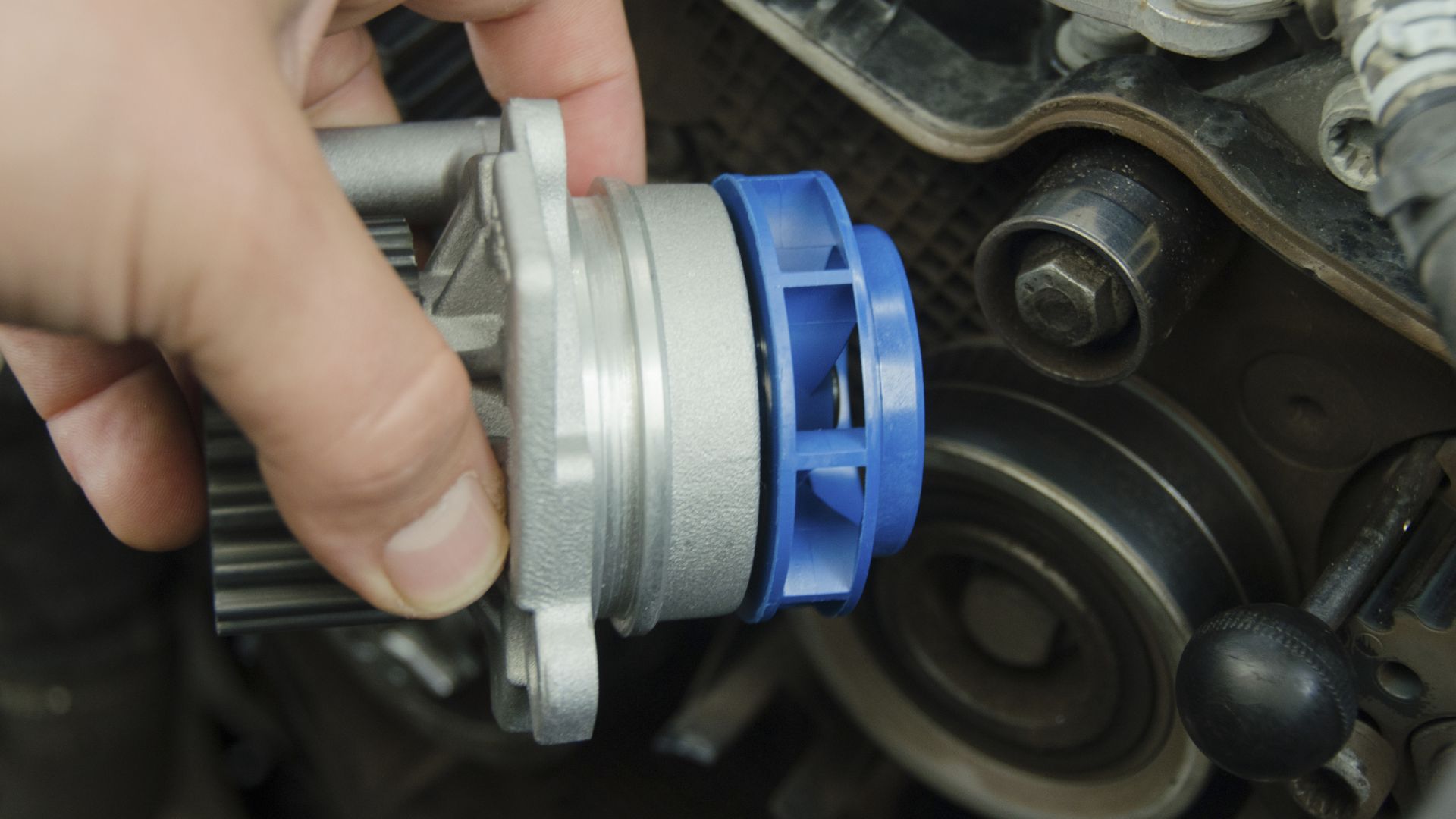
If you hear a persistent ticking or grinding noise from the front of your engine, it may be the sound of a failing water pump bearing. As you increase engine RPMs, this noise often grows louder, signaling that the impeller shaft’s bearings are worn out and creating friction.
2. Can You See Puddles of Coolant Underneath Your Vehicle?
Noticeable puddles of coolant—often green, orange, or pink—beneath your car indicate a serious issue with the water pump seal or gasket. The cooling system operates under pressure, which can force coolant through even the smallest cracks. The weep hole, designed to release leaking coolant, is a common failure point when the internal seal begins to fail.
3. Does the Temperature Gauge Consistently Read Higher Than Normal?
A consistently high reading on your engine temperature gauge suggests the water pump is failing to circulate coolant effectively. This problem can be aggravated by a partially blocked radiator or malfunctioning thermostat. An engine operates best between 195°F (90.5°C) and 220°F (104.4°C)—any deviation can signal trouble.
4. Is There Steam Coming from Under the Hood?
If you notice steam billowing from under your hood, take it as a serious warning. This often indicates severe overheating, typically due to a failing water pump, which allows coolant to boil and escape as vapor. Similar to catastrophic failures seen with malfunctioning timing belts, this can result in significant engine damage.
5. Are There Signs of Rust or Corrosion on the Water Pump Pulley?
Rust or corrosion on the water pump pulley, particularly around the shaft, can hint at internal leakage and potential bearing damage. While this sign might not seem as urgent as leaks or noises, it indicates that the component is approaching the end of its service life. Some manufacturers recommend replacing the water pump every 60,000 to 100,000 miles, especially during timing belt service, to prevent unexpected failures.
Water Pump vs. Other Cooling System Components
Understanding how the water pump functions is essential for distinguishing its failure symptoms from other cooling system components, such as the thermostat or radiator. While the thermostat manages coolant flow based on temperature and the radiator dissipates heat, the water pump is the active circulator. For instance, Continuous Variable Transmissions (CVTs) utilize pulleys and belts for variable gear ratios, contrasting with the mechanical synchronization needed in an engine’s cooling system, where the water pump plays a critical role—much like a timing belt ensures the precise movement of valves and pistons.
| Symptom | Water Pump Failure | Thermostat Failure | Radiator Leak |
|---|---|---|---|
| Coolant Leaks | Visible puddles, often from weep hole; can be significant. | Less common, may be minor if seal fails. | Visible leaks from tanks, core, or hoses. |
| Engine Temperature | Rapid and consistent overheating. | Engine may overheat or run too cool. | Overheating, especially at low speeds or idle. |
| Audible Noises | Grinding, whining, or ticking from bearings. | Generally silent. | Hissing if actively leaking. |
| Component Material | Metal impeller, bearing, seals. | Wax pellet, spring, metal housing. | Aluminum or copper core, plastic or metal tanks. |
| Typical Replacement Interval (Preventative) | 60,000 – 100,000 miles (often with timing belt). | 80,000 – 120,000 miles. | Variable, often replaced when damaged or clogged. |
Frequently Asked Questions (FAQ)
- Can a bad water pump cause a car not to start?
- While a failing water pump won’t directly prevent the engine from starting, severe overheating due to its failure can cause engine seizure, making it impossible to crank.
- What is the typical operating temperature range for a car engine in Celsius?
- Most car engines work best between 90.5°C (195°F) and 104.4°C (220°F). Any significant deviation from this range often points to a cooling system issue.
- How long can a car drive with a failing water pump?
- It’s risky to drive with a failing water pump. Depending on the severity of the issue, the engine can overheat and sustain critical damage within minutes to hours.