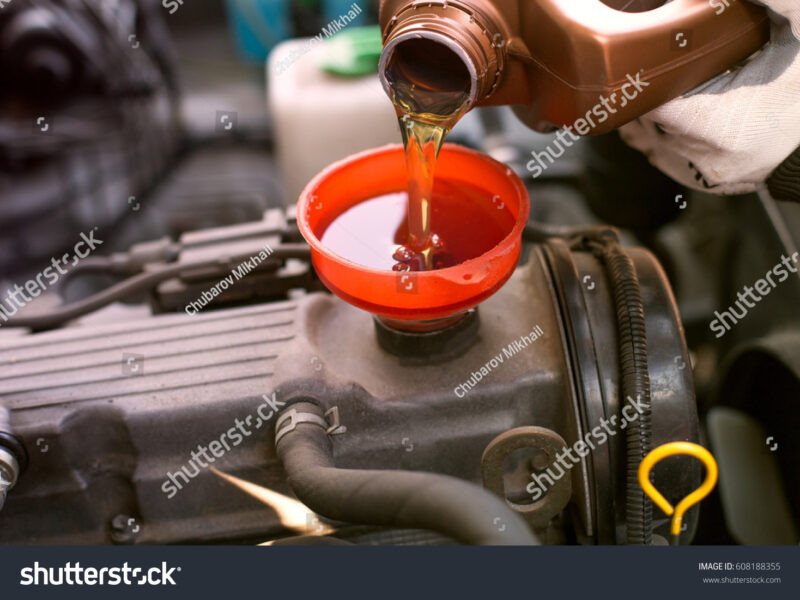
An oil filter is not just another component in the intricate machinery of an internal combustion engine; it’s the unsung hero of the lubrication system. Designed meticulously to eliminate contaminants from engine oil, its primary purpose is to facilitate the uninterrupted circulation of clean lubricant throughout the engine. This pivotal role helps prevent abrasive wear on critical components, ensuring optimal engine health. Without an efficient oil filter, harmful substances such as particulate matter and sludge would recirculate through the engine, leading to increased friction and potential irreversible damage.
What is the primary function of an engine oil filter?
The core function of an engine oil filter is clear: it traps and retains contaminants lurking in the engine oil. This vital filtration process guards against wear inflicted by abrasive particles like dirt, metal shavings, and carbon deposits. By ensuring dirty oil is filtered out, the oil filter protects the very heart of your engine, significantly prolonging its life and maintaining performance.
How does an oil filter protect engine components?
Through a continuous process of filtration, the oil filter acts as a guardian, diligently removing harmful debris from the lubricating oil. As engine oil circulates, it gathers impurities produced during combustion and from wear. The filter’s media captures these contaminants, preventing them from causing friction and damage to moving engine parts such as bearings, pistons, and camshafts. Clean motor oil is essential for minimizing friction, dissipating heat, and preventing corrosion. By effectively removing debris, the oil filter preserves the lubricant’s properties and enhances engine longevity.
What are common misconceptions about oil filter replacement intervals?
One prevalent misconception is that oil filters should only be replaced when they appear visibly dirty or every other oil change. This belief can lead to premature engine wear, as filters are designed to capture microscopic contaminants that often go unnoticed. Their effectiveness declines over time, regardless of their external appearance.
The traditional notion of a 3,000-mile oil change interval—including filter replacement—is becoming outdated. Modern vehicles, particularly those using synthetic oils and oil-life monitoring systems, can often extend maintenance intervals significantly, commonly between 7,500 and 15,000 miles, depending on the oil type and manufacturer’s guidelines.
| Oil Type | Typical Recommended Oil Change Interval (Miles) | Typical Recommended Oil Filter Change Interval |
|---|---|---|
| Conventional Oil | 3,000 – 5,000 miles | Every oil change |
| Synthetic Blend Oil | 5,000 – 7,500 miles | Every oil change |
| Full Synthetic Oil | 7,500 – 10,000+ miles (up to 15,000 miles in some cases) | Every oil change |
Is there a significant difference between OEM and aftermarket oil filters?
Indeed, significant differences exist between Original Equipment Manufacturer (OEM) oil filters and aftermarket oil filters, particularly in terms of material quality, construction, and filtration performance. OEM filters are specifically engineered to meet the exact specifications and performance expectations of a vehicle’s engine, ensuring optimal fit and maximum filtration efficiency. In contrast, aftermarket filters are produced by third-party companies and can vary widely in quality.
While some premium aftermarket filters may equal or surpass OEM specifications by utilizing advanced synthetic materials, many budget options may compromise quality, leading to subpar filtration and potential engine protection issues. Moreover, using an OEM filter can be critical for maintaining manufacturer warranty compliance, as some manufacturers explicitly recommend their products.
Do premium oil filters offer substantial benefits over standard options?
Absolutely! Premium oil filters frequently provide noteworthy advantages over standard options, notably in enhanced filtration efficiency, increased contaminant capacity, and superior construction materials. These features significantly contribute to prolonged engine life and optimized performance.
- Increased Filtration Efficiency: Premium filters typically deploy advanced synthetic or blended filter media, capturing a higher percentage of smaller particulates (e.g., up to 99% efficiency for particles as small as 25 microns) compared to the cellulose media used in many standard filters.
- Higher Contaminant Capacity: The design and materials of premium filters allow for greater contaminant retention, minimizing the risk of premature clogging and ensuring consistent oil flow.
- Durable Construction: Premium filters are usually built with more robust components, featuring silicone anti-drainback valves and stronger casings to withstand higher pressures and extreme temperatures, thus preventing filter failure and ensuring oil availability during startup.
- Optimized Oil Flow: Despite finer filtration, premium filters are engineered to maintain excellent oil flow rates, critical for adequate lubrication across all engine parts without unnecessary activation of the bypass valve.
Investing in a high-quality oil filter becomes particularly paramount when utilizing synthetic oils with extended drain intervals, supporting both the oil’s longevity and protective qualities. For more insights into superior options, refer to Optimizing Engine Health: The Benefits of High-Performance Oil Filters.
How does oil filter bypass valve operation impact engine lubrication?
The oil filter bypass valve, or pressure relief valve, plays a critical role in safeguarding against engine oil starvation. It activates when the pressure differential across the oil filter media surpasses a predetermined threshold—typically between 8 and 15 psi—allowing unfiltered oil to flow directly to the engine. This mechanism serves to ensure that the engine remains lubricated even if the primary filter media faces a severe clog or if the oil’s viscosity is too high, such as in cold start conditions.
While the activation of the bypass valve means oil circulates without filtration—a temporary solution to avert catastrophic engine damage—its malfunction—opening too early or too late—can result in either contaminated oil being circulated prematurely or restricted flow, leading to poor lubrication and increased wear. For an in-depth understanding of this vital component, refer to The Oil Filter Bypass Valve: Safeguarding Your Engine’s Lubrication System.
What role does micron rating play in oil filter efficiency and engine longevity?
The micron rating of an oil filter is essential in determining its effectiveness in capturing the smallest particles, measured in micrometers (µm). This rating is integral to understanding a filter’s performance in removing contaminants that contribute to engine wear. A lower micron rating indicates a finer filter media capable of trapping smaller particles. For reference, a human hair measures approximately 50 microns in diameter.
Filters are typically rated with either nominal or absolute micron ratings, accompanied by an efficiency percentage that signifies the amount of particles of a given size the filter can remove. For instance, a filter rated “10 µm at 90% efficiency” will trap 90% of particles that are 10 microns or larger. Choosing a filter with an appropriate micron rating is crucial for engine longevity since particles larger than bearing clearances can incur significant wear. However, excessively fine filtration may restrict oil flow or trigger the bypass valve early, emphasizing the need for a balanced filter design that maintains a harmony between efficiency, flow rate, and capacity. For further exploration, check out Demystifying Oil Filter Micron Ratings: Precision Filtration for Engine Longevity.
What are the signs of a failing oil filter?
Indicators of a failing or clogged oil filter often reveal themselves through various engine performance issues. Signs may include reduced power or sluggish acceleration, decreased fuel efficiency, and unusual noises like knocking or ticking due to inadequate lubrication. Additionally, a clogged filter can lead to lowered oil pressure, often signified by the illumination of the oil pressure warning light on the dashboard. Overheating might also occur, as oil plays a critical role in heat dissipation, and restricted flow impairs this function. Lastly, dark, dirty exhaust fumes paired with oil that appears gritty or thicker than usual can signal that the filter is no longer fulfilling its function of contaminant removal.
Can a dirty oil filter cause engine damage?
Indeed, a dirty or clogged oil filter poses a serious threat to engine integrity. When the filter becomes saturated with debris, it restricts oil flow, resulting in inadequate lubrication and heightened friction among essential engine parts. This scenario can accelerate wear on critical components like bearings, pistons, and camshafts. If pressure builds sufficiently, the bypass valve may open, permitting unfiltered oil to circulate—essentially introducing abrasive particles directly into the lubrication system—further exacerbating wear. Prolonged operation with a clogged filter risks overheating, diminished performance, and ultimately, complete engine failure.
How does driving style affect oil filter lifespan?
Your driving style considerably influences the lifespan of both the oil filter and the engine oil. Short trips, especially when the engine doesn’t reach optimal operating temperature, can cause moisture and fuel contaminants to accumulate, leading to accelerated degradation and increased filter burden. Stop-and-go city traffic and heavy towing also impose additional stress on the oil and filter due to constant thermal cycling, higher RPMs, and increased production of combustion byproducts. In contrast, steady highway driving in mild conditions facilitates more efficient engine operation, which can extend the effective lifespan of both oil and filter. Vehicle manufacturers often define “severe service” driving conditions—such as extreme temperatures or excessive idling—which may necessitate more frequent oil and filter changes compared to standard recommendations.