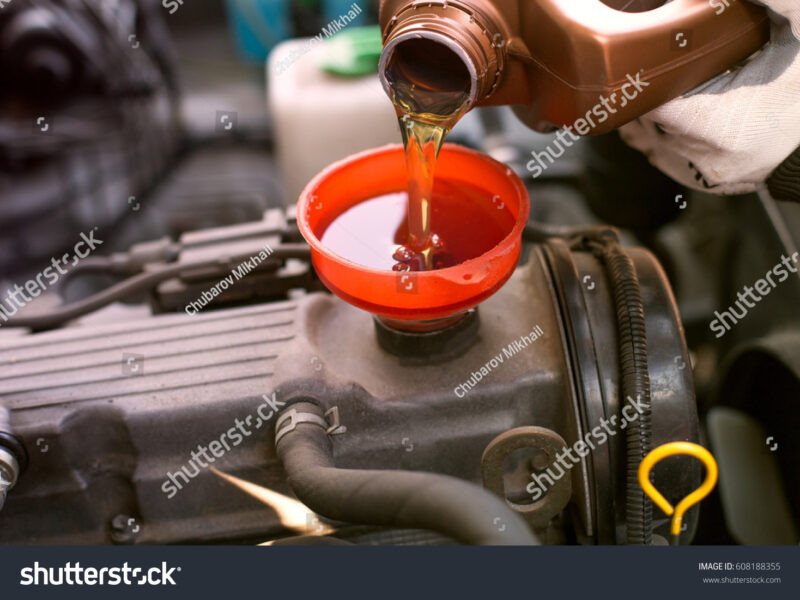
High-performance oil filters are not just components; they are vital guardians of your engine’s longevity. Designed to efficiently remove microscopic contaminants from engine oil, these advanced filters outperform standard versions by maintaining superior flow characteristics. Their primary role is to uphold oil cleanliness, dramatically reducing wear on critical engine components and preserving overall integrity, whether the vehicle is idling in traffic or speeding on a racetrack.
What Distinguishes High-Performance Oil Filters from Standard Filters?
The distinguishing factor between high-performance oil filters and standard ones lies in their advanced filtration efficiency. Employing cutting-edge filtration media and robust materials, high-performance filters excel in capturing smaller particulate matter. They are engineered to withstand higher fluid pressures and temperatures found in modern engines, whereas standard filters mainly utilize cellulose-based media, adequate for conventional driving conditions.
How Do High-Performance Oil Filters Enhance Engine Lubrication?
High-performance oil filters play a crucial role in enhancing lubrication by effectively eliminating tiny contaminants while retaining optimal oil flow. This ensures clean oil reaches vital engine components, such as bearings and camshafts. The result? A significant reduction in abrasive wear and preservation of the oil’s viscosity and protective qualities. Featuring a more efficient bypass valve, these filters guarantee proper oil circulation even in cold starts or when approaching contaminant capacity.
What Are the Key Advantages of Upgrading to a High-Performance Oil Filter?
Opting for a high-performance oil filter translates to numerous benefits: extended engine life, improved oil cleanliness, and enhanced performance—all while potentially lengthening oil change intervals. These advantages stem from the filter’s ability to deliver cleaner oil, reducing friction and heat. The upgrade aligns perfectly with high-performance driving techniques, much like Brake Fade Prevention: Strategies for Steep Descents and High-Performance Driving that focus on maintaining maximum efficiency.
- Extended Engine Life: Superior filtration that minimizes abrasive wear on vital components, thereby increasing engine longevity.
- Superior Contaminant Removal: Advanced synthetic media captures a higher percentage of harmful micron-sized particles, including soot and metal fragments.
- Optimized Oil Flow: High-performance filters maintain lower pressure drops, ensuring consistent oil delivery even under high RPMs or extreme conditions.
- Compatibility with Synthetic Oils: Specifically designed to complement the lifespan and stability of synthetic engine oils, making them an ideal match.
- Enhanced Durability: Constructed with robust materials that resist deformation and leaks, operating efficiently under challenging conditions.
| Feature | High-Performance Oil Filter | Standard Oil Filter |
|---|---|---|
| Filtration Media | Synthetic, Synthetic-Blend, or Micro-Glass Fibers | Cellulose (Paper) |
| Micron Rating | Typically 5-20 microns (more efficient) | Typically 20-40 microns |
| Flow Rate (Pressure Drop) | Lower pressure drop, optimized flow | Higher pressure drop, adequate flow |
| Construction Materials | Heavy-duty steel casing, silicone anti-drain back valve, robust internal supports | Standard steel casing, nitrile anti-drain back valve, basic internal supports |
| Lifespan/Capacity | Extended capacity, suitable for longer drain intervals | Standard capacity, designed for conventional drain intervals |
How Does Filtration Media Technology Impact Oil Filter Performance?
The technology behind filtration media plays a pivotal role in oil filter efficiency. Synthetic materials, encompassing polyester and glass fibers, offer a broader surface area and a consistent pore size, outpacing traditional cellulose. This means superior removal of fine contaminants without compromising oil flow—an essential consideration for today’s engines. Just as Copper vs. Steel Brake Lines: Choosing the Best Material for Durability and Performance emphasizes the importance of material choice, so too does filtration media affect longevity.
When Should You Consider Installing a High-Performance Oil Filter?
Consider investing in a high-performance oil filter if your vehicle frequently operates under challenging conditions, employs synthetic oils, or if you’re aiming to extend both lifespan and performance. Scenarios include high-performance cars, heavy-duty trucks, and vehicles utilized for towing or in dusty environments. For those extending oil change intervals beyond manufacturer recommendations, a high-performance filter becomes even more critical for maintaining filtration efficiency. These filters excel in removing smaller particles—roughly 10-20 microns—compared to standard economy filters operating at around 40 microns.
If you’re curious about change intervals, typically, it’s best to follow the oil and vehicle manufacturer’s guidelines for synthetic oils, as they often allow for extended durations. However, always check the specifications provided by the filter manufacturer. Are high-performance filters essential for every vehicle? While they aren’t necessary for all, the significant benefits they offer in engine protection make them worthwhile, especially for modern engines with tighter tolerances and those using synthetic oils. Can these filters improve fuel economy? Although the direct impact on mileage is minimal, they help maintain optimal oil cleanliness and flow, indirectly supporting engine efficiency, which can contribute to better fuel economy over time.