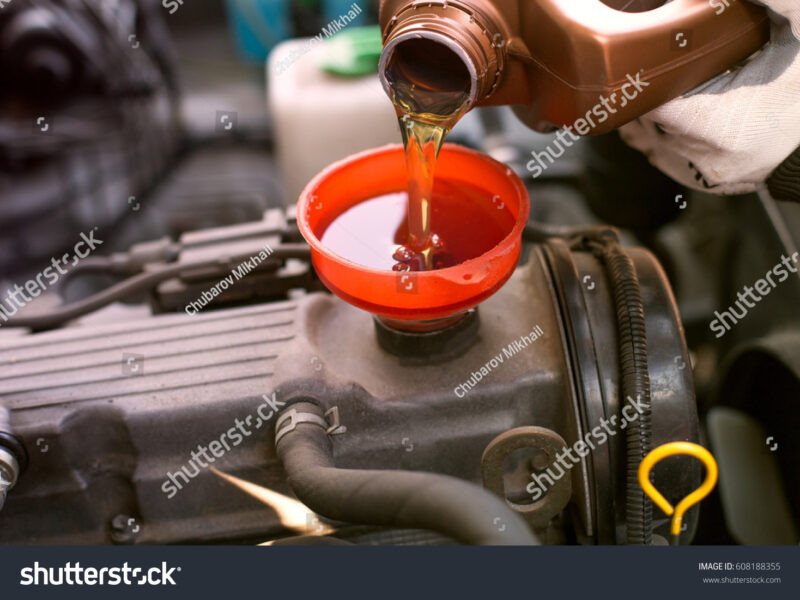
In the world of heavy-duty diesel trucks, selecting the best oil filter isn’t just a choice—it’s a necessity for engine longevity and operational efficiency. An oil filter acts as the sentinel of the lubrication system, diligently removing harmful contaminants from the engine oil. This ensures that clean oil circulates, effectively safeguarding the engine’s moving parts and preventing costly damage.
What is the primary function of an oil filter in heavy-duty diesel trucks?
The primary duty of an oil filter in heavy-duty diesel trucks is to eliminate damaging contaminants from the engine oil. These impurities, which include dirt, metallic particles, and soot, arise from incomplete diesel fuel combustion. If left unchecked, excessive soot can thicken the lube oil, hinder oil flow, and lead to increased wear on critical engine components. By maintaining oil cleanliness, oil filters protect precision parts such as bearings, camshafts, and turbochargers from abrasive damage.
Why do diesel engines require specialized heavy-duty oil filtration?
Diesel engines demand specialized heavy-duty oil filtration due to their specific operating conditions and the byproducts of diesel combustion. These engines work under higher combustion pressures and generate more soot than gasoline engines. Soot particles tend to clump together, leading to oil thickening that hampers lubrication and raises operating temperatures. Given that heavy-duty diesel trucks often handle heavy workloads and long drain intervals, the filtration system takes on the critical role of preserving oil purity and preventing early engine wear.
What are the critical factors for choosing the best oil filter for diesel trucks?
When it comes to choosing the best oil filter for diesel trucks, several key factors can significantly influence engine protection and filter performance.
How does filtration efficiency (micron rating) impact diesel engine protection?
The filtration efficiency of an oil filter, indicated by its micron rating, is crucial for capturing harmful particles. For heavy-duty diesel engines, it’s essential to control particulate contamination measuring 20 microns and smaller. Full-flow filters typically trap 98% or more of contaminants down to 20 microns, while bypass filters are capable of capturing even finer particles, some as small as 2 microns. A higher efficiency rating (lower micron number) signifies better particle capture, but it’s essential to balance this with sufficient oil flow to avoid starvation, especially during cold starts or when the filter is under load. For more insights on this balance, explore Demystifying Oil Filter Micron Ratings: Precision Filtration for Engine Longevity.
Which filter media types are optimal for heavy-duty diesel applications?
The filter media selection is pivotal to an oil filter’s success in heavy-duty diesel applications. The three main types are cellulose, synthetic, and blended media.
- Cellulose Media: Made from natural pulp fibers, it serves as a cost-effective option for filtering larger contaminants. However, its lower dirt-holding capacity and reduced resistance to aging can lead to bypass events under heavy loads.
- Synthetic Media: Constructed from synthetic fibers like polypropylene or fiberglass, this media offers enhanced flow, superior particle retention, and extended dirt-holding capacity. Filters using synthetic media are often intended for longer service intervals and can provide finer filtration without excessive flow restriction.
- Blended Media: This combines cellulose and synthetic fibers to create a balance between cost-effectiveness and improved performance regarding flow and holding capacity compared to pure cellulose.
What role does filter capacity and construction play in heavy-duty performance?
The capacity of a filter, which indicates the volume of contaminants it can hold before needing replacement, is vital for heavy-duty diesel trucks. These trucks face higher contaminant generation and longer service intervals, necessitating higher filter capacity. Quality construction materials, including robust canister housing, durable seals, and effective anti-drain back valves, are essential for preventing leaks and ensuring structural integrity under high pressures and temperatures. A well-designed bypass valve within full-flow filters allows oil to bypass the media if it becomes restricted, preventing oil starvation. Learn more about this crucial component in The Oil Filter Bypass Valve: Safeguarding Your Engine’s Lubrication System.
Comparative Analysis: OEM vs. Aftermarket Heavy-Duty Oil Filters
Choosing the right oil filter for heavy-duty diesel applications often comes down to the decision between Original Equipment Manufacturer (OEM) and aftermarket filters. OEM filters are crafted by the engine manufacturer to meet stringent factory standards, ensuring optimal fit, filtration efficiency, and durability. These filters undergo rigorous testing, including SAE certification and thermal cycling, to guarantee reliable performance under the demanding conditions of high-pressure and high-temperature environments. Furthermore, using OEM filters can help maintain warranty validity.
Aftermarket filters, produced by third-party manufacturers, can vary in quality. While some high-quality options exist, many are geared towards cost-saving and may not adhere to the same rigorous specifications as OEM filters regarding micron rating and flow resistance. Popular aftermarket brands like Donaldson, Baldwin, Wix, and Amsoil provide robust alternatives, especially designed for heavy-duty applications. Thorough research into brands and specifications is vital when considering aftermarket options.
| Filter Media Type | Key Attributes | Typical Micron Rating (Efficiency) | Flow Characteristics | Contaminant Capacity | Cost Efficiency |
|---|---|---|---|---|---|
| Cellulose | Natural pulp fibers, traditional design | ~20-30 microns (96-99% at specified micron) | Good flow but may restrict more when loaded | Moderate | Most cost-effective |
| Synthetic | Manufactured fibers (e.g., polypropylene, fiberglass) | ~5-20 microns (99% at 20 microns or finer) | Excellent flow with lower restriction | High (often 2-3 times that of cellulose) | Higher upfront cost, but can lead to extended service intervals |
| Blended (Synthetic/Cellulose) | Combination of natural and synthetic fibers | ~10-25 microns (improved over pure cellulose) | Enhanced flow and holding capacity compared to pure cellulose | Good, superior to cellulose | Mid-range |
How does regular oil filter replacement contribute to diesel engine longevity?
Consistent oil filter replacement plays a crucial role in extending the lifespan of diesel engines by effectively removing abrasive contaminants from the lubrication system. A clogged or dirty oil filter limits oil flow, diminishes the oil’s effectiveness, and allows harmful particles to circulate, resulting in increased internal wear. Adhering to the manufacturer’s recommended service intervals for oil and filter changes is essential for maintaining optimal engine health. For tailored recommendations on aligning filtration to maintenance, check out Optimizing Engine Longevity: How to Choose the Right Oil Filter for Your Vehicle’s Specific Needs.
Frequently Asked Questions about Heavy-Duty Diesel Oil Filters
What is the difference between full-flow and bypass filtration in diesel trucks?
Full-flow filtration processes 100% of the engine oil before it reaches the lubricated components, effectively removing larger contaminants and ensuring uninterrupted oil delivery. In contrast, bypass filtration diverts a small fraction (typically 5-10%) of the oil through a separate filter designed to capture finer contaminants, often as small as 2 microns. This method works alongside the full-flow filter, enhancing long-term oil cleanliness.
How often should a heavy-duty diesel oil filter be changed?
The schedule for changing a heavy-duty diesel oil filter depends on the manufacturer’s recommendations for the specific vehicle, prevailing driving conditions, and the type of oil utilized. Generally, it is advisable to change both the oil and filter every 3,000 to 10,000 miles. Newer vehicles might extend this interval to 5,000 to 7,500 miles, or even 25,000 to 50,000 miles for commercial trucks using premium synthetic oils under optimal conditions. Severe conditions such as towing, working in dusty environments, or frequent short trips may require more frequent changes.
Can a “better” oil filter extend oil change intervals for a diesel truck?
Indeed, a higher-quality oil filter—particularly one featuring synthetic media and increased dirt-holding capacity—can help sustain oil cleanliness over longer periods. This can potentially allow for extended oil change intervals when paired with appropriate oil analysis and the use of quality synthetic engine oils. However, any decision to extend oil change intervals should always align with the vehicle manufacturer’s guidelines and rely on consistent oil analysis to monitor oil condition and engine wear.